The oil market has officially split into two parallel universes, and frankly, it's a mess. On one side, you've got the screens in New York and London showing Brent crude futures bobbing around $102. On the other, you've got the physical reality of the Persian Gulf where actual barrels of oil are trading at a massive $40 premium. If you're looking at the ticker and thinking things are stabilizing, you’re likely falling for a head fake that Mohammad Bagher Ghalibaf, the Speaker of Iran’s parliament, is calling out in no uncertain terms.
Ghalibaf recently took to social media to blast what he calls "fake news" designed to manipulate these very markets. It's a classic fog of war scenario. Over the weekend, the world watched oil prices dive more than 10% after the U.S. hinted at "productive" backchannel talks. But then Ghalibaf dropped the hammer, denying any such negotiations ever happened. He’s flagging a dangerous gap between the paper trade and the physical supply, and honestly, he’s not wrong to be skeptical. Read more on a connected issue: this related article.
The Paper Reality vs The Physical Nightmare
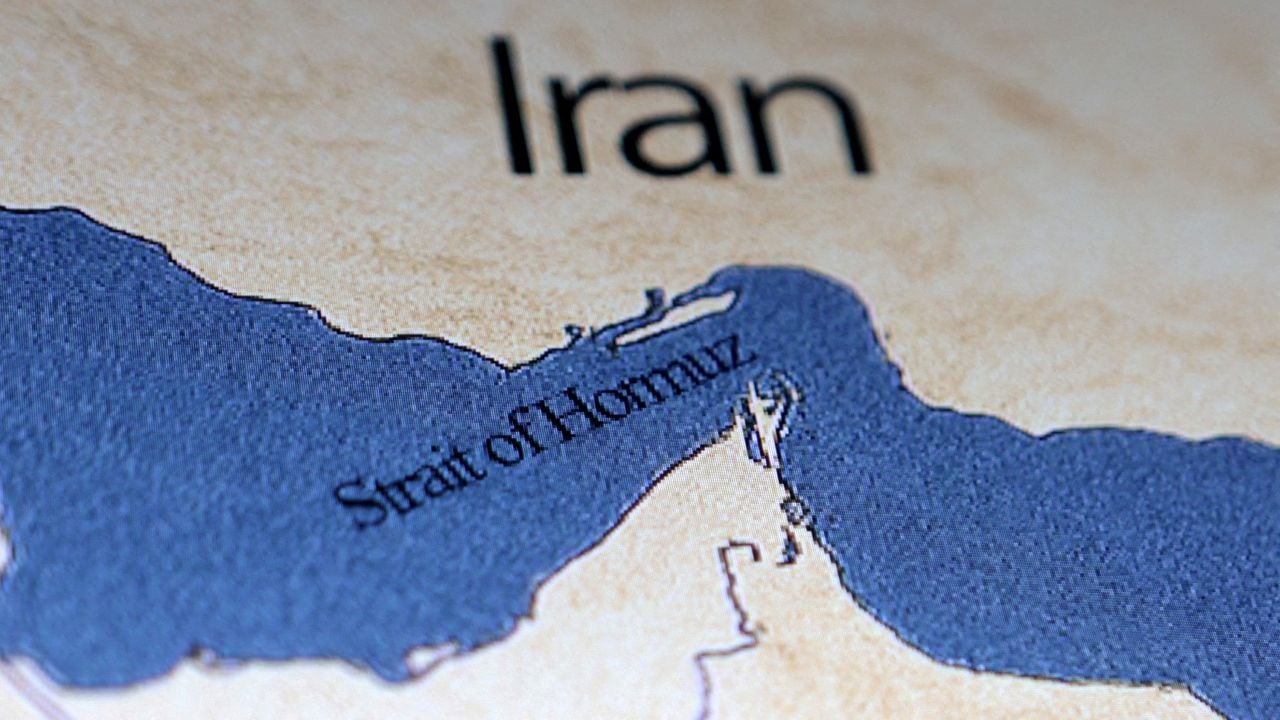
The biggest mistake you can make right now is trusting the "war premium" has been priced out. It hasn't. The futures market is currently behaving as if the closure of the Strait of Hormuz is a temporary glitch that’ll be fixed by a few strategic reserve releases. That’s why we’re seeing "backwardation"—a fancy term for when the stuff you can get today is way more expensive than what people think it'll cost in six months.
But look at the physical numbers. In the Asian spot markets, Dubai-linked crude has exploded toward $140 per barrel. Refiners aren't buying "expectations"; they're buying fuel to keep the lights on, and they're paying a king's ransom for it. When the Speaker of Iran’s parliament points to this gap, he's highlighting that the financial markets are essentially betting on a peace that the boots on the ground haven't even discussed yet. Additional journalism by Forbes highlights comparable perspectives on this issue.
- Futures Prices: Brent sitting near $102, WTI around $91.
- Physical Reality: Spot premiums have hit record highs as ships avoid the Strait.
- The Disconnect: Financial traders are buying the "talks" narrative; physical buyers are seeing zero new supply.
Why Ghalibaf is Calling Foul
It’s easy to dismiss Ghalibaf as a politician playing to his base, but his critique of the market rally hits on a structural truth. The U.S. administration has every incentive to talk the price down. High energy costs are a political landmine. By floating rumors of "agreement on almost all points," the U.S. successfully sucked the air out of the rally for a few sessions.
Ghalibaf’s response was blunt. He basically said the U.S. is using psychological operations to "escape the quagmire." By denying the talks, he effectively re-inserted the risk into the price. This isn't just about diplomacy; it's about the bottom line. Iran knows that as long as the market remains skeptical of a real supply fix, the pressure stays on the West.
We’re seeing a historic supply shock. The IEA recently estimated that 11 million barrels per day have been knocked out of the global system. That’s bigger than both 1970s oil crises combined. When 20% of the world's oil is stuck behind a chokepoint, a 10% drop in price based on a "rumor" of a meeting is, quite frankly, insane.
The $2 Million Passage Fee Rumor
Adding to the chaos are reports—which Tehran officially denies but members of their parliament have floated—that Iran might start charging ships a $2 million "transit fee" to pass through the Strait. Whether it's official policy or just a threat, it shows the mindset in Tehran. They view the waterway as a sovereign asset they can monetize or block at will.
If you're an investor, you have to ask yourself: does the current $100 Brent price reflect a world where it costs $2 million just to get a tanker through a 21-mile wide neck of water? Probably not.
How to Read the Next Volatility Wave
Don't get lulled into a sense of security by the five-day pause in strikes or the headlines about "backchannel efforts." The underlying fundamentals are still incredibly broken. If the Strait stays effectively shut through April, analysts at Macquarie are already warning that Brent will blow past $150.
Most people are overthinking the diplomacy and underthinking the logistics. It takes a month for fertilizer or oil shipments to reroute. Even if a ceasefire was signed tomorrow, the physical backlog is a nightmare that'll take months to clear.
- Watch the Spot Premium: If the gap between futures and physical prices continues to widen, the futures price will eventually have to catch up.
- Ignore the "Productive Talks" Headlines: Unless you see an official joint statement from both Tehran and Washington, assume it's market-moving noise.
- Monitor the Strategic Reserves: Countries like Japan and the U.S. are burning through their stockpiles. This provides a temporary floor, but it doesn't solve the long-term production deficit.
The gap Ghalibaf is flagging isn't just a quirk of the 2026 market—it's a warning. The financial world is trying to price in a "return to normal" that the physical world isn't ready to deliver. If you're betting on a steady decline in oil prices based on the current news cycle, you’re essentially betting against the reality of a closed Strait.
Stop looking at the daily fluctuations and start looking at the inventory levels. When the paper market finally realizes that those 11 million missing barrels aren't coming back via a Truth Social post or an unconfirmed telegram from Turkey, the correction back to the upside is going to be violent. Prepare your hedges now, because the physical market never lies for long.