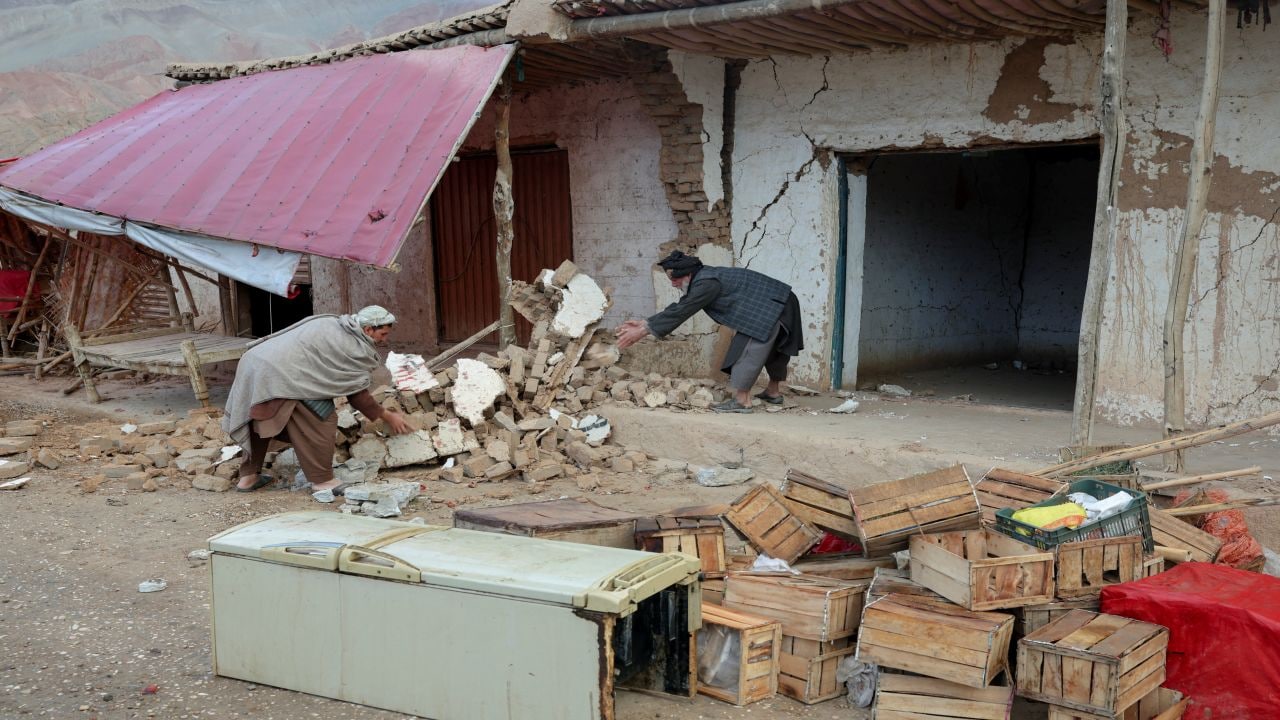
Waking up to the floor swaying isn't exactly how most people in Islamabad planned to start their Saturday. On February 21, 2026, at approximately 9:30 am, a 4.4 magnitude earthquake rattled Northern Pakistan, sending a sharp reminder that the ground beneath our feet is far from stable. It wasn't a "big one," but it was enough to make you look at the ceiling fan with a bit of suspicion.
The National Seismic Monitoring Centre (NSMC) in Islamabad tracked the epicentre to a spot about 11 kilometres northeast of Burhan, near Attock. It was shallow—only 14 kilometres deep—which is why people felt it so clearly in the capital and surrounding areas like Rawalpindi, Swabi, and Attock. When a quake is that close to the surface, the energy doesn't have much time to dissipate before it hits the foundations of your home.
The Double Whammy Effect
What made this specific tremor feel more unsettling was the timing. It hit less than 24 hours after a much beefier 5.6 magnitude quake struck the region on Friday evening. That Friday tremor, which coincided with Iftar for many during Ramadan, originated much deeper (73 kilometres) in the Hindu Kush region of Afghanistan.
I've seen this pattern before. You get a deep, rolling shake from the mountains in the northwest, and then a shallow, sharper jolt closer to home. It’s a classic case of the earth adjusting its weight. While the 4.4 magnitude quake didn't cause immediate reports of casualties or structural damage, it certainly kept the rescue teams on high alert. When you're dealing with back-to-back events, the cumulative stress on older, unreinforced buildings is what usually keeps engineers up at night.
Why Northern Pakistan is a Seismic Hotspot
It’s not bad luck; it’s geography. We’re basically living on a tectonic battlefield. Pakistan sits right where the Indian plate is shoving its way into the Eurasian plate. Think of it like a slow-motion car crash that's been happening for millions of years. This collision is what built the Himalayas and the Hindu Kush, and it’s why northern Pakistan has five distinct seismic zones.
The region near Attock and the "twin cities" of Islamabad and Rawalpindi is particularly tricky because of the Main Boundary Thrust (MBT). It’s a massive fault system that runs through the foothills. While we often focus on the big 7.0+ disasters like the 2005 tragedy, these moderate 4.4 and 5.6 quakes are the earth's way of "venting" pressure.
Experts from the Pakistan Meteorological Department (PMD) often point out that these moderate shakes are actually common. In just the first two months of 2026, we’ve already seen significant activity in Gilgit-Baltistan and Balochistan.
What You Should Actually Do
Most people's first instinct is to run. Honestly, that's often the worst move if you're in a high-rise or a crowded space. Unless you’re in a mud-brick house that looks like it’s about to give up, "Drop, Cover, and Hold On" remains the gold standard for a reason.
If you live in the northern belt, you should have a basic "go-bag" ready. I'm not talking about full-blown doomsday prepping, but having water, a flashlight, and a first-aid kit near the door saves lives when things get real.
The authorities are still assessing remote areas near the epicentre in Attock for any delayed reports of cracks in infrastructure. For now, the best thing you can do is stay informed through official NSMC updates and maybe move that heavy vase off the shelf above your bed.
Don't wait for a bigger shake to check your home's structural health. If you notice new, diagonal cracks in your walls following these tremors, it's time to call in a professional to look at the load-bearing beams.


