The silence in a command center is never truly silent. It is a hum of cooling fans, the rhythmic clicking of keyboards, and the heavy, pressurized breathing of people who know they are about to rewrite the map of the world. At 2:00 AM, the air feels different. It carries the weight of a choice that cannot be unmade.
This wasn't just another exchange of rhetoric or a skirmish in the shadows. When the order came down for the joint U.S. and Israeli strike on Iranian soil, it wasn't a "surgical operation" to the people on the ground. It was the moment the floor fell out from under the global order. We often talk about geopolitics as if it were a game of chess played with plastic pieces, but when the first munitions hit their targets in Isfahan and Tehran, the pieces were made of flesh, blood, and the fragile stability of a dozen different economies.
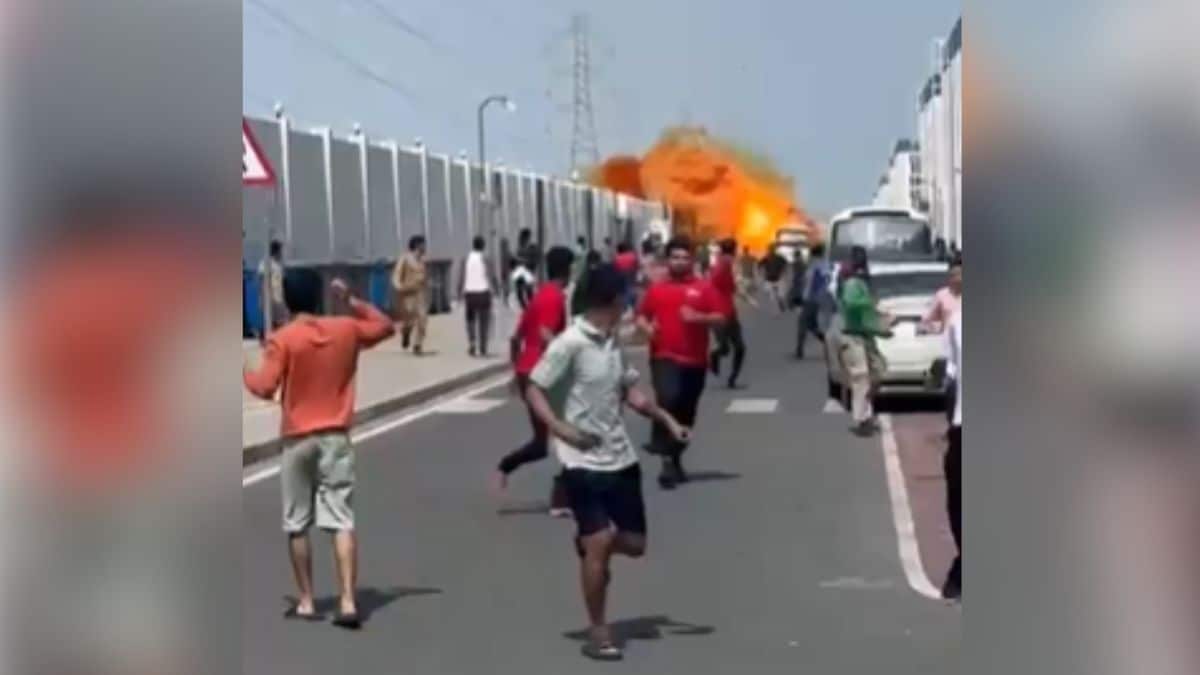
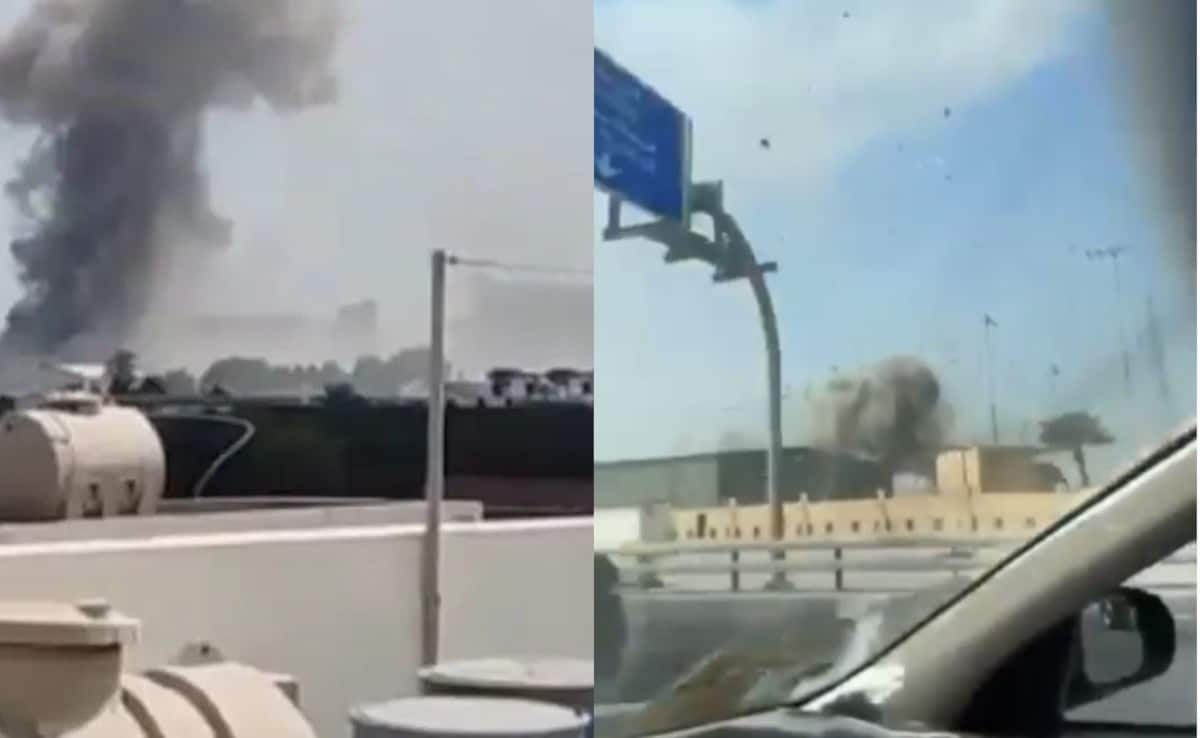
The explosions were visible from space, but on the streets of Tehran, they were felt as a physical punch to the solar plexus.
The Arithmetic of Escalation
Military strategists love numbers. They speak in terms of sortie rates, interceptor percentages, and damage assessments. But the arithmetic that matters most is the human one. For every missile that finds its mark, a thousand ripples move outward.
Consider a hypothetical family in a suburb of Tehran. Let's call them the Rahmans. They aren't politicians. They don't spend their days debating nuclear enrichment levels. They worry about the price of eggs and whether their eldest son will pass his exams. When the sky turns a bruised, artificial orange at three in the morning, the "strategic objectives" of a foreign superpower don't matter. What matters is the sudden, terrifying realization that the walls of their home—the most secure place they know—are suddenly as thin as paper.
The strike was massive. It targeted drone manufacturing hubs, missile silos, and command infrastructure. The logic was clear: take away the teeth before the beast can bite. But every action in this part of the world triggers an equal and opposite reaction that is rarely confined to a military base.
The Warning from the White House
While the smoke was still rising, the political fallout began to settle like ash. Donald Trump’s warning about American casualties wasn't just a campaign soundbite; it was a recognition of a grim historical pattern. When you strike the heart of a regional power, they don't just sit in the rubble and weep. They look for where you are vulnerable.
Tehran’s response was swift. It wasn't a mirror image of the U.S. strike—they don't have the same toys. Instead, it was a multi-pronged asymmetric hit. Ballistic missiles rained down on positions where American service members were stationed. This is the part of the story that doesn't make it into the clean, digitized maps on the evening news. It's the sound of a siren in a desert barracks. It's the frantic scramble for a bunker, the smell of recycled air, and the agonizing wait to see if the roof holds.
We focus on the hardware—the $F-35s$ and the $S-300$ surface-to-air systems—but the real story is the kid from Ohio or Georgia sitting in a concrete box in the Middle East, wondering if a decision made thousands of miles away just ended his life.
The Invisible Stakes of the Strait
If you want to understand why this matters to someone who couldn't find Iran on a map, look at your gas gauge. Or your grocery receipt. Or the price of the laptop you’re planning to buy next month.
The Strait of Hormuz is a narrow choke point. It is the jugular vein of the global energy market. When Iran hits back, they don't just aim for soldiers; they aim for the carotid artery of the West. The moment a tanker is hit or a sea lane is mined, the "conflict" stops being something you watch on a screen. It becomes something you pay for at the pump. It becomes a supply chain collapse that ripples through every port from Singapore to Long Beach.
Economics is often treated as a dry science of graphs, but in a total war scenario, it is a weapon. The "massive attack" described in news tickers is actually a match dropped into a warehouse full of dry tinder.
The Ghost of 1979
There is a weight to history that we can't shake. To the planners in Washington and Jerusalem, this was about neutralizing a threat. To the leadership in Tehran, it was a confirmation of a forty-year narrative of resistance. This isn't just a war of munitions; it’s a war of memories.
The Iranian psyche is built on a foundation of perceived grievance and a long memory of foreign intervention. When American bombs fall, it doesn't always lead to the "regime collapse" that hawks predict. Often, it does the opposite. It welds a fractured population together. Even those who hate the government find themselves standing in the street, looking at the sky, and feeling a burning, righteous anger that their soil has been violated.
The tragedy of the Middle East is that everyone is right in their own story. Israel feels it is fighting for its very existence against an existential threat. The U.S. feels it is maintaining a global order that prevents even greater chaos. Iran feels it is the victim of an imperialist crusade.
When these stories collide, the result isn't a resolution. It's a crater.
The Human Cost of "Winning"
What does it look like to win a war like this?
Is it a 90% destruction of the enemy's nuclear capacity? Is it the assassination of key generals? If that is the definition, then the mission might be called a success. But look closer. Look at the hospitals in Tehran dealing with the "collateral" of a missed strike. Look at the families of the American soldiers who won’t be coming home because of a retaliatory drone strike. Look at the sudden, sharp spike in global poverty as energy prices kick the legs out from under developing nations.
We have become so accustomed to "precision" warfare that we’ve forgotten that war is, by its nature, precise only in its ability to cause grief. There is no such thing as a clean break in the 21st century. We are all too interconnected. A fire in the Middle East smokes out the rest of the world.
The news will tell you about the tonnage of explosives dropped. They will show you the infrared footage of buildings collapsing. They will quote politicians talking about "strength" and "resolve."
But they won't show you the silence of the morning after. The way the birds don't sing. The way the survivors look at the sky, no longer seeing a source of light, but a source of fire. The real casualty of this massive attack isn't just a missile silo or a factory. It is the belief that we could ever go back to the way things were the day before.
The sky in Tehran eventually cleared, but the color was different. It was a darker shade of uncertain. And as the world waited for the next move, the only thing that was clear was that the price of this night would be paid for generations, in ways we are only beginning to calculate.
A single shoe, lost in the scramble for a bomb shelter, sits alone on a dusty sidewalk in a city that is no longer sure it has a future.