The coffee is always cold by the time the sirens start.
In a dimly lit apartment in Kyiv, a young woman named Olena—this is a composite of the many journalists currently holding the line—stares at a glowing cursor. The cursor blinks. It is patient. It doesn't care that the power grid is flickering or that a Shahed drone is humming somewhere over the Dnieper River. Olena’s job isn't just to report the news. Her job is to ensure that when the world wakes up in London, New York, or Tokyo, they cannot look away.
This is the daily reality of the Kyiv Independent. It is an organization born not from a corporate boardroom, but from a rebellion against censorship and a desperate need for a voice that couldn't be bought, bullied, or silenced.
The Birth of a Defiant Lens
To understand why this specific outlet matters, you have to look back at November 2021. Imagine a newsroom where the owner tells the staff to stop digging into corruption. In most places, people grumble, they worry about their mortgages, and they comply. But the editorial team at the Kyiv Post didn't. They were fired for defending their independence. Within days, they launched their own outlet.
They had no funding. They had no office. They had a shared Google Doc and a collective sense of fury.
Then, three months later, the first missiles hit.
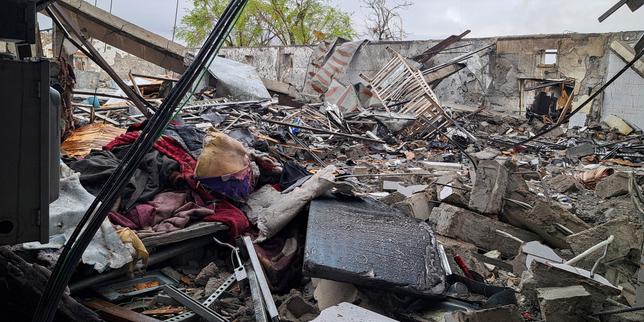
Suddenly, the Kyiv Independent wasn't just a startup fighting for local press freedom. It became the primary English-language window into a continent-shaping catastrophe. While international correspondents were rushing into the country with flak jackets and expensive satellite phones, this team was already there. They were reporting on their own neighborhoods. They were interviewing their own neighbors in bomb shelters.
Beyond the Body Count
Standard war reporting is a grim tally of territory gained and lives lost. It is essential, yes, but it is often sterile. It lacks the smell of damp concrete in a subway station or the specific, heart-wrenching sound of a dog barking in an abandoned village.
The Kyiv Independent shifted the focus. They realized early on that "Ukraine fatigue" is a luxury for those not living under fire. To combat it, they didn't just provide data; they provided humanity. They told stories of farmers towing tanks with tractors and IT professionals learning to calibrate artillery. They turned the abstract "ongoing conflict" into a series of intimate, high-stakes dramas.
Consider the sheer logistical nightmare of maintaining a 24-hour news cycle when the lights go out. Imagine trying to verify a Russian war crime in Bucha while your own family is missing. This isn't just journalism. It is a form of resistance. The staff operates on a shoestring budget fueled largely by a global community of supporters who realized that if Ukraine’s voice vanished, the narrative of the war would be written by the invaders.
The Digital Trenches
Information is the second front. In a world of deepfakes and coordinated bot farms, the truth is a fragile thing. The Kyiv Independent treats facts like ammunition. They know that a single retracted story or an unverified claim could damage the credibility they’ve bled for.
They use social media not just to broadcast, but to bridge the gap between a suburban teenager in Ohio and a soldier in a trench near Bakhmut. By leveraging platforms like X (formerly Twitter) and Telegram, they’ve bypassed traditional media gatekeepers. They talk directly to the world.
There is a specific kind of exhaustion that comes from being a "professional witness." It’s the weight of seeing the worst of humanity every single day and then having to find the right adjectives to describe it for an audience that might be reading your work while eating breakfast.
The reporters don't have the luxury of "checking out." When the workday ends, the war continues in their living rooms. Yet, they stay. They stay because they understand a fundamental truth about modern history: if you aren't the one telling your story, someone else will tell it for you. And they will likely lie.
The Invisible Stakes of a Free Press
We often talk about the "defense of democracy" as if it’s a grand, sweeping concept involving treaties and summits. In reality, it looks like a group of exhausted twenty-somethings in a windowless room, cross-referencing satellite imagery to prove that a hospital was intentionally targeted.
The Kyiv Independent has become a blueprint for how local journalism can achieve global impact. They didn't wait for permission to be relevant. They made themselves indispensable by being the most reliable source in the room during the loudest moment in modern European history.
They face a dual threat. On one side, Russian kinetic strikes and cyberattacks. On the other, the slow, creeping apathy of a global public that is weary of "bad news."
To fight the apathy, they’ve expanded. They’ve moved into investigative documentaries and deep-dive podcasts. They are documenting the theft of Ukrainian grain and the forced deportation of children. These aren't just headlines; they are future evidence for war crimes tribunals. They are building the archive of a nation’s survival.
The Blinking Cursor
Back in that Kyiv apartment, Olena finishes her draft. She checks the spelling of a village that most people in the West couldn't find on a map. She hits "publish."
The article goes live. Thousands of miles away, someone’s phone pings. They read about the resilience of a grandmother in Kherson. For a moment, the war isn't a political debate or a line on a map. It’s a person.
The Kyiv Independent is the heartbeat of that connection. It is the proof that even when a superpower tries to erase a culture, a few determined voices with a Wi-Fi connection and an unyielding commitment to the truth can keep the world’s eyes wide open.
The sirens are still wailing outside, but for now, the story is out. The cursor stops blinking. It waits for the next update, the next tragedy, the next small victory, and the next cold cup of coffee.