The neon signs of Myeong-dong don’t care about the Federal Reserve. They flicker in electric pinks and greens, reflected in puddles while the crowds hunt for street food and cheap skincare. But inside the small, steam-filled interior of a corner kimbap shop, Mrs. Park is staring at a small digital screen on her phone. She doesn't look at the news. She looks at a number: 1,500.
To a currency trader in London or a hedge fund manager in Manhattan, 1,500 is a data point. It is a resistance level. A technical breach. To Mrs. Park, who has spent thirty years rolling seaweed and rice, that number is a thief. It is the sound of the door locking.
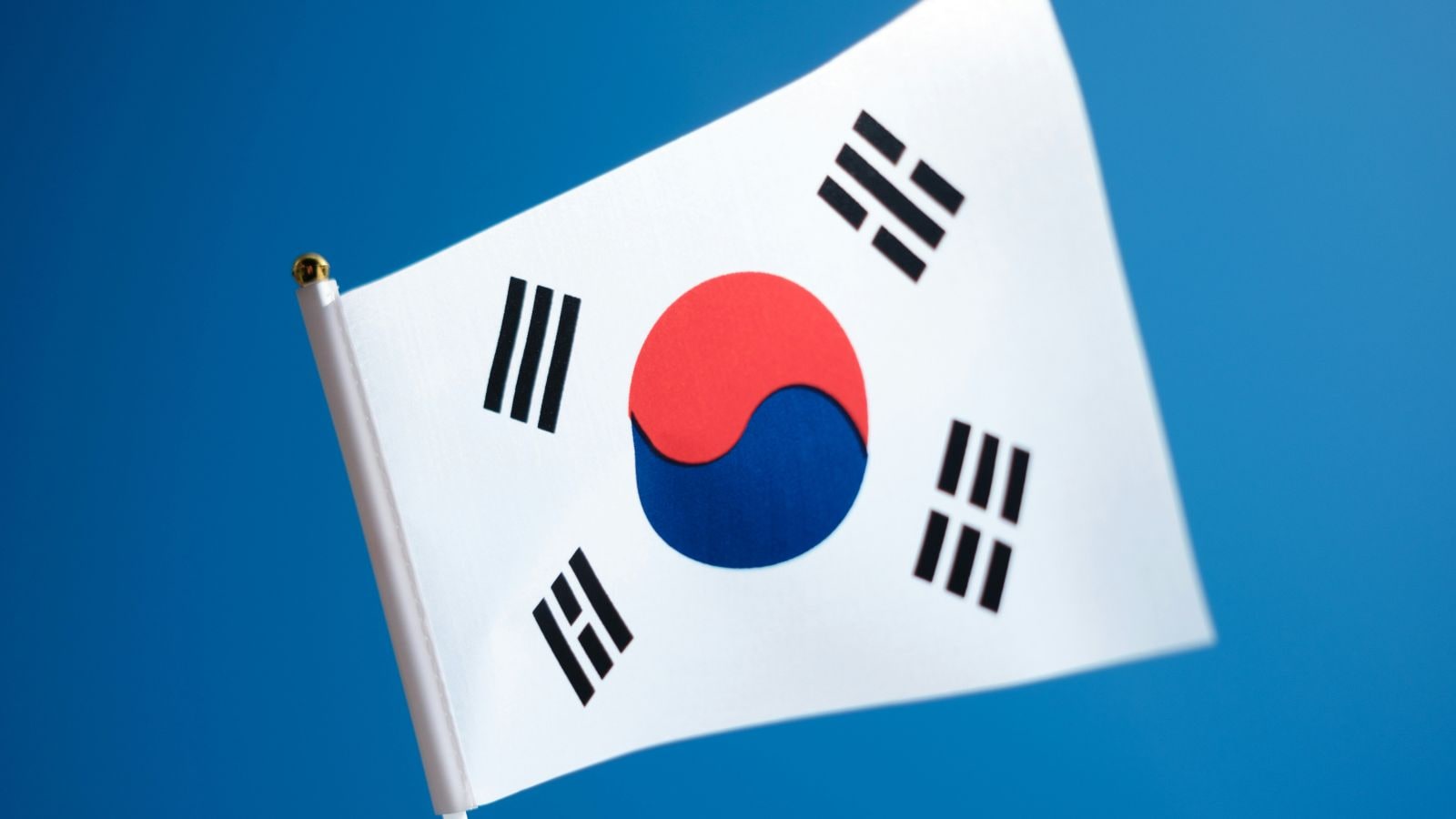
The South Korean Won has just hit its lowest point against the U.S. Dollar since the scars of the 2008 global financial crisis were fresh. For the first time in seventeen years, the psychological barrier has shattered. As the sun sets over Seoul, the reality of a world on edge is filtering down from the oil fields of the Middle East to the flour sacks in a Korean basement.
The Ghost of 1997
South Koreans carry a specific kind of ancestral trauma regarding the exchange rate. They call it the "IMF Era." In the late nineties, the country nearly collapsed, saved only by a humiliating international bailout and a citizenry that literally lined up to donate their wedding rings and gold teeth to the national treasury.
When the Won weakens, the collective heart rate of the nation rises.
The current slide isn't born of domestic failure, which somehow makes it harder to swallow. It is a secondary infection. Thousands of miles away, the Middle East is a tinderbox. When missiles fly or tankers are threatened in the Strait of Hormuz, the world does what it always does in a panic: it runs to the Dollar. It treats the Greenback like a bunker.
But one man’s bunker is another man’s prison. As global investors pull their money out of "emerging" or "riskier" markets to park it in the safety of U.S. Treasuries, the Won is left behind, shivering.
Why the Price of a Tanker Matters to a Student
Korea is a peninsula that functions like an island. It produces almost no energy of its own. It imports nearly every drop of oil and every grain of wheat used to make the noodles that fuel its workforce. When the exchange rate hits 1,500, the country isn't just paying more for "money." It is paying a "fear tax" on every basic necessity.
Consider a hypothetical student named Ji-hoon. He is studying in Chicago, living on a strict remittance sent by his parents in Busan. Six months ago, his father’s monthly transfer of 3 million Won covered his rent and his groceries. Today, that same 3 million Won has evaporated by nearly 15%. Ji-hoon isn't choosing between brands of coffee anymore; he is choosing between a meal and a bus pass.
Back in Seoul, the companies that build the world’s chips and cars—Samsung, Hyundai, SK Hynix—are watching their balance sheets warp. Conventional wisdom says a weak currency is good for exporters. It makes Korean cars cheaper for Americans to buy. But that is an old-world perspective that ignores the complexity of modern supply chains. To build a smartphone, you have to import the raw materials first. When those materials are priced in Dollars, the "export advantage" is swallowed whole by the skyrocketing cost of production.
The Invisible Squeeze
The Bank of Korea now finds itself in a corner with no comfortable walls. If they raise interest rates to defend the Won and stop the capital flight, they crush the Korean homeowner. South Korea has some of the highest household debt levels in the developed world. A sharp rate hike to save the currency could trigger a wave of foreclosures that would make the 1,500 exchange rate look like a minor inconvenience.
If they do nothing, the "imported inflation" will continue to eat the middle class alive.
Mrs. Park understands this, even if she doesn't use the term "macroeconomics." She knows that the cooking oil she uses has gone up. She knows the plastic containers have gone up. She knows that if she raises the price of a kimbap roll by even 500 Won, her regulars—the office workers who are also feeling the squeeze—might just bring a sandwich from home.
The 1,500 mark is more than a statistic. It is the moment where the global becomes painfully personal. It is the realization that a conflict on the other side of the planet can reach into a kitchen in Seoul and take a seat at the table.
The Weight of the Greenback
The dominance of the U.S. Dollar is often described as "exorbitant privilege." For the rest of the world, it often feels like an atmospheric pressure that everyone has simply learned to live with—until the oxygen starts to thin.
We are living through a period where the strength of one nation's currency is actively impoverishing its allies. It isn't malice; it’s just the mechanics of a system where every road eventually leads back to Wall Street. When the U.S. economy remains "too hot" and the Middle East remains "too unstable," the Won becomes the sacrificial lamb at the altar of stability.
The streets of Seoul are still crowded. The lights are still bright. But there is a new, quiet calculation happening behind every transaction. People are looking at their wallets not just as leather pouches for cash, but as barometers of a storm they didn't start and cannot stop.
Mrs. Park sighs and sets her phone down. She adjusts the heat on her stove. She will keep rolling the rice, and she will keep the price the same for one more week, hoping the numbers on the screen turn back toward 1,400. She is betting on a peace she has no power to broker, in a land she has never seen, just so she can keep selling lunch to the man who works at the bank next door.
The steam rises, obscuring the digital ticker on the wall, but the 1,500 remains burned into the back of her mind like a fever that won't break.