The air in Whenuapai carries a specific kind of stillness just before dawn. It is a damp, heavy quiet, occasionally punctured by the distant cry of a gull or the rhythmic hum of a base perimeter fence. But last night, that silence didn't stand a chance. The tarmac groaned under the weight of two C-130 Hercules transport planes, their engines coughing into a low, chest-thumping roar that signaled something far more urgent than a routine training exercise.
These are not sleek, commercial jets designed for comfort or the gentle clinking of ice in glass. They are cavernous, olive-drab workhorses, smelling of hydraulic fluid and old canvas. When they move, the ground feels it. And when the New Zealand Defence Force orders them to the Middle East, the world should feel it too.
We often view military deployments through the lens of cold geopolitics. We see maps with red arrows, hear briefings about "strategic positioning," and read headlines about "contingency planning." But strip away the jargon and you find the raw, vibrating heart of the matter: families sitting in darkened living rooms in Wellington or Auckland, staring at WhatsApp messages that won't send, wondering if the exit door is about to slam shut.
The Invisible Ticking Clock
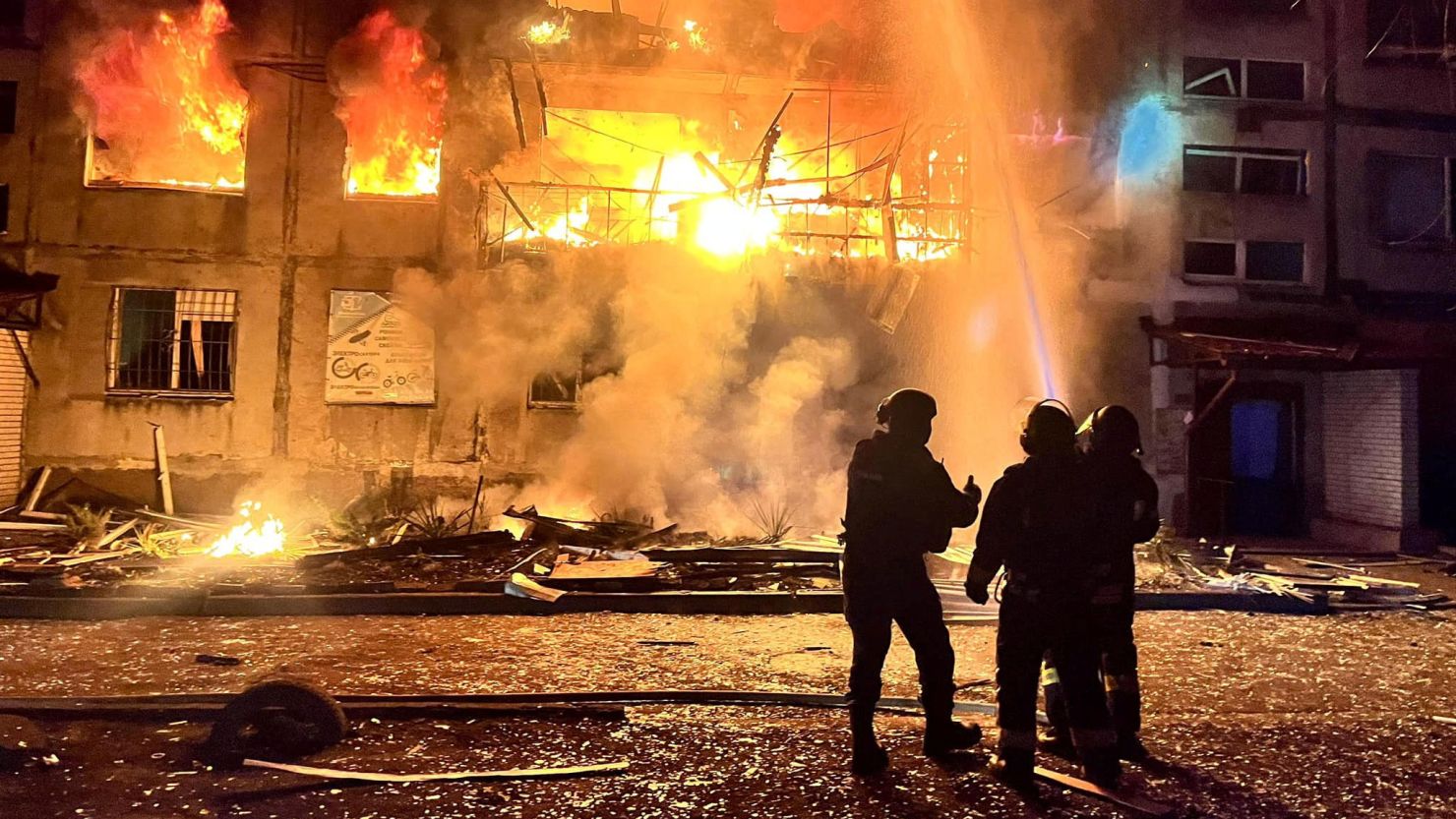
Imagine you are a New Zealand citizen working in a region where the horizon has turned a permanent, dusty orange from the smoke of conflict. Your passport is in your bedside drawer. Your suitcase is half-packed. You listen to the news, trying to discern the difference between "deteriorating conditions" and "get out now."
The government’s decision to send these two aircraft—along with a support team of roughly 50 personnel—is the physical manifestation of that anxiety. It is the sound of a safety net being woven in real-time. These planes aren't going there to join a fight; they are going there to be the difference between a terrifying night on a terminal floor and a flight back to the safety of the Pacific.
The logistics of an evacuation are a nightmare of human variables. It isn't just about fuel and flight paths. It is about a loadmaster calculating exactly how many children can fit on a bench meant for paratroopers. It is about a medic deciding which passenger needs the oxygen mask first. It is about the crushing weight of responsibility felt by a pilot who knows that once those wheels leave the gravel, they are the only thing standing between several dozen civilians and a landscape that has become unrecognizable.
Beyond the Metal
To understand why this matters, you have to understand the Hercules itself. It is an aging bird, often teased for its lack of speed, yet it remains the only machine for this specific, grueling job. It can land on strips of dirt that would tear the undercarriage off a Boeing. It can swallow an ambulance whole and still have room for a hundred frightened people.
Sending two of them is a deliberate choice of redundancy. In the military, one is none and two is one. If a mechanical failure hits one aircraft in a remote desert outpost, the mission doesn't end in a stalemate. The second plane ensures the promise made by a government to its people—that we will come for you—isn't just a line in a press release.
Consider the personnel onboard. These are men and women who were likely planning a weekend at the beach or a quiet dinner with their partners before the "short notice" call came. Now, they are preparing for the blistering heat of a Middle Eastern airfield, the sleeplessness of a multi-leg flight through several time zones, and the sheer, exhausting logistics of a mass evacuation. They are not just operators; they are the people who have to tell a weeping grandmother that she can only take one small bag onto the aircraft. They are the ones who have to say "don't look back" as the cargo ramp starts to seal out the noise of a city in chaos.
The Real Problem With Silence
Governments are notoriously cautious with their language. They talk about "precautionary measures" and "monitoring the situation." This is a polite way of saying the world is currently on a hair-trigger. But the move to deploy these aircraft is a clear, un-varnished signal.
When you hear that a New Zealand P-8A Poseidon or a C-130 has been dispatched to a conflict zone, the real story isn't about the hardware. It is about the people who feel the ground shifting beneath their feet. It is about a New Zealander in a foreign city who just heard the low-frequency thrum of an engine and, for the first time in weeks, finally allowed themselves to exhale.
They are waiting for a seat on a bench that doesn't have a cushion. They are waiting for a flight that won't have a movie or a meal. They are waiting for the olive-drab tail of a Hercules to lower its ramp, offering a slice of home in a place that has suddenly become a stranger.
That is why the engines roared at Whenuapai. That is why the silence was broken.
The last thing a passenger hears before the ramp closes is the scream of the turbines, a sound that in any other context would be deafening and terrifying, but in this one, is the sweetest noise they will ever know.