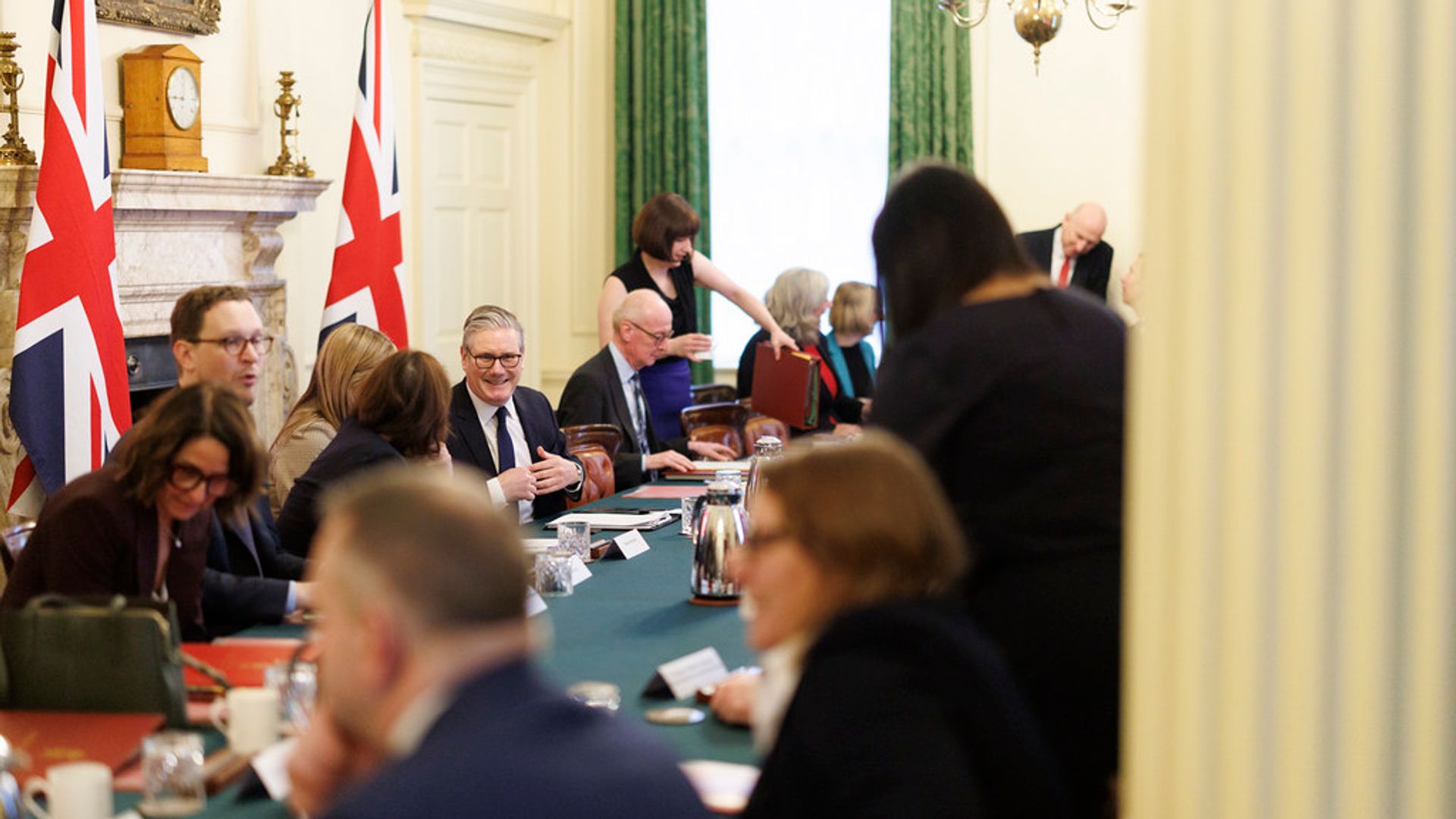
Keir Starmer’s cabinet is currently passing around a document that looks less like a standard policy briefing and more like a survival manual. It’s being called the "Beveridge Report for the Economy," and if even half of it makes it into law, the UK tax system is about to get its biggest shake-up in seventy years.
The timing isn't accidental. With voter anger over the cost of living reaching a boiling point and the shadow of a "hard-right" surge looming in the polls, ministers are looking for a way to prove they aren't just managing decline. The core of this new blueprint? A radical plan to junk National Insurance and hand tax-raising powers to local mayors.
It’s a gamble. But it’s a gamble built on a very specific realization: the current system rewards "grifters and scarcity" while punishing anyone who actually shows up to work.
Scrapping National Insurance and Rethinking Work
The most explosive proposal in the report is the total abolition of employee National Insurance (NI). For decades, NI has been the "stealth tax" that politicians loved because it sounded like a pension contribution but acted like a second income tax.
The blueprint argues that the current setup is fundamentally dishonest. It creates a massive "tax wedge" where workers pay a significantly higher marginal rate than landlords or people living off dividends. By folding NI into a single, transparent income tax, the government aims to simplify the system and, crucially, lower the burden on those who earn their living through a monthly paycheck.
This isn't just about simplification; it’s about "securonomics." The idea is that if you make work pay better than sitting on assets, you naturally drive growth. Several Treasury ministers, including Dan Tomlinson and Lucy Rigby, were senior figures in the "Labour Growth Group" that helped develop these ideas. They aren't just looking at the numbers; they're looking at the optics of a system that currently feels "cheated" to the average voter.
Giving Power to the Mayors
The second pillar of this blueprint is a massive shift toward fiscal devolution. We've spent decades talking about "levelling up," but the purse strings have always stayed in Whitehall. This report suggests a "vastly expanded" set of powers for regional mayors like Andy Burnham and Steve Rotheram.
Specifically, the plan looks at:
- Business Rates Devolution: Letting mayors set and keep business rates to incentivise local growth.
- Borrowing Powers: Giving regions the ability to borrow against future growth for infrastructure projects.
- Ending Micromanagement: Moving the Cabinet Office out of the way so local leaders can actually lead.
There’s a clear logic here. A mayor in Greater Manchester or the West Midlands knows which local bottlenecks are killing productivity better than a civil servant in London. By allowing them to keep a slice of the tax they generate, you create a direct incentive for local governments to be pro-business.
The Shift to Land Value Tax
For years, "Land Value Tax" (LVT) has been the holy grail for economic wonks and a nightmare for political strategists. This blueprint suggests Labour is finally ready to "grasp the nettle."
The plan proposes overhauling the regressive Council Tax—which is still based on 1991 property valuations—and moving toward a system that taxes the value of the land itself. Why does this matter? Because Council Tax currently hits lower-income households harder as a percentage of their wealth, while wealthy homeowners in high-value areas pay disproportionately little.
A Land Value Tax targets "unearned" wealth—the increase in property value that comes from a new tube station or a local school being built—rather than the work people do to improve their homes. It’s designed to confront those who profit from "scarcity" (like land banking) and force them to either develop the land or sell it to someone who will.
Tax Breaks for the "Risk Takers"
While the report takes a hard line on "grifters," it’s surprisingly pro-entrepreneur. It suggests significant tax breaks for founders and startup creators. The goal is to stop the UK’s "exit culture," where every promising tech company sells out to a US giant the moment they hit a £50 million valuation.
By offering better tax treatment for those who build and hold onto their companies, Labour wants to create a new generation of British "scale-ups." It’s an attempt to marry traditional Labour values of fairness with a very Thatcherite focus on initiative and enterprise.
Can They Actually Pull This Off?
The internal politics of this are messy. Angela Rayner has already warned Starmer that the government "cannot go through the motions" while the country feels like it's in decline. There’s a faction in the cabinet that thinks this blueprint is the only way to win in 2028. Then there are the traditionalists who worry that radical tax reform always creates "losers" who shout louder than the "winners."
The Institute for Fiscal Studies (IFS) has noted that tax revenue as a share of national income is set to hit a record high of 37.4% by 2027. Labour is boxed in by their own manifesto promises not to raise the "big three" (Income Tax, NI, VAT). This blueprint is their attempt to find a fourth way: not by just raising rates, but by completely rebuilding the engine.
If you want to see where the government is heading, watch the upcoming spring forecasts. Look for mentions of "rebalancing" and "fiscal devolution." The talk of "growth missions" is fine for a speech, but this blueprint is the first sign of what those missions actually look like in pounds and pence.
Don't wait for the next Budget to see how this affects your pocket. Start looking at your exposure to property taxes and how your income is structured. If the NI-to-Income-Tax shift happens, the "dividend vs. salary" math for small business owners will change overnight. If you're a founder, keep an eye on the proposed "initiative" tax breaks—they could be the difference between selling early or building a legacy.
The era of "managed decline" is being challenged from within the cabinet. Whether Starmer has the nerve to sign off on the Beveridge Report for the Economy is the only question that remains.


