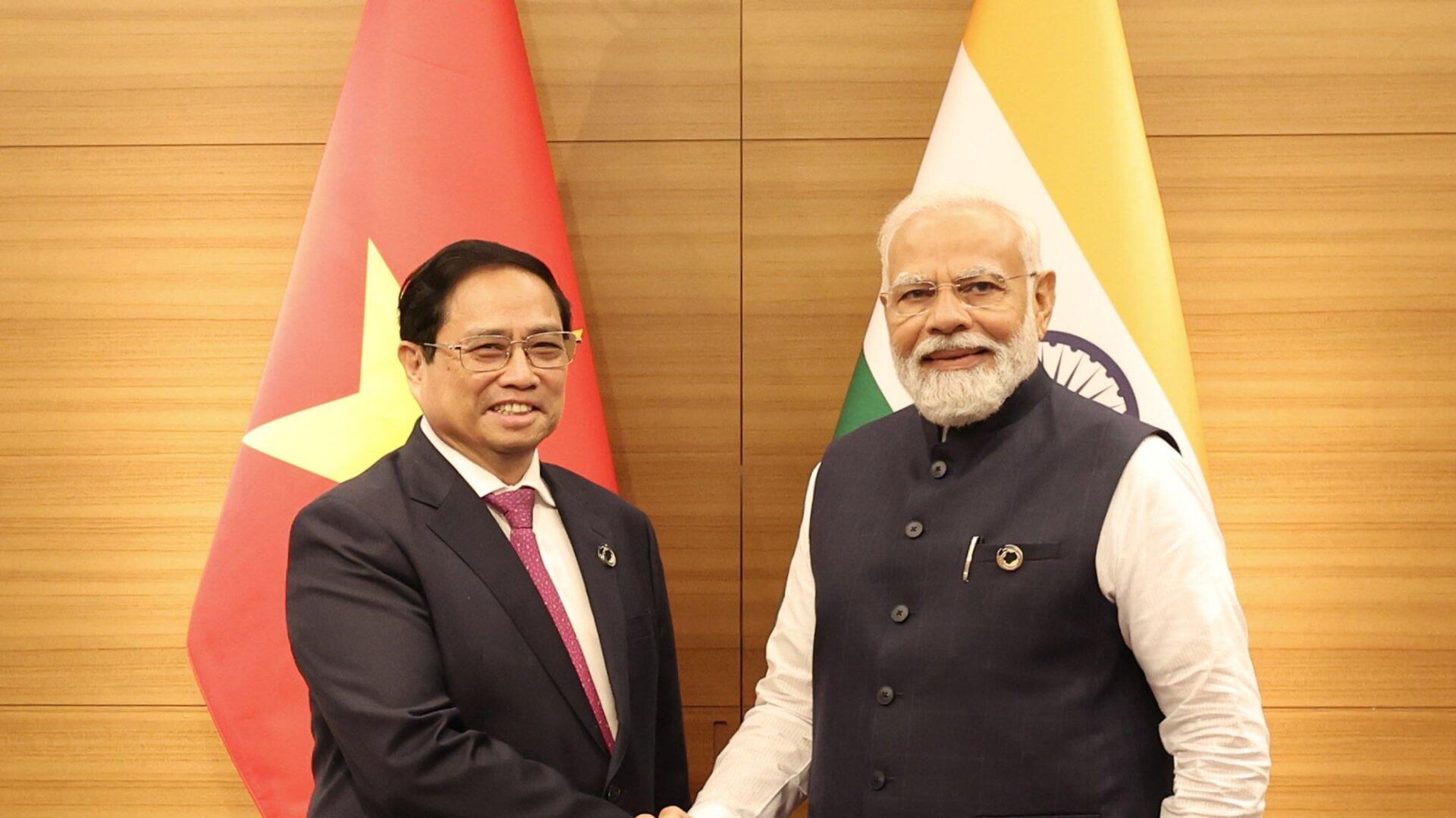
When Indonesian President Prabowo Subianto touched down at Seongnam Military Airbase this week, it wasn't just another diplomatic photo op. This visit to Seoul marks a massive shift in how Southeast Asia’s biggest economy and East Asia’s high-tech powerhouse plan to survive a volatile global market. While the headlines talk about "agreements," the reality is a high-stakes play for resource security and technological independence.
Prabowo and South Korean President Lee Jae Myung just upgraded their relationship to a Special Comprehensive Strategic Partnership. If that sounds like bureaucratic jargon, think again. Indonesia is the first country to ever hold this specific title with South Korea. They aren't just trading partners anymore; they're essentially hitching their wagons together to navigate the mess of global supply chains and Middle East instability.
The Nickel and Semiconductor Connection
The most critical part of this deal sits underground. Indonesia holds the world’s largest nickel reserves, which are the lifeblood of the electric vehicle (EV) revolution. South Korea has the "excellent industrial capabilities" but lacks the raw materials. It’s a marriage of necessity.
They've revised their Memorandum of Understanding (MoU) on core minerals to go beyond just buying and selling. They're now looking at joint research into mineral policies and actual project discovery. For you, this means the battery in your next EV is increasingly likely to have an Indonesian heart and a Korean brain.
Why this matters right now
- Energy Security: With the Middle East war rattling markets, South Korea is desperate for stable energy. Indonesia is stepping up as a massive supplier of LNG and coal.
- Supply Chain Resilience: Both nations want to reduce their reliance on a single dominant neighbor (yes, China).
- The EV Race: Hyundai and LG are already deep in Indonesia; these new agreements make those investments safer and more scalable.
Digital Finance and the Death of High Fees
We often overlook the "finance" part of these international trips, but the agreement between Indonesia’s new sovereign wealth fund, Danantara, and the Korea Eximbank is a big deal. It’s about building a financial bridge that doesn't rely on Western intermediaries.
Even more interesting for regular people is the cross-border QR payment link set to launch this month. If you’re traveling from Jakarta to Seoul or vice versa, you won’t have to mess with cash or predatory exchange rates. You’ll just scan a code using your domestic app. It’s a practical application of the Local Currency Transaction (LCT) framework that’s been in the works since late 2024. This isn't just "tech for tech’s sake"—it’s about making the "real-sector" economy actually work for small businesses and tourists.
The Fighter Jet Elephant in the Room
You can't talk about Indonesia and South Korea without mentioning the KF-21 Boramae fighter jet. For years, this project was plagued by Jakarta's missed payments and rumors of a split. But during this visit, the tone changed.
The first batch of these supersonic planes rolled out recently, and reports suggest Indonesia is looking at an initial buy of 16 aircraft. While there wasn't a "signed, sealed, delivered" contract for new defense sales announced during the lunch, the commitment to finish the joint development program by the end of 2026 is a huge signal of trust.
The 10 Key Areas of Cooperation
The leaders didn't just sign one paper; they exchanged 10 different MoUs. Here’s the breakdown of what's actually changing:
- Economy 2.0: A fancy way of saying they’re digitizing trade.
- Critical Minerals: Deepening the nickel and rare earths pipeline.
- Artificial Intelligence: Using AI for basic healthcare and human development.
- Clean Energy: Moving toward carbon capture and offshore power.
- Intellectual Property: Protecting the tech they build together.
- Infrastructure: Massive shipbuilding and nuclear power projects.
What’s Next for You
If you’re an investor or a business owner, ignore the fluff and look at the sectors. The push into AI-driven healthcare and offshore power generation is where the money is flowing. These aren't just ideas; they're backed by state-level financing.
For those watching the tech space, the QR payment integration is the first "test case" of this partnership. If it works smoothly this April, expect more digital integration to follow.
Don't wait for a formal report to see where this is going. Start looking at Indonesian firms involved in the nickel supply chain and Korean tech companies expanding their footprint in Jakarta. The "special comprehensive" part of this partnership means the barriers to entry for these two markets are about to get a lot lower.