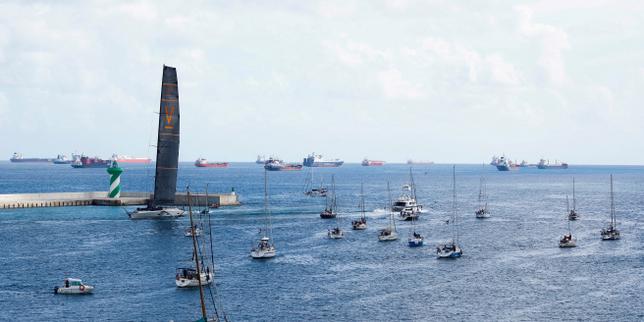
The images of ships lining up in international waters aren't just for show. They're a direct challenge to a blockade that has defined life in the Gaza Strip for nearly two decades. While diplomats argue in air-conditioned rooms in New York and Brussels, a coalition of activists, doctors, and former politicians is betting on a much more visceral strategy. They're putting bodies and hulls between a humanitarian crisis and the military power enforcing it. This isn't the first time a flotilla has tried to break the siege, but the stakes in 2026 feel fundamentally different.
You've probably seen the headlines about the "Freedom Flotilla Coalition." It’s a group involving organizations from over a dozen countries, including Turkey, Norway, and South Africa. Their goal sounds simple: deliver thousands of tons of food and medical supplies directly to the shores of Gaza. But anyone who knows the history of the Mavi Marmara or the subsequent attempts knows there's nothing simple about sailing into a high-tension naval exclusion zone.
The Logistics of Defiance
Operating a fleet like this isn't just about renting a couple of old fishing boats. It's a massive, multi-million dollar logistical nightmare. We're talking about cargo ships capable of carrying 5,000 tons of flour, specialized medical equipment, and passenger vessels for hundreds of observers. These observers aren't just random students. They include European Parliament members, human rights lawyers, and journalists who serve as a human shield against potential intervention.
The organizers have been very clear about their non-violent stance. Every person on board undergoes mandatory training in non-violent resistance. They know the risks. They've seen what happens when naval commandos board a ship in the middle of the night. Yet, they continue to push forward because they believe the legal and moral high ground belongs to them.
International Law and the Great Blockade Debate
Is the blockade legal? If you ask the Israeli government, they'll point to the Palmer Report, which suggested the naval blockade was a legitimate security measure to prevent weapons smuggling. But if you talk to the UN’s Special Rapporteurs or organizations like Amnesty International, you'll hear a very different story. They argue it constitutes collective punishment, which is a flat-out violation of the Fourth Geneva Convention.
The flotilla exists in this legal gray area. By sailing toward Gaza, they aren't just delivering rice and bandages. They're forcing a legal confrontation on the high seas. If the ships are intercepted in international waters, it raises massive questions about maritime law and the right of passage. It's a calculated move to get the International Criminal Court (ICC) and the International Court of Justice (ICJ) to take a harder look at the enforcement of the siege.
Why the 2026 Context Changes Everything
The humanitarian situation in Gaza has reached a point where "dire" doesn't even begin to cover it. We're looking at a population where nearly everyone is food insecure. The water isn't drinkable. The electricity is a luxury. In previous years, the flotilla felt like a symbolic gesture. Today, it feels like a desperate necessity.
The inclusion of South African activists is particularly notable this time around. Following the legal proceedings at the ICJ regarding the situation in Gaza, South Africa’s involvement adds a layer of diplomatic weight that previous missions lacked. It’s no longer just a collection of NGOs. It’s a movement backed by the moral authority of nations that have historically fought against systemic segregation and oppression.
Risks on the Open Sea
Let's be real about what could happen. History tells us these missions rarely reach the port of Gaza. Usually, the vessels are redirected to Ashdod, the cargo is "inspected," and the activists are deported. At worst, things turn violent. The memory of 2010 hangs heavy over every planning meeting.
The Israeli Defense Forces (IDF) have made it clear they won't allow any vessel to breach the maritime zone without inspection. They argue that if they let one ship through, it opens the door for Iranian-backed weapons shipments. It’s a classic security-versus-humanity deadlock. The activists counter that they're happy to have their cargo inspected by third-party international bodies—just not by the occupying power.
The Strategy of Visibility
What most people get wrong about the flotilla is thinking that "success" only means docking in Gaza. Obviously, that’s the primary goal. But the secondary goal is visibility. Every hour these ships spend at sea is an hour the world has to look at the blockade.
Social media has changed the game here. In 2010, we relied on grainy satellite feeds. In 2026, every passenger has a high-definition camera in their pocket and a satellite link. Any boarding attempt will be broadcast live to millions. That kind of instant transparency makes the old-school military tactics of "seize and silence" much harder to pull off. It forces a level of accountability that didn't exist a decade ago.
Moving Beyond Symbolism
If you're following this story, don't just look at the ships. Look at the diplomatic ripples they're creating. Several Mediterranean countries are now under pressure from their own citizens to provide "safe passage" or naval escorts. While it’s unlikely a NATO member would provide a military escort for a protest fleet, the mere fact that the conversation is happening shows how much the tide has shifted.
The real test will be what happens when the first ship hits the 20-nautical-mile mark. That’s the point of no return. You can support the mission or oppose it, but you can’t ignore the fact that these people are putting their lives on the line for a principle.
Keep an eye on the official trackers for the Freedom Flotilla Coalition. Watch the statements coming out of the Turkish Foreign Ministry and the European Union. The next 48 to 72 hours will determine if this is a turning point in the blockade or another tragic footnote in a long-standing conflict. If you want to help, look into the civil society groups in your own country that are funding the medical supplies on these ships. This isn't just a news story; it's a massive, decentralized humanitarian effort that requires more than just passive observation.