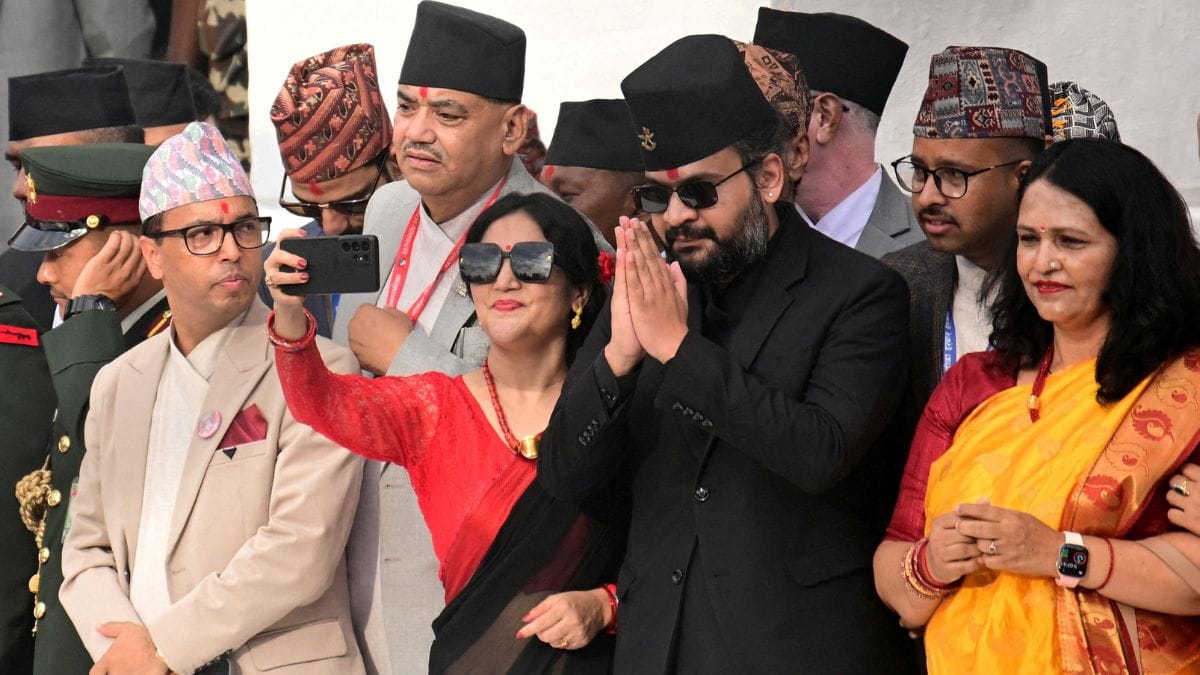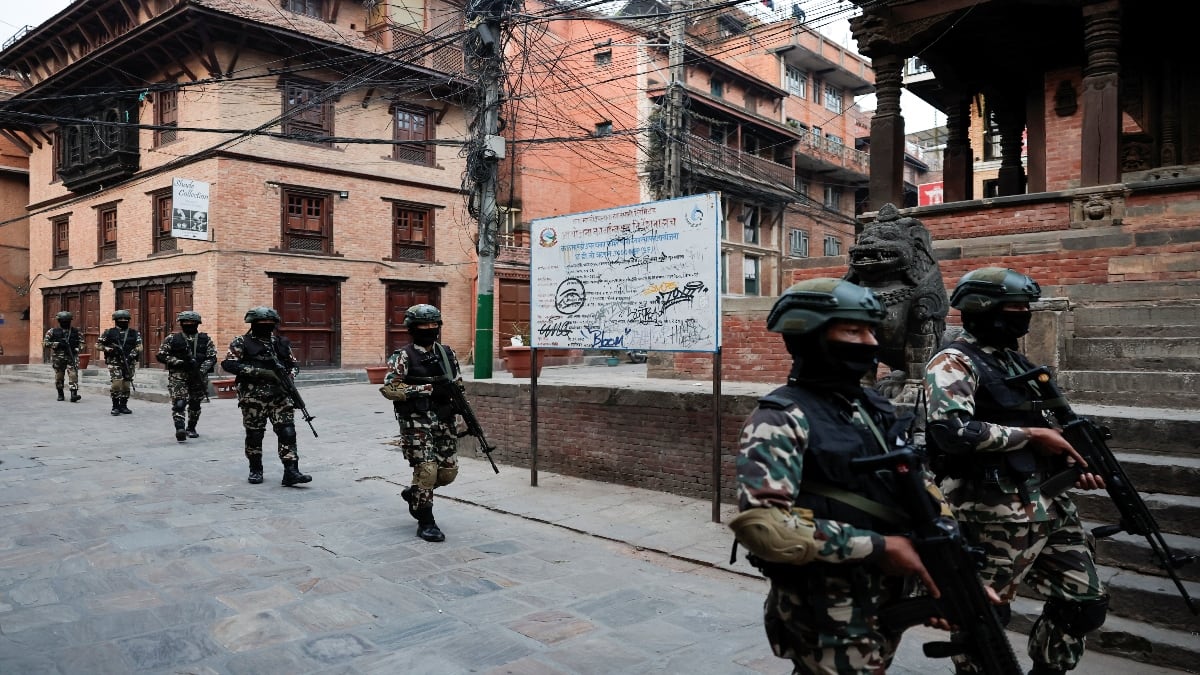
The international press is obsessed with the "Gen Z Uprising" in Kathmandu. They see TikTok videos of kids in hoodies facing down water cannons and immediately reach for the "Arab Spring" or "Color Revolution" playbook. They want to tell you a story about a digital-native generation finally breaking the shackles of a geriatric Maoist-Marxist-Congress triad.
They are wrong.
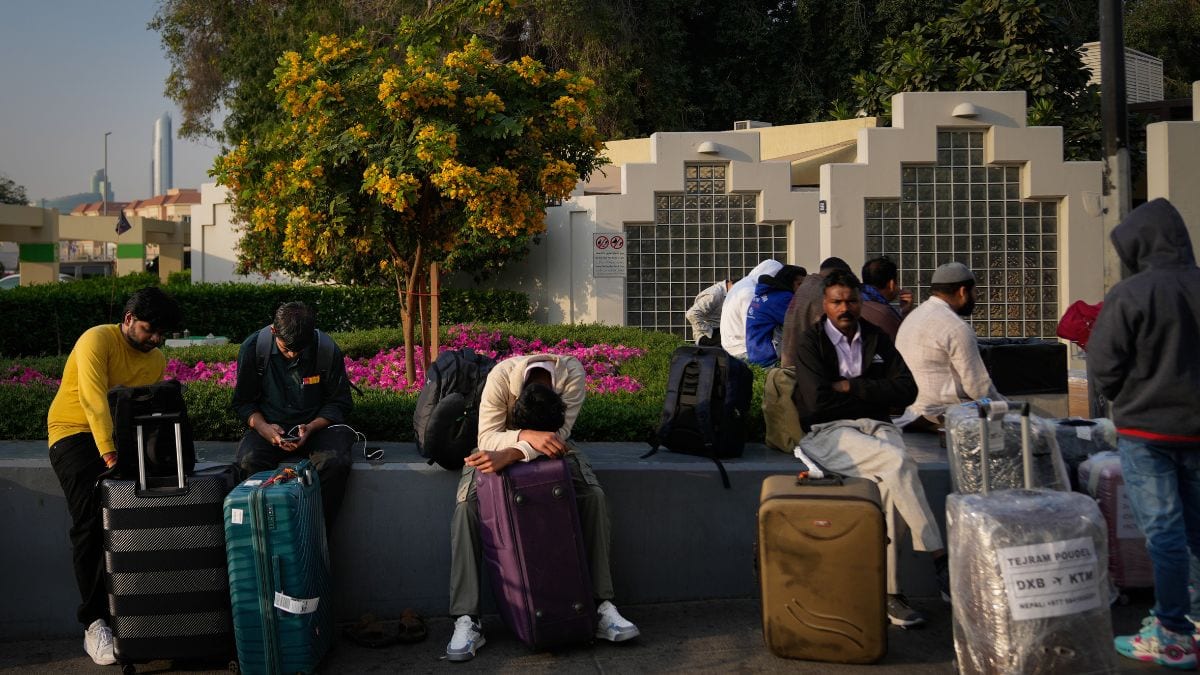
What we are witnessing in Nepal isn't the birth of a new democracy. It is the final, violent twitch of a failed state model that has been dead since 2008. The upcoming "high-stakes" election isn't a solution; it’s a distraction. If you think a trip to the ballot box will fix a country where 21% of the GDP comes from people leaving it to work in 50-degree heat in Qatar, you haven't been paying attention.
The Myth of the Gen Z Savior
The narrative suggests that Nepal’s youth are driven by a sudden, enlightened thirst for Western-style liberal democracy. This is a lazy projection. I have spent years tracking the data on youth migration and sentiment in the Himalayas. These protesters aren't screaming for "inclusive governance" because they read it in a textbook. They are screaming because the ladder has been pulled up.
Nepal’s youth are not "leading" a revolution; they are conducting a desperate exit interview. When you look at the crowds in Durbar Square, you aren't seeing a political movement. You are seeing a demographic that has realized the "Federal Democratic Republic" is just a rebranding of the old feudal patronage system.
The protesters aren't fighting for the right to vote. They already have that. They are fighting because the cost of a passport and a flight to Dubai is now the only viable "career path" for a graduate in Kathmandu. The "Gen Z" label is a convenience for Western editors who need to categorize chaos. In reality, this is a bread riot with better smartphone cameras.
The Fatal Flaw of Federalism
The 2015 Constitution was supposed to be the fix. It decentralised power, created seven provinces, and promised to bring "Singha Durbar to every doorstep."
It failed. Instead of bringing services to the people, it simply multiplied the number of mouths the taxpayer has to feed. We didn't decentralize democracy; we decentralized corruption. We created seven mini-kingdoms where local "contractor-politicians" (the thekedar class) operate with total impunity.
Logic dictates that if a system produces the same three octogenarian leaders—Pushpa Kamal Dahal (Prachanda), Sher Bahadur Deuba, and K.P. Sharma Oli—in a perpetual game of musical chairs for thirty years, the problem isn't the voters. The problem is the plumbing.
The upcoming election will likely result in another hung parliament. Another coalition of convenience. Another backroom deal brokered in the middle of the night. To call this "high-stakes" is an insult to the word. The stakes are zero because the outcome is pre-determined by the architecture of the electoral system itself.
The Geopolitical Pincard
Stop looking at Kathmandu and start looking at the border. The "democratic awakening" narrative ignores the fact that Nepal is a landlocked laboratory for the New Cold War.
- India wants stability and "Hindu-centric" continuity.
- China wants a "Trans-Himalayan Multi-Dimensional Connectivity Network" and a communist-ish government that won't let Tibetans breathe.
- The United States is frantically trying to push the Millennium Challenge Corporation (MCC) projects to counter the Belt and Road Initiative (BRI).
When the "Gen Z" protesters topple a government, they aren't just hitting "reset" on domestic policy. They are inadvertently resetting the bidding war between New Delhi, Beijing, and Washington. Every protest is a data point for foreign intelligence agencies to see which populist leader can be bought or rented next.
If you think this election is about Nepalese domestic issues, you are ignoring the billions of dollars in infrastructure "aid" that act as velvet handcuffs.
The "Digital Revolution" is a Surveillance Trap
The competitor's piece praises the use of social media to organize the protests. This is the most dangerous "lazy consensus" of all.
Yes, TikTok and Telegram got people into the streets. But those same tools are now being used by the state—and the parties waiting in the wings—to map the social graphs of every dissenter. Nepal’s "Generation Tech" is handing their biometric and social data to a state apparatus that is increasingly looking toward the "Digital Silk Road" for its surveillance tech.
The protests aren't disrupting the status quo; they are providing the status quo with a list of names to watch.
Why the Election Will Solve Nothing
People ask: "Who should we vote for to fix the economy?"
The answer is: No one.
The economic crisis in Nepal is structural, not political.
- The Remittance Trap: As long as the country relies on foreign labor markets, there is zero incentive for the domestic elite to create jobs. Why build a factory when you can just clip the ticket on money transfers?
- The Trade Deficit: Nepal imports everything from rice to toothpicks. The "deadly protests" didn't change the fact that the country has a 10:1 import-to-export ratio.
- The Energy Myth: Everyone talks about "Hydro-wealth." But the red tape and geopolitical tug-of-war mean most of that potential is literal water under the bridge.
Imagine a scenario where a "youth-led" party actually wins. What do they inherit? A debt-to-GDP ratio that has skyrocketed, a bureaucracy that eats 70% of the budget in administrative costs, and a youth population that wants to leave the moment they get their degree.
The Uncomfortable Truth
The "high-stakes election" is a pressure valve, not a turning point. It allows the angry youth to feel they have "won" while the same power brokers reshuffle the deck.
The real story isn't the protest. It’s the silence of the millions who didn't protest because they were too busy lining up at the Department of Passports.
Nepal doesn't need another election. It needs a total bankruptcy of the current political class. But as long as the international community keeps cheering for "democratic transitions" and "youth movements," the cycle of performative revolution followed by systemic stagnation will continue.
Stop cheering for the "vote." Start looking at the exit rows.
Would you like me to analyze the specific economic data of Nepal's remittance dependency to show why no political party can actually stop the brain drain?