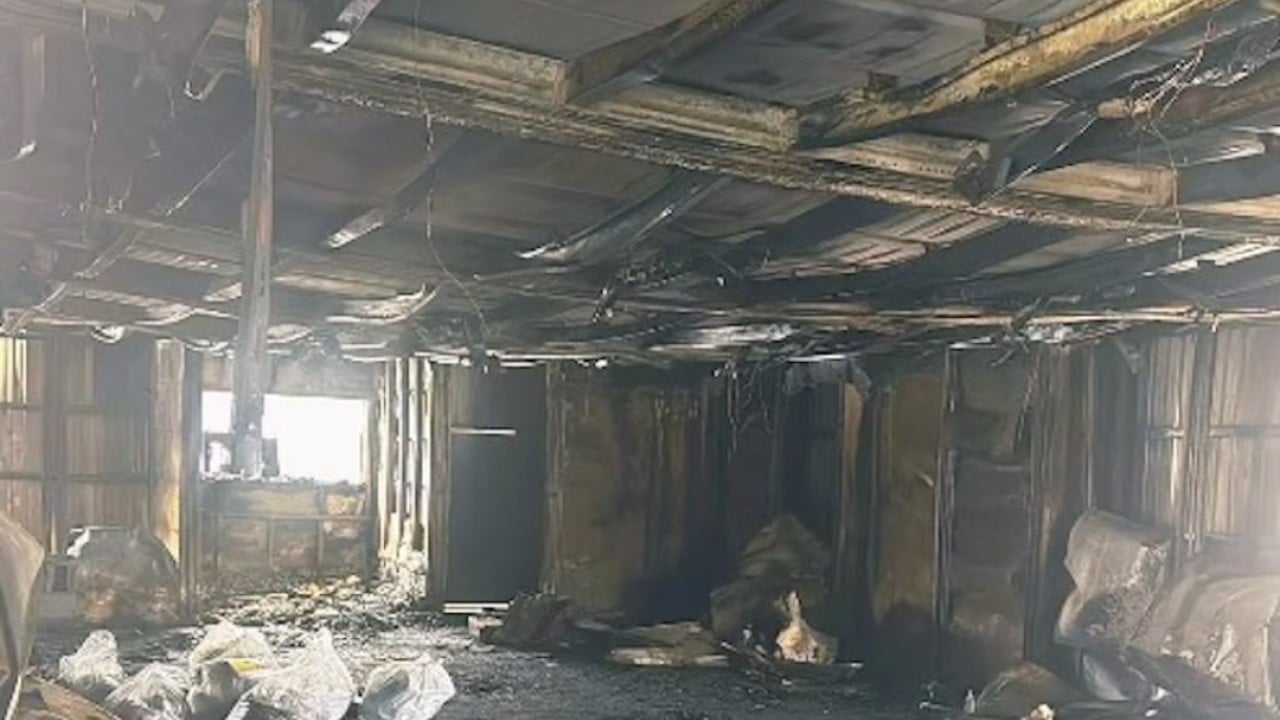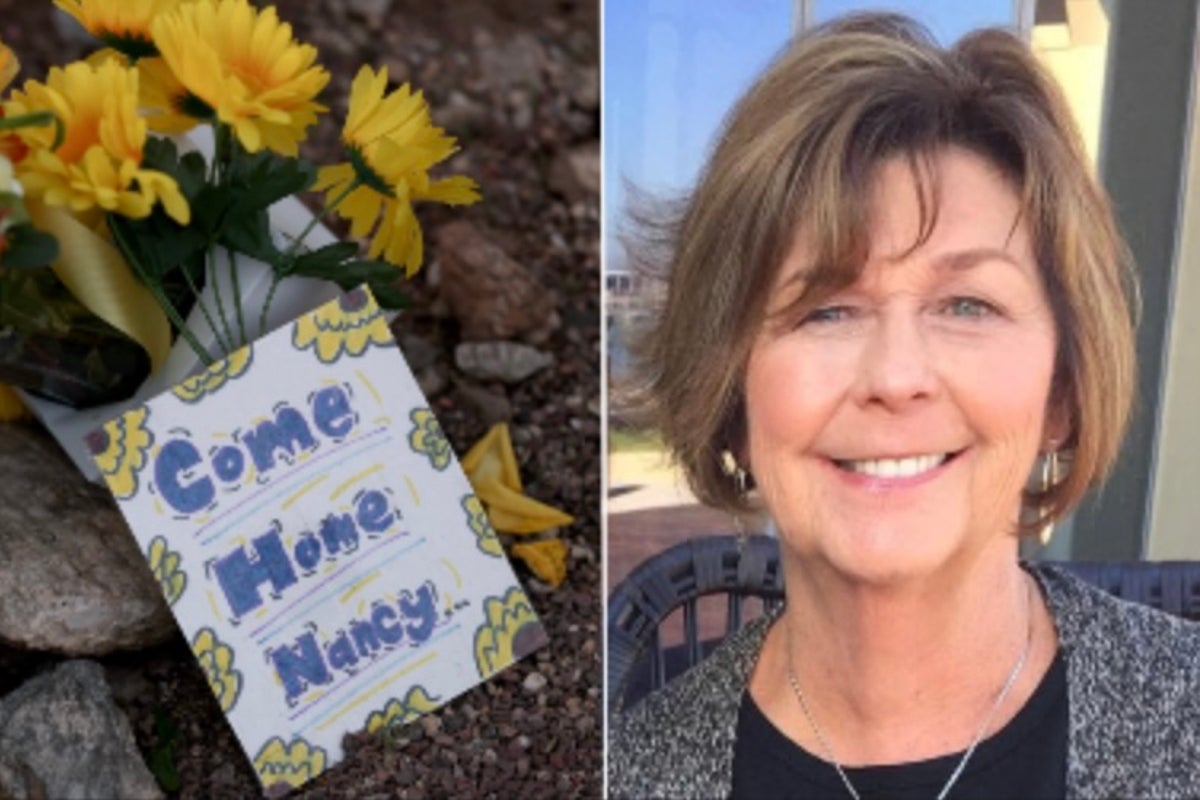
Pima County Sheriff Chris Nanos says his team is definitely closer to finding Nancy Guthrie, but a month into the investigation, the 84-year-old mother of "Today" co-host Savannah Guthrie is still nowhere to be found. If you've been following the headlines, you've heard the soundbites about "good leads" and "intel." But let's be real—when a high-profile abduction hits the 30-day mark without a suspect in handcuffs, the pressure doesn't just climb; it explodes.
The latest update from the Pima County Sheriff’s Department isn't just another routine briefing. It's a pivot. After weeks of processing a crime scene in the Catalina Foothills, authorities have released Nancy's home back to her family. They've shifted from a massive boots-on-the-ground search to what Nanos describes as a "homicide unit" approach, even while holding onto the hope that Nancy is still alive.
The Evidence That Doesn't Quite Fit
Investigators are staring at a mountain of digital and physical data that seems almost designed to confuse. You’ve got a masked intruder caught on a Nest doorbell camera at 2:12 a.m. on February 1. You’ve got a missing security camera from the front of the house. Most chillingly, forensic teams found Nancy's blood near the entrance.
But here’s where things get messy.
Nanos recently admitted that the DNA evidence recovered from the home has been a nightmare to process. Why? Cross-contamination. When a home is a hub for family and visitors, pulling a clean "suspect" profile out of a biological sample is like trying to find a specific grain of sand on a beach. They found a glove two miles away, but the DNA on it didn't match anyone in the CODIS database.
The Walmart Backpack Mystery
One specific detail has local investigators and the FBI chasing their tails. The suspect was seen wearing a 25-liter Ozark Trail Hiker Backpack. Initial reports pegged this as a "Walmart exclusive," which sounds like a great lead until you realize how many of those are sold every day.
- Initial Theory: The suspect bought it recently at a local Tucson Walmart.
- Current Reality: Nanos pointed out that these bags end up on eBay, Facebook Marketplace, and second-hand shops constantly.
It’s a classic example of a "specific" clue that turns out to be a dead end in a world of secondary markets.
Ransom Notes and Digital Ghosts
We can't talk about this case without mentioning the ransom demands. TMZ reportedly received messages demanding $6 million in cryptocurrency. KOLD in Tucson received a demand in Bitcoin.
In most modern abductions, the "digital trail" is the first thing to break a case. But if the kidnappers are using encrypted comms and demanding crypto, they aren't your average smash-and-grab criminals. They’re technically savvy. They knew to disable a camera. They likely knew that Nancy’s pacemaker would stop sending data to her iPhone and Apple Watch the moment she was out of range or the device was destroyed.
The Toll of Social Media Sleuthing
While the Sheriff says they're "closer," the public's "help" has actually made the job harder. Take the case of Dominic Evans, a local teacher who was dragged through the mud by TikTok "detectives" because he played in a band with Nancy’s son-in-law.
Evans had his life upended, his home surrounded by gawkers, and his name tarnished—all because he shared a vague resemblance to a grainy, masked figure on a doorbell cam. Nanos was visibly frustrated by this, essentially telling these armchair investigators to back off before they ruin more lives. When a case goes viral, the signal-to-noise ratio becomes a massive hurdle for actual detectives who have to vet every "hot tip" born from a subreddit theory.
Where the Investigation Goes From Here
The FBI has moved its primary command center from Tucson back to Phoenix. While the Sheriff’s Department insists this isn't a "scaling back," it’s a clear sign that the phase of the investigation has changed. We're no longer in the "golden hour" or even the "golden week."
The focus has shifted to two specific pieces of tech:
- Ring Camera Footage: Two homeowners roughly 2.5 miles away captured video of vehicles on a road leading to Nancy's neighborhood at 2:36 a.m.—just minutes after the abduction is thought to have occurred.
- Gun Store Records: The FBI has been canvassing local gun stores with a list of names and photos, looking for anyone who recently purchased holsters or gear matching the suspect's description.
If you’re looking to help or are following this closely, keep your eyes on the $1 million reward. That kind of money doesn't just find a victim; it buys a confession from an associate. Most crimes like this aren't solved by a "CSI" moment; they're solved because someone who knows the suspect decides a million dollars is worth more than loyalty.
Check your own home security footage from the night of January 31 and February 1 if you live anywhere near the Catalina Foothills. Don't look for Nancy—look for that specific vehicle or someone acting strangely with a hiking pack. That’s the "intel" the Sheriff is actually waiting for.