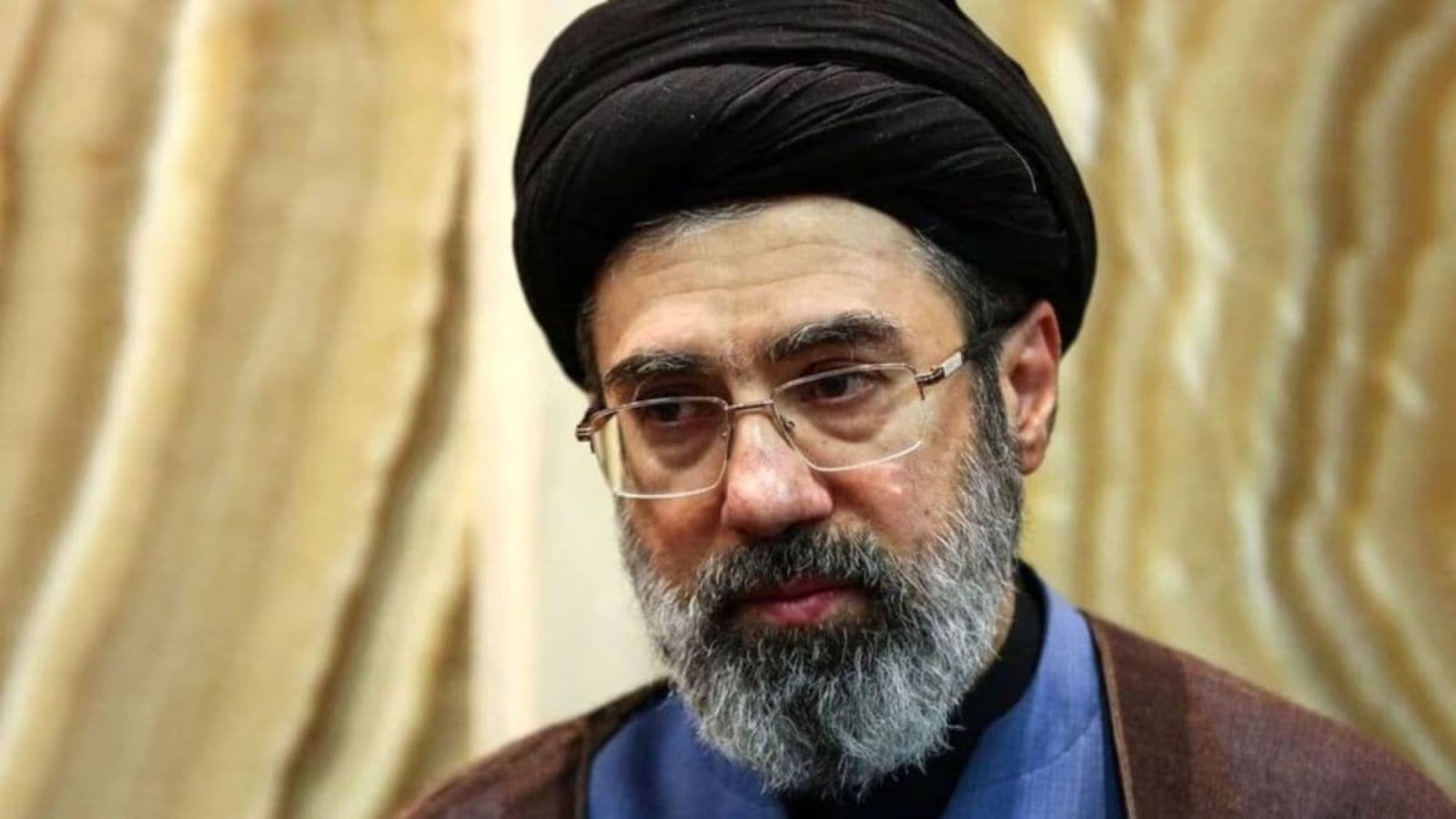
Western intelligence analysts love a ghost story. For years, the narrative surrounding Mojtaba Khamenei has been built on a foundation of "is he or isn't he" speculation that would make a tabloid editor blush. When Donald Trump publicly questioned whether Iran’s new Supreme Leader is even drawing breath, he wasn't just trolling; he was falling into the same trap that has ensnared the State Department for decades. They view the Iranian leadership through the lens of a Hollywood thriller rather than a cold, hard corporate succession plan.
Mojtaba Khamenei thanking the people of Iraq for their support isn't a sign of weakness or a desperate "proof of life" video. It is a tactical pivot. While the media focuses on whether he is alive, they are missing the fact that he is currently busy re-engineering the most complex power structure in the Middle East. If you’re looking for a pulse, you’re looking at the wrong organ. Look at the money. Look at the logistics. Look at the IRGC’s ledger.
The Ghost in the Machine
The lazy consensus suggests that Mojtaba is a "shadowy figure" with no popular mandate. This is a fundamental misunderstanding of how the Velayat-e Faqih operates. In the Iranian system, public charisma is a secondary asset; institutional control is the only currency that doesn't devalue.
I’ve spent years watching how these bureaucratic behemoths operate from the inside. When a leader goes silent, it isn't always because they are incapacitated. It’s because they are insulating. The transition from Ali Khamenei to Mojtaba isn't a family inheritance in the way a European monarchy works. It is a hostile takeover by a technocratic elite that has spent thirty years embedding itself into the bony marrow of the Iranian state.
To ask if Mojtaba is "alive" is to ask the wrong question. The real question is: Does the office of the Supreme Leader still function as a monolith, or has it become a committee? By thanking Iraq, Mojtaba is signaling to the regional proxies—the "Axis of Resistance"—that the CEO might have changed, but the contracts are still being honored.
The Trump Fallacy: Confusion is Not Intelligence
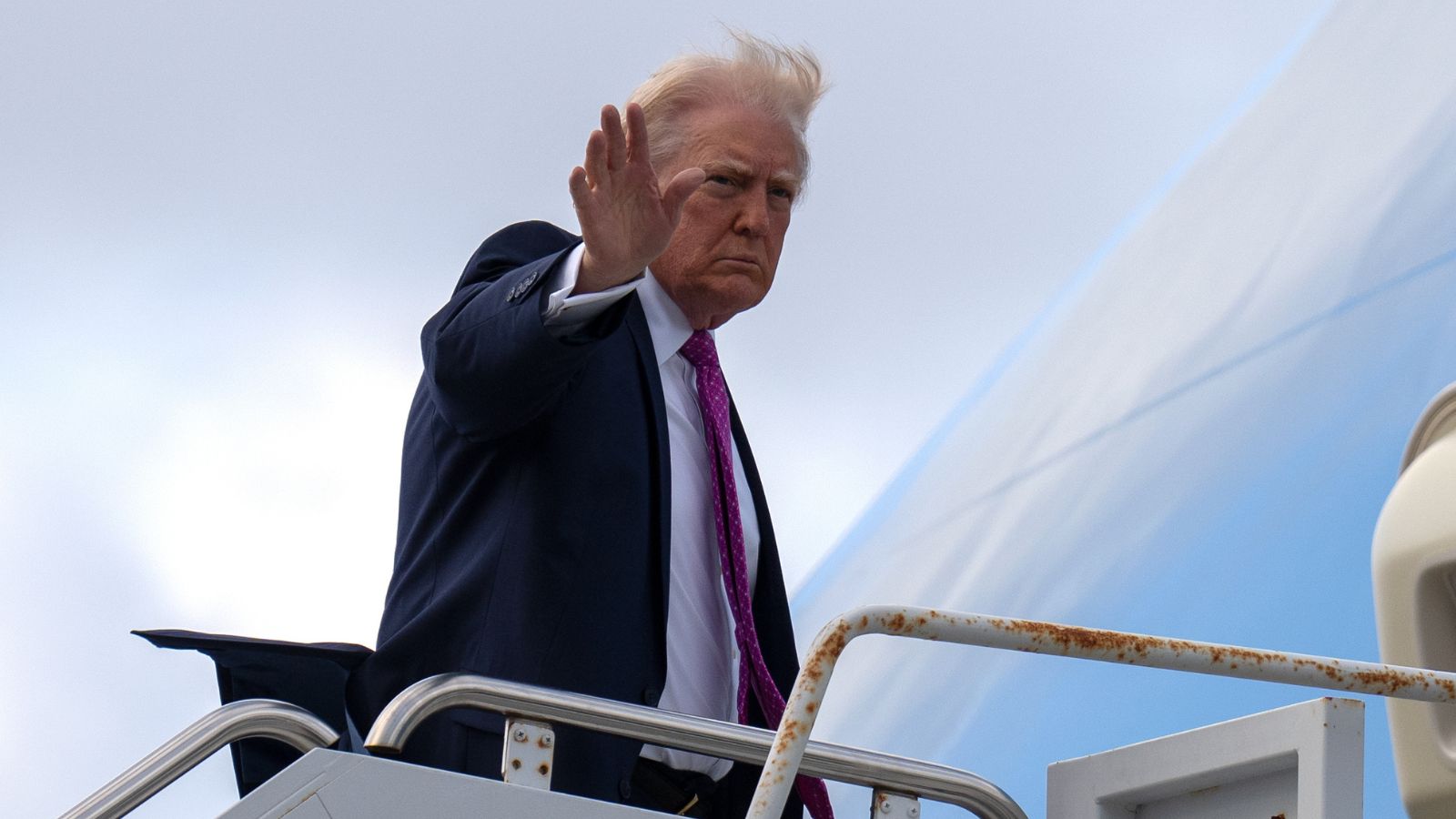
Trump’s doubt about Mojtaba’s status is a classic example of confusing a lack of visibility with a lack of existence. In the world of high-stakes geopolitics, if you can see the gears moving, the machine is broken. The fact that Mojtaba remains an enigma to Western cameras is his greatest strength.
Western observers are obsessed with "transparency." They want press conferences. They want Twitter updates. But the Iranian deep state thrives on opacity. By remaining a cipher, Mojtaba avoids the friction of public accountability while maintaining the absolute authority of the divine. He isn't hiding; he is haunting the system.
The Iraq Gambit: Beyond the Border
Why Iraq? Why now? The competitor's article treats this as a generic diplomatic "thank you" note. That is a naive reading. Iraq is the lungs of the Iranian economy. Under the crushing weight of sanctions, the cross-border trade, the energy deals, and the religious tourism aren't just "foreign relations"—they are a survival mechanism.
When Mojtaba reaches out to Iraq, he is speaking to the Badr Organization, Kata'ib Hezbollah, and the political elite in Baghdad. He is telling them that the checkbook is still open.
- Financial Integration: Iran uses Iraqi banks to bypass SWIFT.
- Security Architecture: The Popular Mobilization Forces (PMF) are the external flank of the IRGC.
- Succession Signaling: By engaging with Iraq, Mojtaba is proving he can handle the most volatile part of the portfolio.
If he were truly incapacitated or dead, the scramble for Iraq would be visible in the streets of Baghdad. Instead, we see a coordinated, measured diplomatic outreach. Dead men don't manage militias.
The Institutional Reality vs. The Personal Narrative
We have this obsession with the "Great Man" theory of history. We think if we remove the head, the body dies. In the case of the Supreme Leader, the head isn't just a person; it's a massive, multi-billion-dollar enterprise.
Imagine a scenario where Tim Cook never appeared in public, but iPhones kept shipping, the stock price stayed steady, and the Apple Stores stayed open. Would we care if he were "alive" or if he were an AI-driven hologram? No. We would care about the dividends. In the Islamic Republic, the dividends are security, religious legitimacy, and regional hegemony.
The Problem with "Common Knowledge"
The common knowledge is that Mojtaba is a mere "prince" who will be overthrown by the IRGC. That is a tired, 1980s-era take. The IRGC is Mojtaba. They have grown up together. They have built the parallel economy together. They have suppressed internal dissent together.
The "insider" view—the one that actually understands the power dynamic—is that the IRGC isn't looking for a leader to follow; they are looking for a figurehead who won't get in the way of their business interests. Mojtaba isn't the commander-in-chief in the traditional sense. He is the Managing Director of a conglomerate called Iran.
Stop Asking "Is He Alive?"
The premise of the question is flawed. It assumes that the personal health of one man is the single point of failure for a 45-year-old revolutionary state. It’s not. It’s a distributed network.
By the time you see Mojtaba Khamenei on a podium, giving a speech to a cheering crowd, the transition will have been over for years. The "support" from Iraq he thanked isn't for his health. It’s for his hegemony.
Stop looking for a pulse and start looking for the money trail. The next time a world leader or a news outlet tells you they "doubt" his existence, ask yourself who benefits from that uncertainty. It’s not the Iranian people. It’s not the Western intelligence services. It’s Mojtaba himself, who gets to operate in the cool, quiet shadows of his father’s legacy until the last lock is turned.
The silence isn't a sign of death. It's the sound of a silent engine running at full speed.