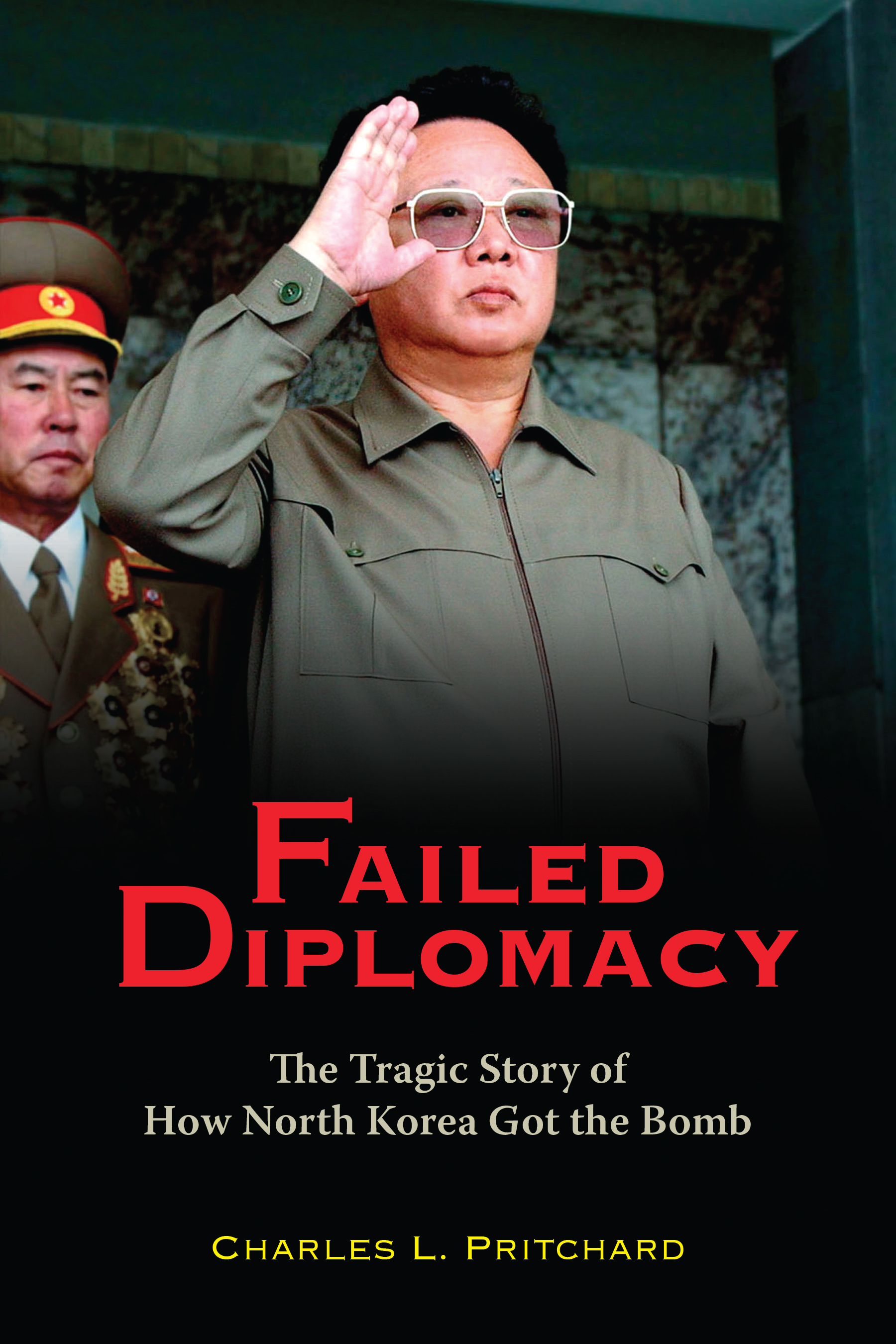
The narrative currently being spoon-fed to the public by anonymous "senior officials" is a masterpiece of historical revisionism. They want you to believe that the gears of diplomacy turned until they stripped, that every stone was overturned, and that military action was the tragic, unavoidable residue of three failed rounds of negotiations.
It is a lie. Not a mistake. A lie.
Those three rounds of negotiations weren't designed to succeed. They were designed to provide a legal and moral runway for an engine that was already roaring. In the world of high-stakes geopolitics, "failure" is often a choreographed outcome. When you hear that negotiations failed, you are actually seeing the successful execution of a strategy to exhaust the clock.
The Performance of Process
Diplomacy is frequently treated as a binary: either it works or it doesn't. This is the first "lazy consensus" we need to gut. In reality, negotiation is often used as a kinetic delay tactic.
I have spent years watching policy architects build these frameworks. They don't go into a room with a mid-tier adversary like Iran expecting a handshake and a signed treaty. They go in to map out the target’s internal red lines, to identify which factions are desperate, and—most importantly—to build a dossier for the international community that says, "We tried."
If you want to understand why these three rounds were a sham, look at the preconditions. If you ask a man to stop breathing before you’ll discuss the price of oxygen, you aren't negotiating. You're issuing a delayed death warrant. The US officials leaking these "failure" stories are simply checking the box for "Just War" theory.
The Intelligence-Industrial Complex Needs the Friction
The status quo logic suggests that the US wants a stable, non-nuclear Iran above all else. That's a Hallmark card version of foreign policy. The truth is more cynical.
The US defense apparatus thrives on the threat of the Iranian nuclear program more than it would thrive on its actual dissolution. A solved problem is a budget cut. A "failing" negotiation is a justification for a $50 billion increase in regional surveillance, carrier group deployments, and the acceleration of cyber-warfare suites.
When negotiations "fail," it’s a win for:
- The Intelligence Community: Which gets a mandate for increased clandestine operations.
- Defense Contractors: Who see the "failed diplomacy" as a green light for procurement cycles.
- Hardliners on both sides: Who use the collapse to purge moderates from their respective domestic circles.
The idea that "military action" is the result of a breakdown in communication ignores the fact that military action is the intended product of this specific factory.
The Tech Gap They Aren't Mentioning
Notice the silence regarding Stuxnet-era kinetic interference. The officials talking to the press focus on the "table"—the talking, the coffee, the binders of drafts. They omit the digital reality.
While the "three rounds" were happening, the real negotiations were occurring via code. We are in an era where kinetic strikes are the clumsy younger brother of digital subversion. If the US were serious about a diplomatic solution, the back-channel focus would be on a shared security architecture for the region. Instead, we see the deployment of sophisticated algorithmic warfare and the strangling of Iranian infrastructure via the SWIFT system.
The "failed" talks provided the necessary noise to mask the signal of an ongoing, undeclared shadow war. By the time the third round ended, the target's leverage had been systematically dismantled by non-diplomatic means.
The Fallacy of the "Last Resort"
"Military action was the last resort."
This is the most tired phrase in the beltway lexicon. It’s mathematically impossible for military action to be a last resort when the economic sanctions (the "first resort") were designed to be unbearable. We use sanctions not to bring people to the table, but to ensure that when they get to the table, they are too weak to negotiate.
Then, when they refuse to sign a document that amounts to total national surrender, we call it a "failure of diplomacy." It’s like breaking a man’s legs and then criticizing his inability to finish a marathon.
Let’s look at the data. In the history of modern conflict, how many "rounds" of negotiations have actually averted a planned regime shift once the gears of the military-industrial complex were engaged? Almost zero. From Iraq to Libya, the "negotiation" phase is merely the period required to move the hardware into position.
What the Press Missed: The Domestic Ploy
Every official leaking this story has an eye on the upcoming election cycle. No leader wants to be seen as the person who "chose" war. They want to be the person who was "forced" into it.
The "Three Rounds" narrative is a domestic insulation strategy. It’s meant to convince the American voter—and the skeptical European allies—that the administration is composed of sober-minded peacemakers who were bullied by reality into launching missiles.
It works because the public wants to believe in the process. We want to believe that the world is run by people who sit in rooms and try to figure things out. We don’t want to admit that the rooms are often empty, and the "agreements" are written by the people who build the bombs.
The Cost of the Pretense
There is a downside to this contrarian view: it admits that we are living in an era of post-truth statecraft. If we acknowledge that these negotiations were a sham, we have to acknowledge that the entire international order is a theater.
But clinging to the "failed diplomacy" narrative is more dangerous. It allows the same actors to use the same playbook for the next conflict. Whether it's the South China Sea or Eastern Europe, the "Three Rounds" model is being dusted off.
- Issue impossible demands.
- Leak "optimism" to the press to keep the public calm.
- Declare "tragic failure" after the third meeting.
- Deploy the drones.
The status quo is a loop. If you want to break it, you have to stop buying the idea that a lack of a signature equals a failure of intent. The intent was never a signature. The intent was the kinetic outcome.
The officials say the negotiations failed. I say they worked perfectly. They provided the cover. They bought the time. They managed the optics.
Stop asking why the talks failed. Start asking who benefited from the "failure."
The military action wasn't the plan B. It was the only plan on the table, and the "three rounds" were just the napkins used to wipe the blood off the silverware.