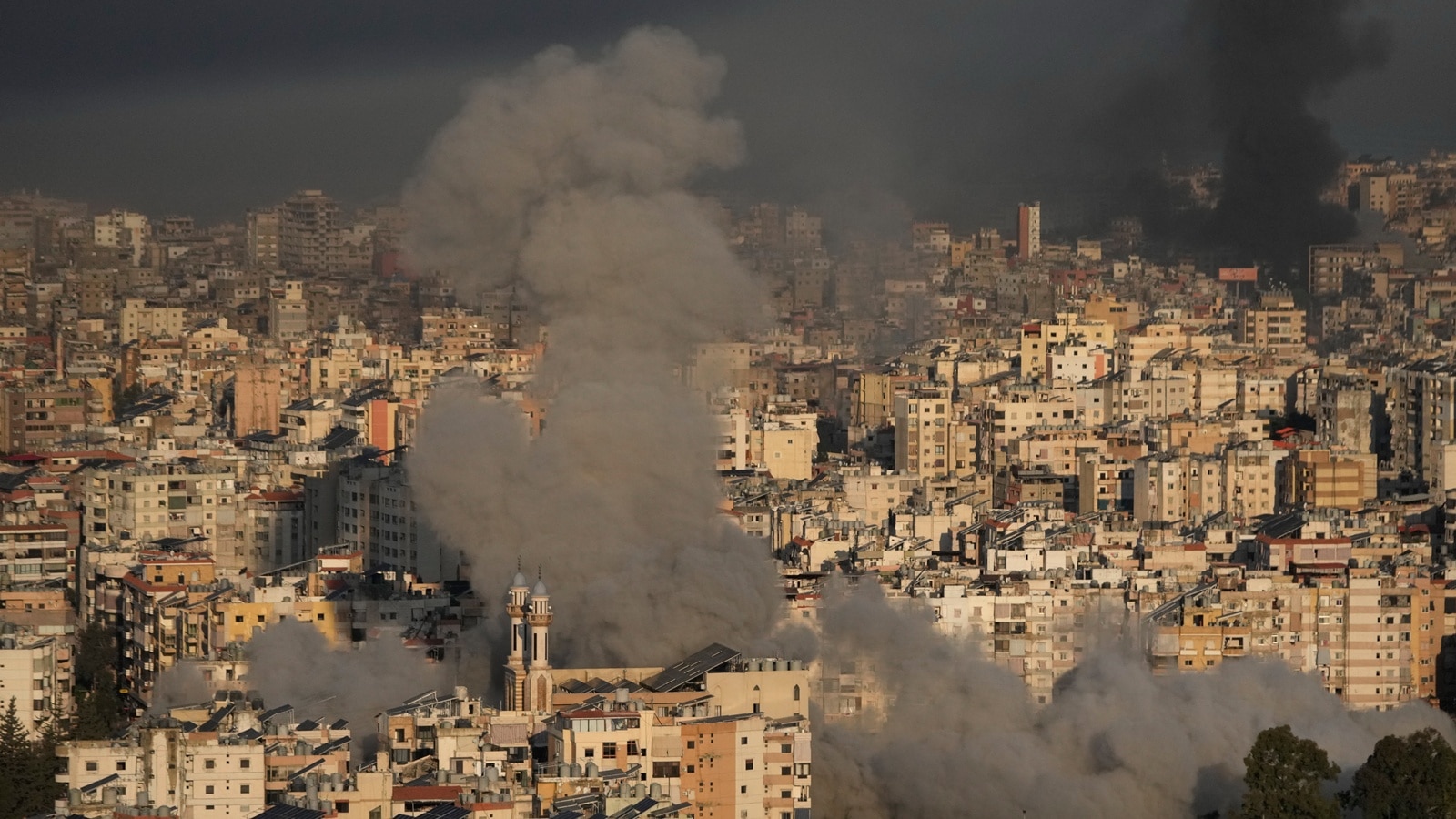
The Middle East isn't just seeing another diplomatic spat; we're watching a massive regional shift in real-time. When the Muslim World League (MWL) uses words like "treacherous aggression" to describe Iran’s drone strike on the U.S. Embassy in Riyadh, they aren't just being dramatic. They’re drawing a line in the sand. This isn't just about a building with a few broken windows and a "limited fire." It’s about the fact that the primary representative body for the global Muslim community has effectively declared Iran’s recent actions as a violation of the faith itself.
On March 3, 2026, two Iranian drones hit the U.S. Embassy compound in the Saudi capital. While the physical damage was luckily minor, the political shrapnel is flying everywhere. This attack happened on day four of an incredibly volatile conflict that has already seen the death of Iran’s Supreme Leader, Ayatollah Ali Khamenei, and U.S.-Israeli strikes hitting targets across Tehran. Learn more on a related topic: this related article.
The Weight of the Muslim World League Condemnation
The MWL doesn't usually jump into the middle of kinetic warfare with this kind of heat. Headquartered in Makkah, this organization carries a specific type of moral authority that a standard government press release just doesn't have. Sheikh Dr. Mohammed bin Abdulkarim Al-Issa, the Secretary-General, didn't hold back. He framed the attack as a blatant violation of religious principles.
Think about that for a second. In a region where religious legitimacy is the ultimate currency, the MWL is saying that Iran’s choice to target a diplomatic mission—on Saudi soil, no less—is un-Islamic. More analysis by NBC News delves into related views on the subject.
The timing is everything. Saudi Arabia has been trying to walk a very thin tightrope. They’ve repeatedly stated they won’t let their airspace or territory be used for strikes against Iran. Yet, Iran hit them anyway. By striking the U.S. Embassy in Riyadh, Tehran didn't just target America; they spit in the face of Saudi sovereignty and the very international norms that protect every diplomat in the world.
Diplomacy Under Fire and the Vienna Convention
If you think international law is just a bunch of dusty papers, the current situation proves why it exists. The Saudi Foreign Ministry was quick to cite the 1961 Vienna Convention on Diplomatic Relations. This is the "golden rule" of global politics: you don't touch embassies. Not even during a war.
Iran's drone strike wasn't a solitary event. It’s part of a wider, desperate retaliatory campaign. They’ve hit the U.S. Embassy in Kuwait. They’ve targeted energy sites in Qatar and the UAE. They even struck an Amazon data center in Bahrain.
But Riyadh is different. Riyadh is the heart of the Islamic world's political and economic power. By attacking a diplomatic target here, Iran is basically telling the world they no longer care about the rules of the game. It’s a "burn the boats" strategy.
What This Means for You and the Region
You might be wondering why a drone hitting a roof in Riyadh matters if you're sitting in London or New York. Here’s why it should keep you up at night:
- Energy Prices: The Strait of Hormuz is effectively a chokepoint right now. Iran has attacked several ships, and energy facilities are under constant threat. If this continues, your gas prices and heating bills are going to skyrocket.
- Regional Widening: This isn't just an "Israel vs. Iran" thing anymore. With Israel moving ground troops into southern Lebanon and Iran hitting targets in every major Gulf state, we’re looking at a multi-front war.
- The Saudi Response: Saudi Arabia has clearly stated they have the "full right" to respond. Up until now, they've shown remarkable restraint. But how many drones can land in your capital before you have to hit back?
A Conflict With No Exit Plan
President Trump has suggested this campaign might last four to five weeks. Honestly, that feels optimistic. When you kill a Supreme Leader and the other side starts lobbing drones at embassies in "neutral" countries, the off-ramps disappear.
The U.S. State Department has already ordered evacuations for non-emergency personnel in Kuwait, Bahrain, Iraq, and Jordan. If you’re a private citizen in the region, the message is clear: get out while the airspace is still even partially open.
The MWL’s stance is a signal to the Iranian people, too. By condemning the "criminal attacks," they’re trying to separate the actions of the IRGC from the broader Muslim identity. They even offered prayers for the protection of the Iranian people from further harm, a subtle way of saying, "Your leaders are the problem, not you."
Moving Forward in a Volatile Reality
If you have business interests or family in the Gulf, the status quo has officially ended. We are in a period of active, high-intensity conflict where traditional "safe zones" like Riyadh or Dubai are now part of the theater.
Keep a close eye on the Saudi Defense Ministry's next moves. If they move from "condemnation" to "interception and retaliation," the global economy is in for a very rough ride.
For those on the ground:
- Monitor Official Channels: Don't rely on social media rumors. Follow the U.S. Mission to Saudi Arabia or your respective embassy for real-time shelter-in-place orders.
- Audit Your Supply Chain: If your business relies on Gulf energy or shipping through the Strait, start looking at alternatives yesterday.
- Watch the MWL: Their rhetoric will tell you how the broader Sunni world plans to align as this war drags on. If they continue to escalate their language, expect more regional cooperation against Tehran.
The "treacherous aggression" isn't just a headline—it’s the sound of the old Middle East order collapsing.

.png?format=1500w)