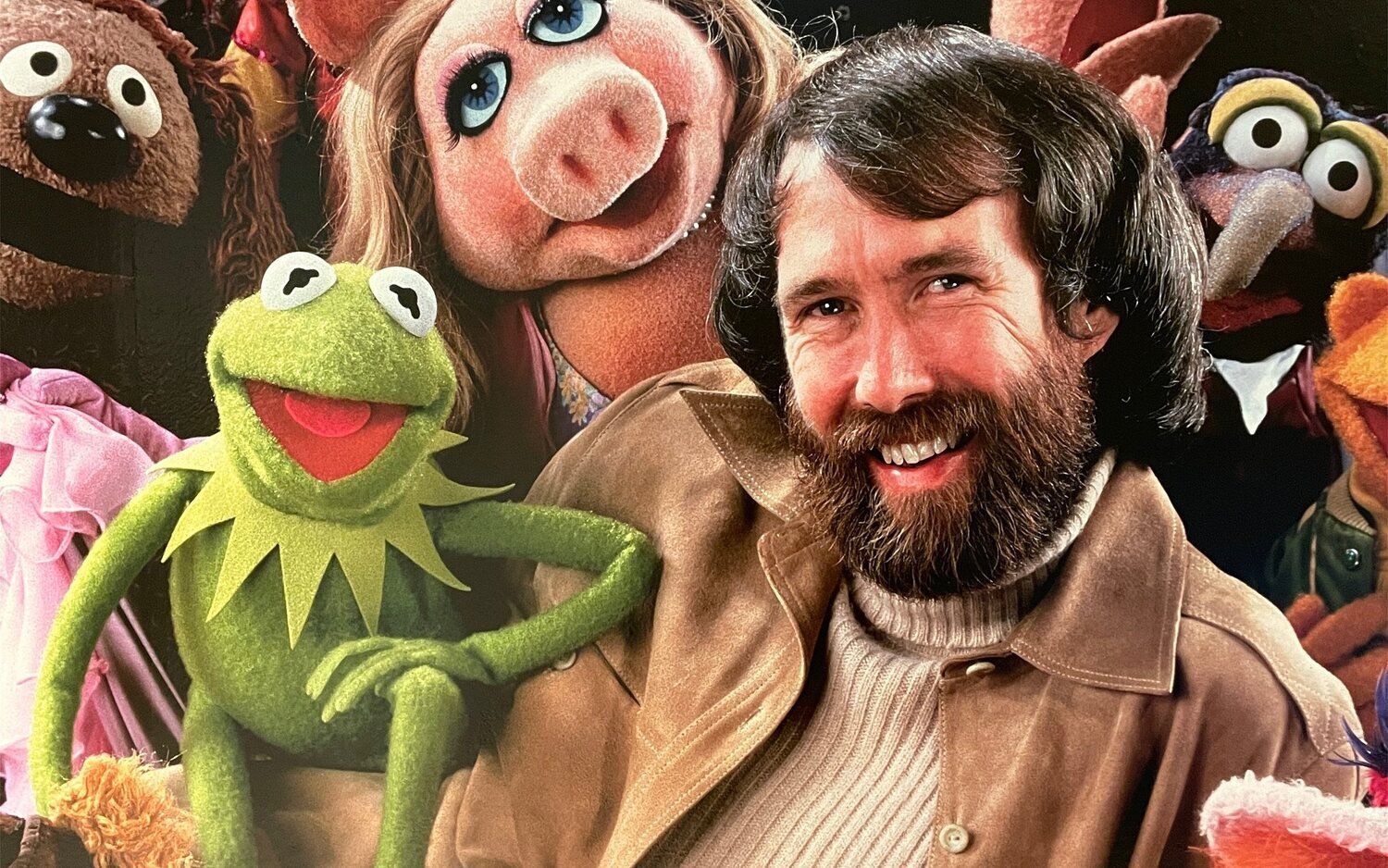
The modern revival of Jim Henson’s Muppet architecture operates on a high-stakes tension between nostalgia equity and brand dilution. When a legacy property returns via a "special" format, it is rarely a mere creative exercise; it is a tactical deployment of high-value intellectual property (IP) designed to test the viability of a permanent ecosystem. The success of such a revival depends on three structural pillars: the retention of anarchic subversion, the technical fidelity of the physical performance, and the strategic reintegration of "deep bench" characters who have been absent from the balance sheet for decades.
The Mechanics of Anarchic Subversion
The original Muppet Show (1976–1981) succeeded because it utilized a meta-narrative framework. It was not a variety show; it was a show about the failure of a variety show. To recapture this "magic," a revival must reconstruct this specific failure state. For another perspective, check out: this related article.
- The Meta-Commentary Loop: The Muppets are most effective when they acknowledge the artifice of their existence. This creates a psychological bond with the audience that transcends traditional character-viewer dynamics.
- The High-Low Contrast: The friction between high-brow guest stars and low-brow chaos (slapstick, explosions, literal "heckling" from Statler and Waldorf) provides the necessary pacing.
- Boundary Erosion: Unlike traditional puppet media, Henson’s model treats the stage and the "backstage" as a single continuous environment.
Revivals often stumble by making the Muppets too wholesome. The "magic" is actually a byproduct of a specific type of controlled cynicism. If the special removes the bite—the feeling that the production is perpetually five seconds away from a total collapse—the IP loses its primary differentiator in a crowded content market.
IP Archeology and the Return of the Deep Bench
The reintroduction of "lost" Muppets represents a calculated move in IP management. Every character in the Henson library carries a specific utility function. Kermit functions as the Executive Center, Piggy as the Conflict Driver, and Fozzie as the Pity Anchor. When a special brings back obscure characters, it is performing "IP Archeology" to solve a specific content bottleneck. Further reporting regarding this has been shared by Deadline.
- The Utility of the Obscure: Lesser-known characters allow writers to bypass the rigid personality constraints of the "Core Seven." While Kermit must always be the voice of reason, a returning background Muppet can be used as a wild card to drive non-linear plot points.
- Generational Re-indexing: For older viewers, these characters act as "authenticity markers." For younger viewers, they represent fresh content that doesn't require the baggage of a 40-year-old backstory.
This reanimation serves a secondary business purpose: it increases the total "active" character count, which in turn boosts merchandising potential and theme park integration. An inactive character is a depreciating asset; a returning character is a refreshed revenue stream.
The Technical Bottleneck of Physical Performance
A significant challenge in any Muppet revival is the Performative Continuity Gap. The Muppets are unique because the character is inextricably linked to the physical hand of the performer. Unlike animated characters, where a voice change can be mitigated by visual consistency, a Muppet’s soul is defined by the specific micro-movements of the puppeteer.
The Physics of Expression
The illusion of life in a Muppet relies on "eye-focus" and "lip-sync" precision. When veteran performers retire or pass away, the new generation of Muppeteers faces a steep learning curve. The "magic" of the original often stemmed from the telepathic chemistry between performers like Henson, Frank Oz, and Jerry Nelson.
The Digital Integration Risk
Modern specials often attempt to use CGI to enhance physical puppets. While this can solve logistical problems (e.g., removing rods or legs in wide shots), it risks entering the "Uncanny Valley." The human brain categorizes Muppets as "living toys." If the digital polish becomes too smooth, the brain re-categorizes them as "cartoons," breaking the tactile connection that defines the brand. The structural integrity of the Muppets is rooted in their analog imperfections.
The Economic Logic of the Variety Special
The choice of a "special" over a full series order is a risk-mitigation strategy. The variety format acts as a pilot program with a self-contained ROI.
- Concentrated Production Costs: Building new sets and restoring vintage puppets is capital-intensive. A special allows these costs to be amortized over a shorter window while gauging audience sentiment.
- Viral Clip Generation: In the current attention economy, the Muppets are built for short-form social media. A musical number or a 30-second sketch has a higher probability of going viral than a serialized plot point. The special serves as a "content farm" for these modular assets.
- The Guest Star Catalyst: A special can attract higher-tier celebrity talent who might not commit to a full season. This provides a temporary "halo effect," lifting the brand's perceived relevance through association.
Assessing the Nostalgia Feedback Loop
Nostalgia is a finite resource. Each time a brand "returns to its roots," it consumes a portion of its historical capital. The danger of the Muppets special is that it can become a closed loop of self-reference.
If the humor relies exclusively on "remember this character?" or "remember this song?", it fails to create new value. The original Muppet Show was a parody of the then-current 1970s entertainment landscape. To be truly authentic to the Henson spirit, a modern revival shouldn't just look like the 1970s; it should apply the 1970s subversive logic to the 2020s.
- The Satirical Target: If the Muppets aren't mocking current media tropes (influencer culture, streaming wars, AI), they are merely museum pieces.
- The Emotional Core: Underneath the chaos, Henson’s work was defined by a radical, almost aggressive, sincerity. Balancing this with the necessary snark is the most difficult needle to thread in the writers' room.
The Strategic Path for IP Sustainability
To move beyond the cycle of "nostalgic specials," the management of the Muppet IP must pivot from preservation to evolution.
- Vertical Integration: Use the Muppets to critique the very platforms they inhabit. A Muppet special on a streaming service should ideally mock the mechanics of streaming services.
- Character Rotation: Allow the core cast to take a backseat to experimental new characters. This prevents "Kermit fatigue" and ensures the brand can survive the eventual transition of its most famous performers.
- Technical Transparency: Lean into the "behind the scenes" aspect. Modern audiences are fascinated by the craftsmanship of practical effects. Integrating the process of puppetry into the narrative of the show creates a new layer of engagement that animation cannot replicate.
The long-term viability of the Muppets depends on their ability to remain "useful" to the cultural conversation. They are not just felt and foam; they are a delivery mechanism for a specific brand of chaotic optimism. If a special succeeds, it isn't because it "brought back the magic," but because it correctly identified the modern stressors that require a chaotic, puppet-based response.
Shift the production focus away from "tribute" content and toward aggressive topicality. The Muppets are not a legacy act; they are a satirical weapon. Use the modular nature of the variety format to test high-concept sketches that can be decoupled from the main IP and distributed as standalone digital assets. This creates a dual-track revenue model: prestige long-form specials for brand anchoring and high-frequency short-form content for market penetration. Ensure that every "returning" character is assigned a clear narrative function that serves the 2026 audience, rather than acting as a static reference to 1978.