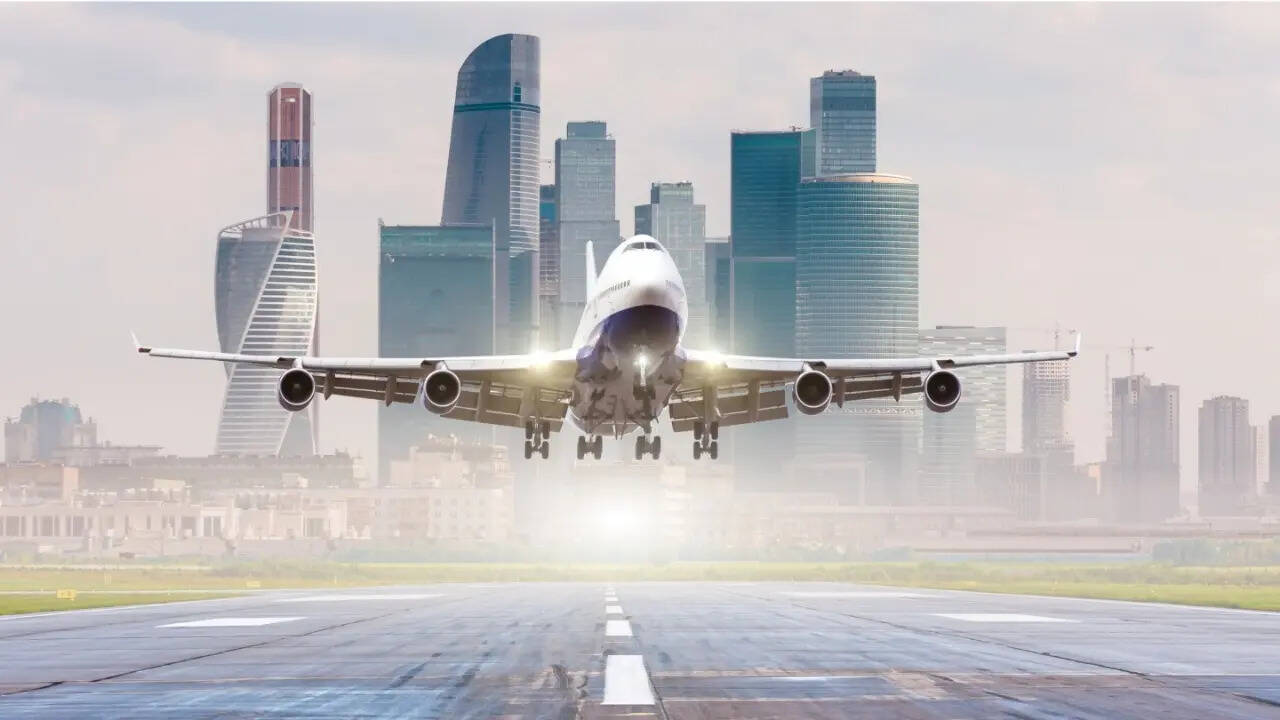
The air inside a long-haul cabin has a specific, stale weight. It smells of recycled oxygen, expensive cologne, and the faint, metallic tang of anxiety. For decades, the transit experience was defined by this sensory deprivation. You sat in a plastic chair in an anonymous terminal, staring at a departure board, trapped in a legal no-man’s land between where you came from and where you were going. You were a ghost in the machine.
But a quiet shift in the desert is changing the physics of the stopover.
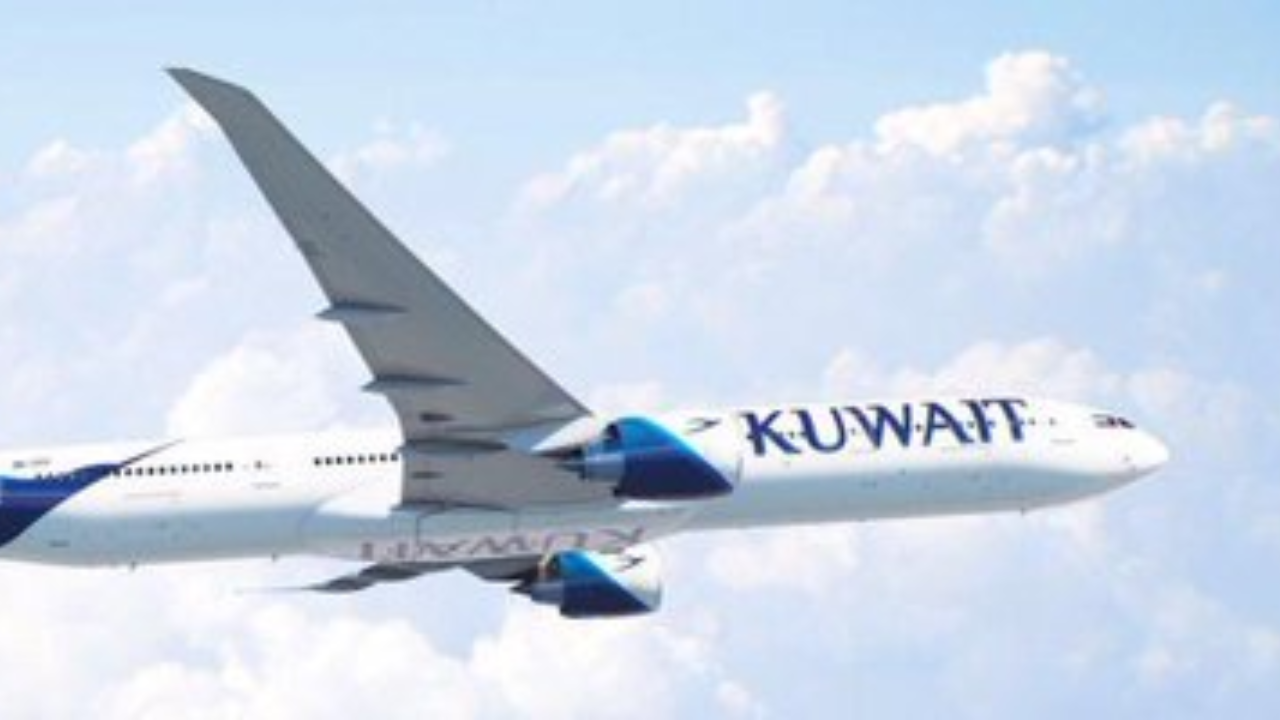
Kuwait Airways has stripped away the friction of the border. By integrating the Saudi Transit Visa directly into the ticket booking process, they have turned a bureaucratic hurdle into a doorway. This isn't just about a PDF document or a digital stamp. It is about the ability to step out of the terminal and breathe the dry, cedar-scented air of the Arabian Peninsula for ninety-six hours.
Consider Omar. He is a hypothetical architect flying from London to Manila, bone-tired and facing a twelve-hour gap in Kuwait. Traditionally, he would have curled up on his carry-on bag, oscillating between shallow sleep and overpriced coffee. Now, because he clicked a single box while buying his ticket, he finds himself standing in the shadow of the Masmak Fortress in Riyadh as the sun dips below the horizon. The sand glows like copper. The calls to prayer echo off ancient mud-brick walls. He isn't just a passenger anymore. He is a witness to a culture.
The Paper Fortress Falls
The old way of traveling was a series of siloes. You bought a ticket. You applied for a visa on a government website that looked like it was coded in 1998. You waited. You prayed the two systems would speak to each other. If they didn't, you stayed in the airport.
The new collaboration between Kuwait Airways and the Saudi Ministry of Foreign Affairs collapses these walls. When you book your flight, the system asks if you want to stop. If you say yes, the visa application is woven into the transaction. You provide your details, pay the fee, and the visa arrives with your e-ticket. It is a unified movement.
To qualify, the requirements are lean. You need a passport with at least six months of validity. You need a confirmed onward ticket. You need a passport-sized photo with a white background—the kind where you look slightly startled, as we all do in official documentation. But the brilliance lies in the execution. There is no separate embassy visit. No mailing off your physical passport to a building in a city you’ve never visited.
The Economics of the Open Door
Why does this matter? On the surface, it’s a convenience. Dig deeper, and it’s a masterpiece of regional strategy. Saudi Arabia is currently engaged in one of the most ambitious cultural rebrandings in human history. They are building cities from scratch and turning historical sites like AlUla into global magnets. But a destination is only as good as its accessibility.
By allowing Kuwait Airways passengers to leak out into the Kingdom for up to four days, Saudi Arabia is effectively running a massive, country-wide "free sample" program. They are betting that once you see the vibrant street life of Jeddah or the gleaming skyscrapers of the capital, you won't just transit next time. You’ll stay.
The stakes for the traveler are equally high. We live in an era of "time poverty." We rush through life to reach the destination, treating the journey as a tax we have to pay. This visa breaks that cycle. It turns a dead zone in a traveler’s itinerary into a value-added experience. It’s the difference between a wasted day and a story you’ll tell for a decade.
Navigating the Digital Mirage
Is it perfect? Nothing in international travel is. There is always the nagging fear of a technical glitch. What if the airline's server doesn't sync with the immigration database? What if the QR code won't scan?
This is where the human element of trust comes in. The system is designed to be self-correcting. Because the visa is linked to the PNR—the Passenger Name Record—the airline has skin in the game. They aren't just transporting a body; they are sponsoring a guest.
If you are planning to use this bridge, there are practicalities to observe. The transit visa is valid for ninety-six hours. That is four days. In that time, you can perform Umrah, visit the ruins of Diriyah, or simply eat the best Al Kabsa of your life in a hidden corner of a local souq. The visa fee is modest, often bundled into the final ticket price, but the psychological cost of not taking the opportunity is far higher.
The Weight of the Suitcase
We often think of travel as a physical act, but it is primarily a mental one. We travel to be surprised. We travel to be reminded that the world is larger than our screens.
In the past, the "layover" was a synonym for boredom. It was the "in-between" time. But as Kuwait Airways and Saudi Arabia bridge their systems, that in-between time is becoming the highlight. Imagine landing in the heat of the afternoon, the jet engines winding down. Instead of following the "Transfers" sign toward a gate with no windows, you follow the "Arrivals" sign toward a city that has been closed to much of the world for a generation.
You walk through immigration. The officer smiles, stamps your paper, and says, "Welcome to Saudi."
The doors slide open. The heat hits you—dry, intense, and full of possibility. You hail a car. You aren't thinking about your 6:00 AM connection to Mumbai or Istanbul or New York. You are thinking about the coffee you’re about to drink, brewed with cardamom and served in a tiny cup that feels like a gift.
The ghost has left the machine. The passenger has become a person again.
The desert doesn't just offer a path through; it offers a place to stand. The transit visa is the key, but the door was always there, waiting for someone to notice that the wall had turned into a gate. As the sun sets over the dunes, casting shadows that stretch toward the horizon, the only question left is whether you’re brave enough to step out of the terminal and see what the night has to offer.