The Middle East just isn't playing by the old rules anymore. On Tuesday, March 24, 2026, the sky over Tehran wasn't just filled with smog; it was filled with the smoke of fresh airstrikes hitting the heart of the Iranian capital. Simultaneously, sirens wailed from Tel Aviv to the oil-rich provinces of Saudi Arabia. We're seeing a massive disconnect between the "talks" happening in high-end hotels and the reality of missiles slamming into apartment buildings.
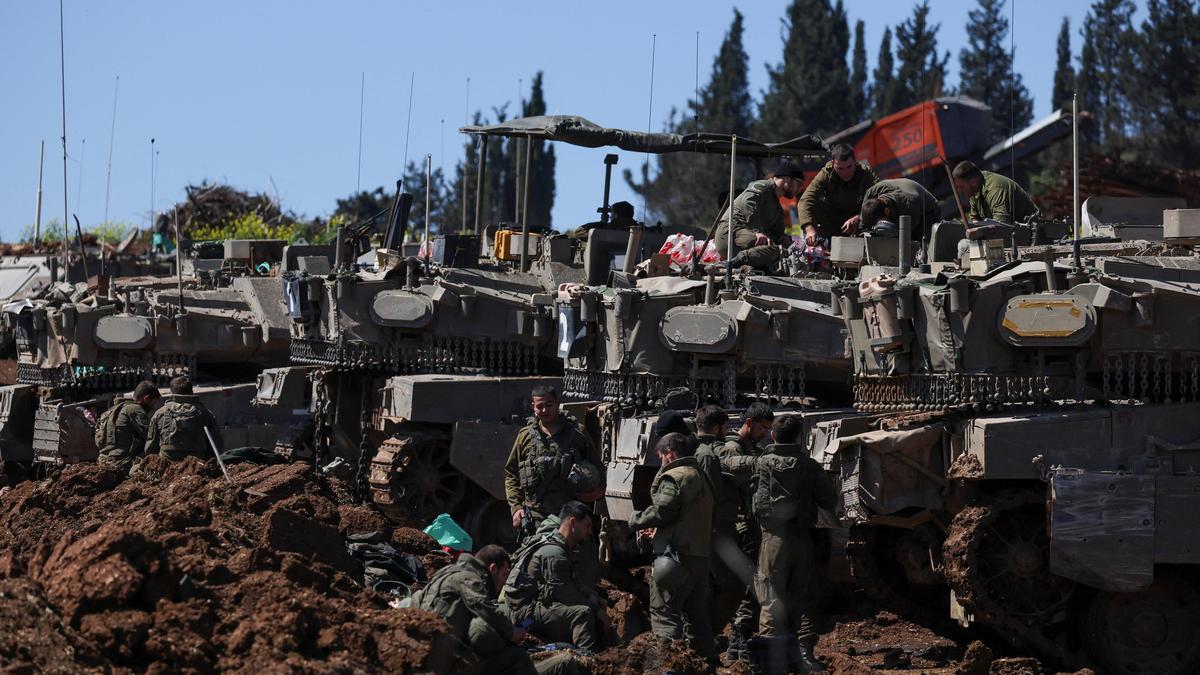
If you're looking for a simple ceasefire story, you won't find it here. President Trump claims the U.S. is in active negotiations with the Islamic Republic to end the war, but Tehran is calling that "fake news." While the politicians post on social media, thousands of U.S. Marines are steaming toward the Gulf, expected to arrive by Friday.
The strategy is clear: talk loudly while moving a very big stick into position.
The Myth of a Quiet Ceasefire
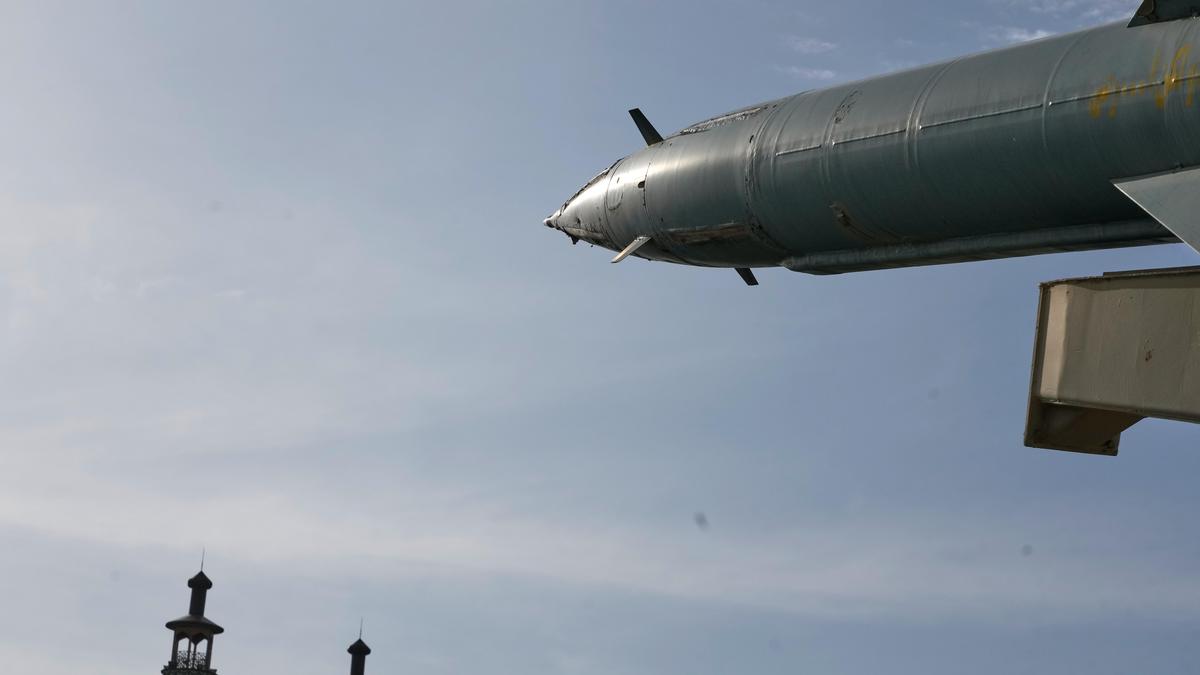
Don't let the headlines about "tentative talks" fool you. While President Trump has temporarily delayed his threat to bomb Iran's power stations, the military tempo hasn't slowed down. Iran responded to the latest strikes on its "production sites" by firing multiple waves of ballistic missiles at Israel.
One 100-kilogram warhead managed to evade Tel Aviv's air defenses, blowing out windows in the city center. It’s a miracle the casualties were low. But this isn't just about Israel and Iran anymore. The conflict has bled into every corner of the Gulf, turning neighbors into targets.
The Gulf States in the Crosshairs
Iran is playing a dangerous game of regional extortion. By targeting infrastructure in "non-belligerent" countries, Tehran is trying to force the world to blink.
- Saudi Arabia: Intercepted 19 drones targeting its Eastern Province.
- United Arab Emirates: Faced five ballistic missiles and 17 UAVs in a single day.
- Kuwait: Experienced partial blackouts after air defense shrapnel hit power lines.
- Bahrain: Reported missile and drone alerts as sirens became a daily reality.
The message from Tehran is blunt: if our lights go out, yours do too. This isn't just rhetoric. Brent crude oil has already nudged back over $100 a barrel, a 40% jump since the war started on February 28. If the Strait of Hormuz remains under a "chokehold," we're looking at a global economic shock that makes the 1970s look like a minor hiccup.
Who is Actually Running Iran?
One of the biggest obstacles to peace is that nobody is quite sure who has the authority to sign a deal. Israel has been incredibly effective at "decapitating" the Iranian leadership. After the strike that killed several top officials, including Ali Larijani, the new Supreme Leader, Mojtaba Khamenei, hasn't been seen in public.
On Tuesday, Iran named a former Revolutionary Guard commander as the new secretary of the Supreme National Security Council. This suggests the military, not the diplomats, is calling the shots. When the Iranian Foreign Ministry says they’re talking to Azerbaijan and Russia, and the Parliament Speaker says negotiations are a lie, you know the internal power struggle is reaching a boiling point.
The Lebanon Breakup
In a move that would have been unthinkable two years ago, the Lebanese government has basically told Iran to get out. They've ordered the Iranian ambassador to leave by Sunday, declaring him persona non grata. Lebanon is tired of being the playground for the Revolutionary Guard and Hezbollah.
Israeli strikes on Beirut have already killed over 1,000 people and displaced a million. The Lebanese government is now openly accusing Tehran of dragging them into a war they didn't ask for. It's a massive shift in regional dynamics that the "big picture" analysts often miss.
What it Means for the Rest of Us
We're currently in a holding pattern that expires on Friday when those U.S. Marines arrive. Trump's "offramp" might just be a tactical pause to let his forces get into place. Honestly, the global economy is hanging by a thread. The International Energy Agency warns that we've already lost 11 million barrels of oil per day. That’s more than the 1973 and 1979 oil shocks combined.
If you’re waiting for things to "get back to normal," you’re looking at the wrong map. The "Second Iran War" has fundamentally shifted how energy moves through the Middle East.
How to Track the Escalation
If you want to know which way the wind is blowing, watch these three indicators over the next 48 hours:
- The Friday Arrival: When the U.S. Marines reach the Gulf, does Trump escalate the "Power Plant" threat or use them as leverage for a real sit-down?
- The Hormuz Tolls: Watch if Iran starts physically seizing ships or implementing their "tolls and taxes" plan. This is their last economic lever.
- The Israeli Ground Game: Netanyahu has hinted that ground forces could participate. If Israeli boots hit Iranian soil, all bets are off.
Keep an eye on the price of Brent crude. If it breaks $120, the diplomatic window has likely slammed shut for good.