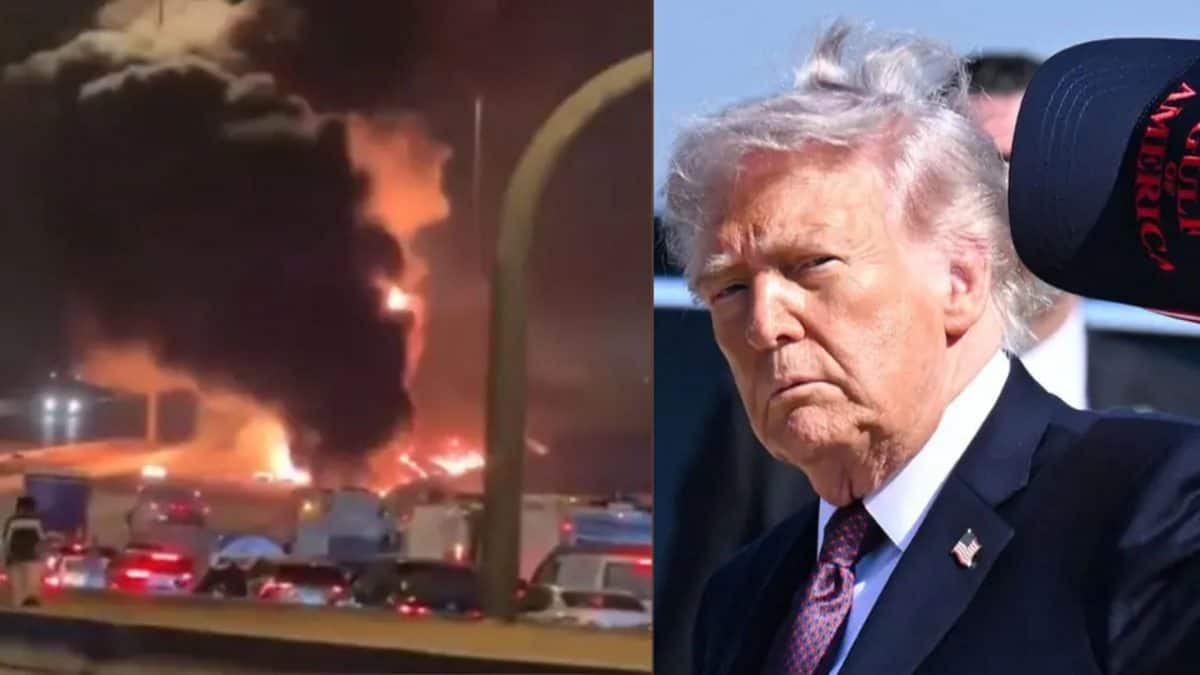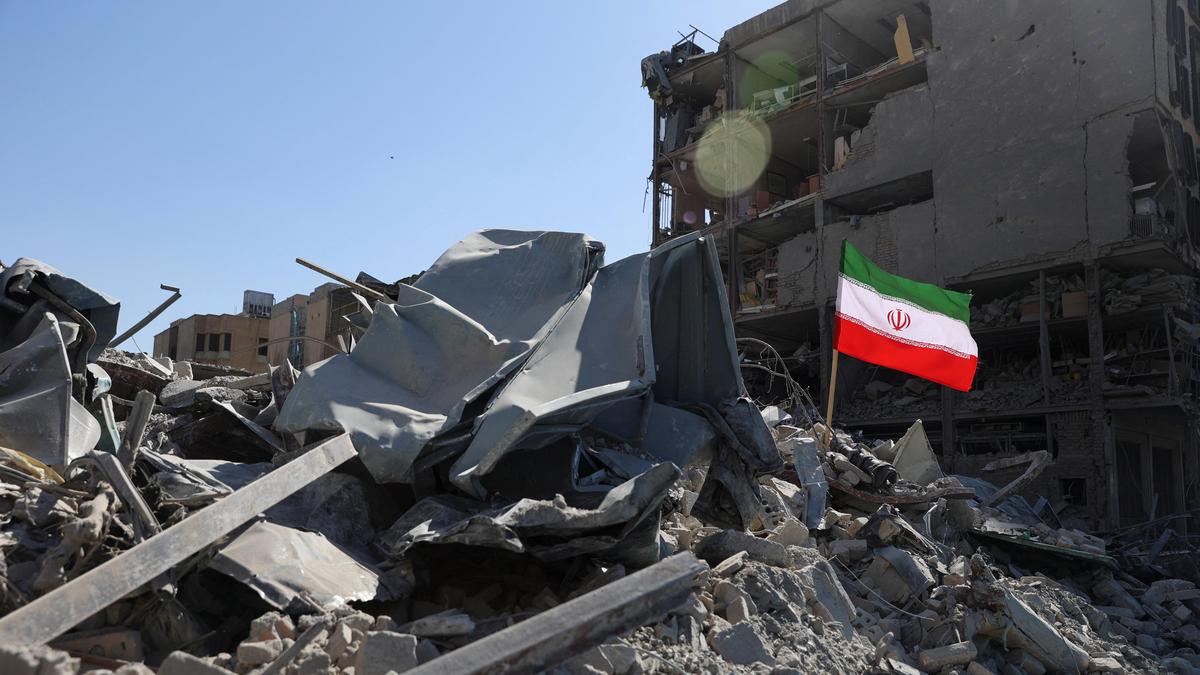
The Middle East isn't just on the brink anymore—it’s falling over the edge. Wednesday marks day five of a conflict that has rapidly morphed from a "targeted operation" into a multi-front regional disaster. If you've been watching the headlines, you've seen the words "escalation" and "retaliation" repeated until they've lost all meaning. But let's look at what's actually happening on the ground in Tehran, Beirut, and across the Gulf. This isn't just another border skirmish; it’s a systematic attempt by Israel and the US to dismantle the Iranian regime’s power structure while the world watches the fallout in real-time.
The systematic dismantling of Tehran
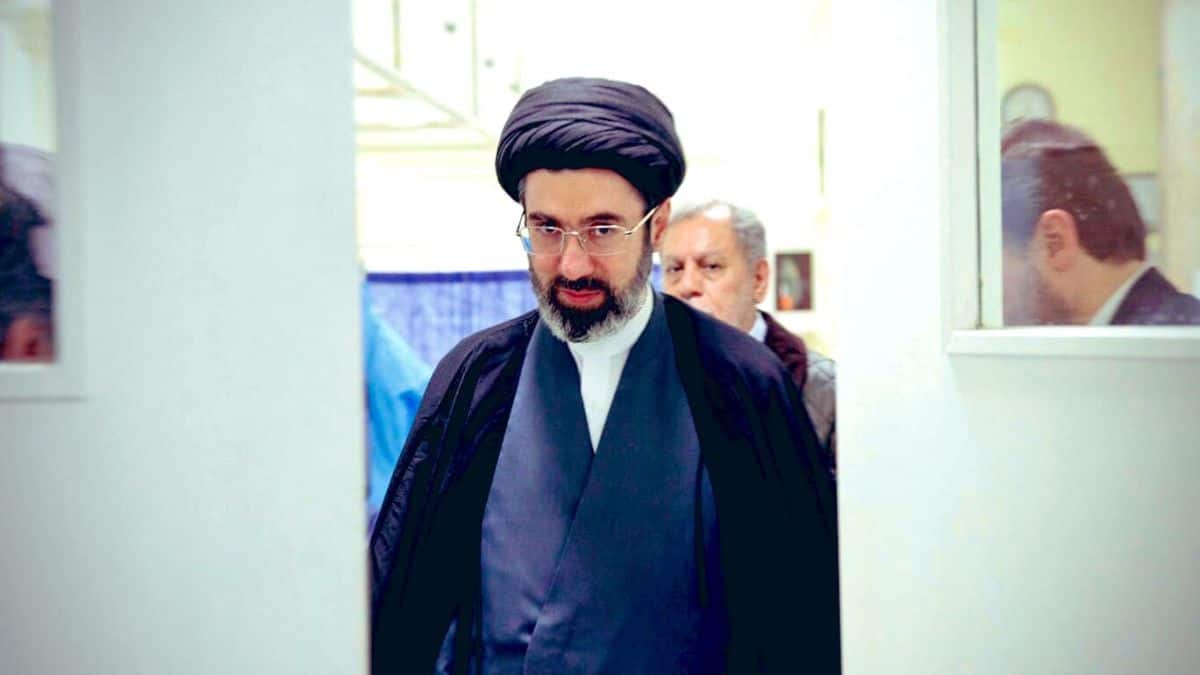
Israel and the US aren't just hitting random military bases. They're going for the jugular. Since the conflict began on February 28, 2026, with the assassination of Supreme Leader Ali Khamenei, the strategy has shifted toward creating a total leadership vacuum. Overnight, Israeli jets hammered the Assembly of Experts building in Tehran. That’s the group responsible for picking the next Supreme Leader. By hitting them, Israel is essentially saying there won't be a peaceful transition of power.
Israeli Defense Minister Israel Katz didn't mince words. He stated that anyone chosen to succeed Khamenei is a "target for elimination." It’s a brutal, direct threat that leaves the Iranian government scrambling. While the regime tries to project strength, the reality inside the capital is grim. ATMs are out of cash. Shops in the Tajrish district are shuttered. Communications are spotty at best.
The Lebanese front opens up
For months, there was a shaky truce with Hezbollah. That’s gone now. Hezbollah officially entered the fray on Monday, launching drones and rockets into northern Israel as "revenge" for Khamenei. Israel’s response was immediate and massive.
The IDF has already moved ground troops into southern Lebanon, marking a significant shift in the war’s geography. They’ve warned residents of over 80 villages to evacuate immediately. This isn't just a "mop-up" operation; it’s an attempt to push Hezbollah back past the Litani River for good. Beirut’s southern suburbs, once a Hezbollah stronghold, are being turned into "ghost towns" by relentless airstrikes.
Chaos in the Gulf and the Strait of Hormuz
While the fighting is concentrated in Iran and Lebanon, the economic shocks are hitting the entire world. Iran has followed through on its long-standing threat to close the Strait of Hormuz. One-fifth of the world’s oil passes through that narrow waterway. Brig Gen Ebrahim Jabbari, an adviser to the Revolutionary Guard, vowed that any ship trying to pass would be "set on fire."
This isn't an empty threat. Several ships have already been attacked, and global oil and gas prices are predictably soaring. But it's not just about oil. Iran has expanded its retaliation to target US allies across the Gulf:
- Drone attacks on the US embassy in Riyadh, Saudi Arabia.
- Missile strikes on Amazon data centers in the UAE and Bahrain.
- Targeted strikes on energy facilities in Qatar.
The message from Tehran is clear: if we go down, we’re taking the region's economy with us.
The nuclear factor and the IAEA's warning
The elephant in the room is still Iran’s nuclear program. The UN’s nuclear watchdog, the IAEA, confirmed that the Natanz enrichment site has sustained damage. While they claim there’s no immediate radiological threat, the fact that a nuclear site is now a kinetic target changes the stakes of this war. Israel claims Iran was building "new, underground sites" for atomic bombs, a claim they've used to justify the intensity of the strikes on Natanz and the Fordow facility.
What's actually at stake here
President Donald Trump has outlined four goals: destroy Iran’s missiles, wipe out its navy, stop its nuclear program, and end its support for groups like Hezbollah and Hamas. It sounds straightforward on paper, but the human cost is already staggering. Nearly 800 people are reported dead in Iran alone. In Lebanon, the government is trying to distance itself from Hezbollah’s "irresponsible" actions, but they’re getting hit anyway.
[Image showing the command structure of the Iranian Revolutionary Guard and the impact of recent leadership assassinations]
The US administration is betting on "regime change" from within, hoping the Iranian people will seize this moment to topple a weakened government. But history shows that foreign intervention often has the opposite effect, rallying a population around a flag—even if they hate the people flying it.
If you’re tracking this conflict, don't just look at the daily strike counts. Watch the Strait of Hormuz and the leadership struggle in Tehran. Those are the two factors that will determine if this war lasts weeks or turns into a years-long regional conflagration. Keep your eyes on the moving parts in southern Lebanon too; a full-scale ground invasion there would mean a total shift in resources and a much higher casualty count for all sides involved.