Don't expect the usual back-and-forth between the White House and the press corps to stay civil during wartime. We're past the point of simple "he said, she said" bickering. Right now, the Trump administration is effectively drawing a line in the sand: you're either with the mission or you're "fake news" working for the enemy. It’s a high-stakes standoff that has journalists looking over their shoulders and government regulators reaching for their pens.
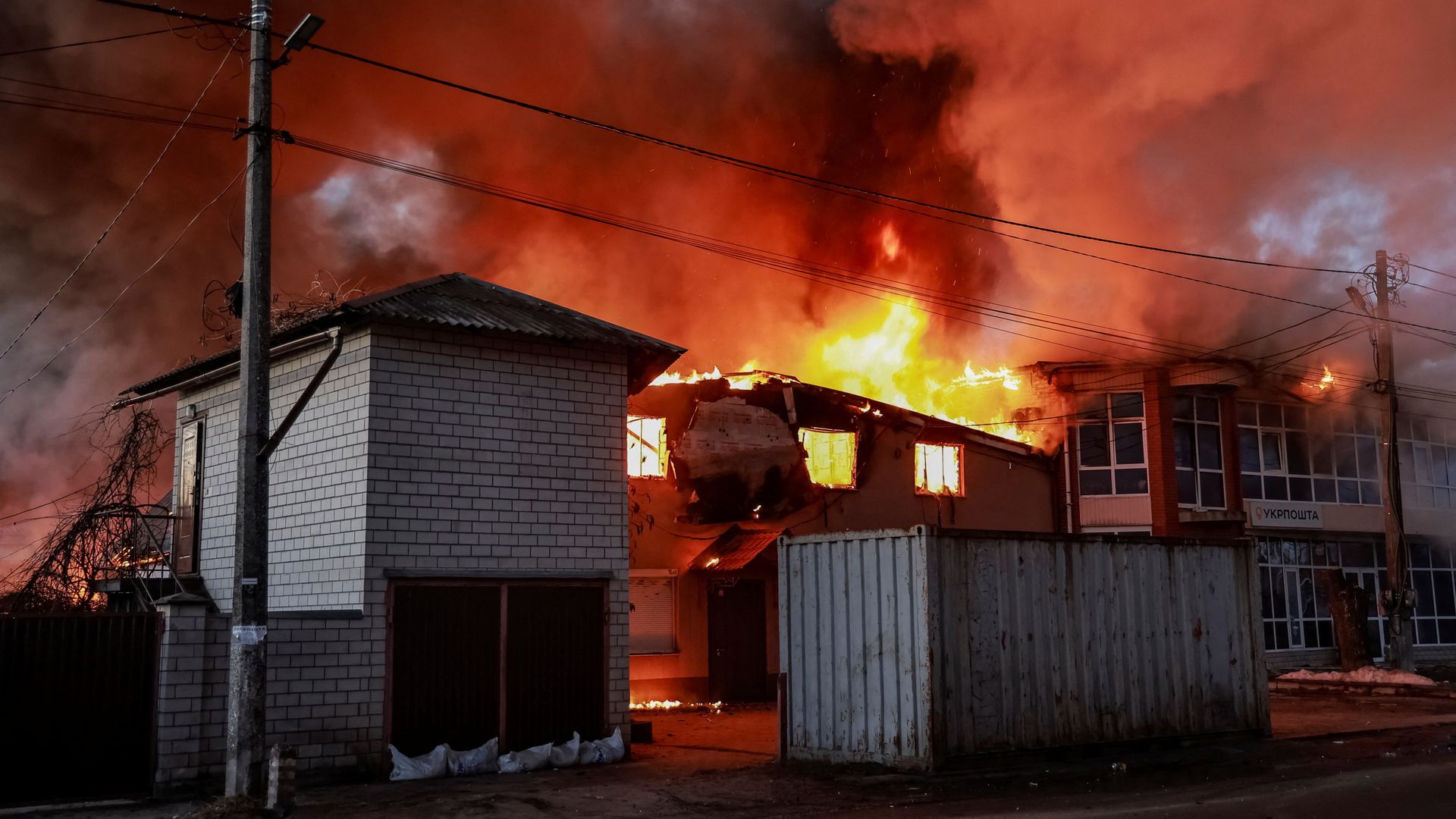
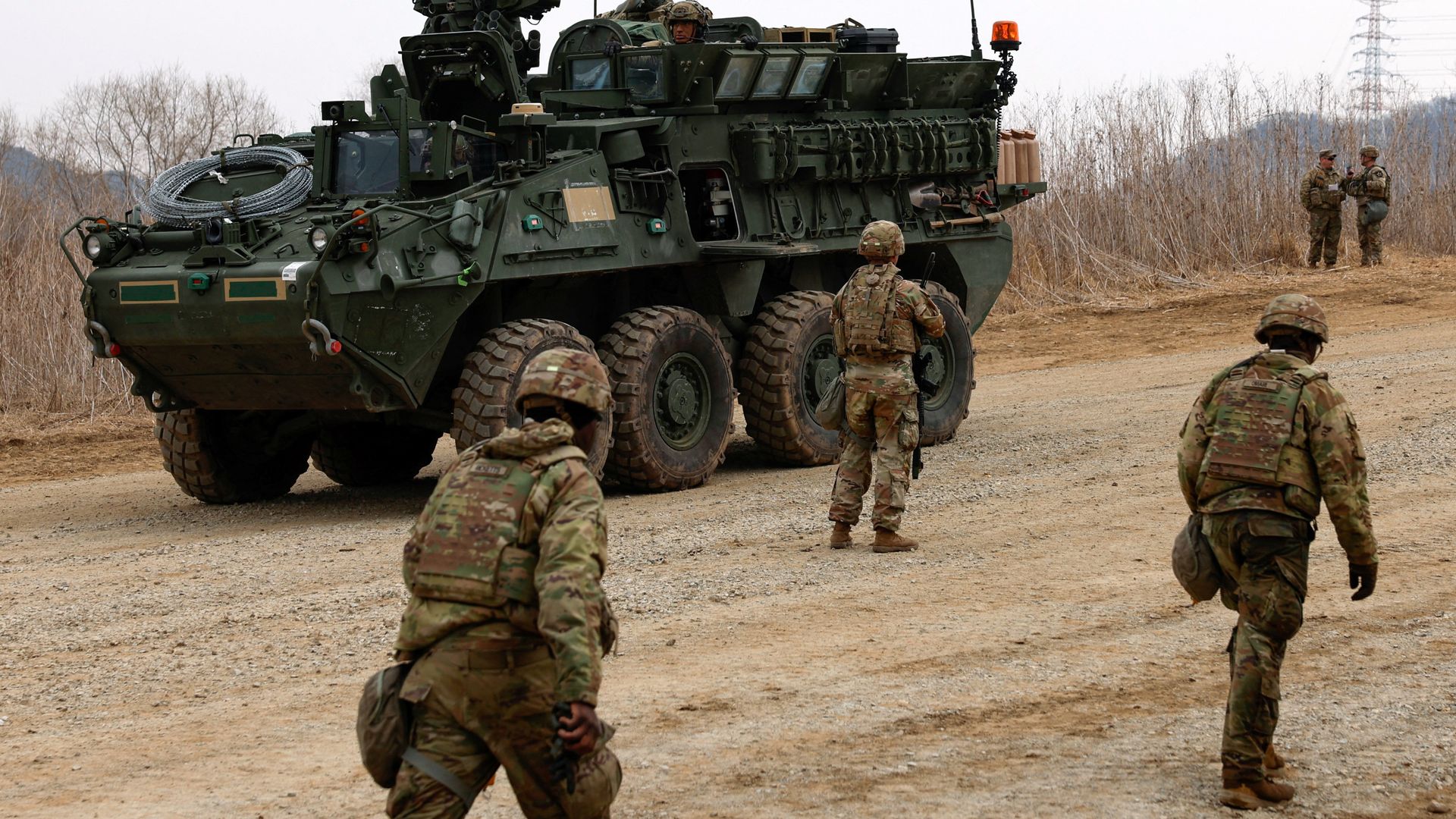
The tension reached a boiling point this week. It isn't just about mean tweets anymore. We're seeing a coordinated effort from the highest levels of the executive branch to shape the narrative of the ongoing conflict with Iran. If you've been following the headlines, you've seen the President and his top officials skip the traditional briefings to lambaste specific outlets for reporting on American military setbacks.
Why the FCC is Suddenly a Household Name
In a move that’s sending chills through newsrooms, Federal Communications Commission (FCC) Chair Brendan Carr has entered the fray. This isn't just bureaucratic noise. Carr explicitly warned broadcasters that they need to "correct course" before their license renewals come up.
Think about that. The guy who oversees the airwaves is suggesting that if a station runs what the administration deems a "hoax" or "distortion"—specifically regarding the war—they might lose their right to broadcast entirely. It's a massive escalation.
Carr’s comments weren't made in a vacuum. He was backing up a Truth Social post from the President that attacked the New York Times and the Wall Street Journal. The specific gripe? Reporting on five U.S. tanker planes damaged in Saudi Arabia. The administration says the damage was minimal; the "papers" say otherwise. To Carr, reporting the "wrong" version of that story is a violation of the "public interest."
The Pentagon vs the Press Gallery
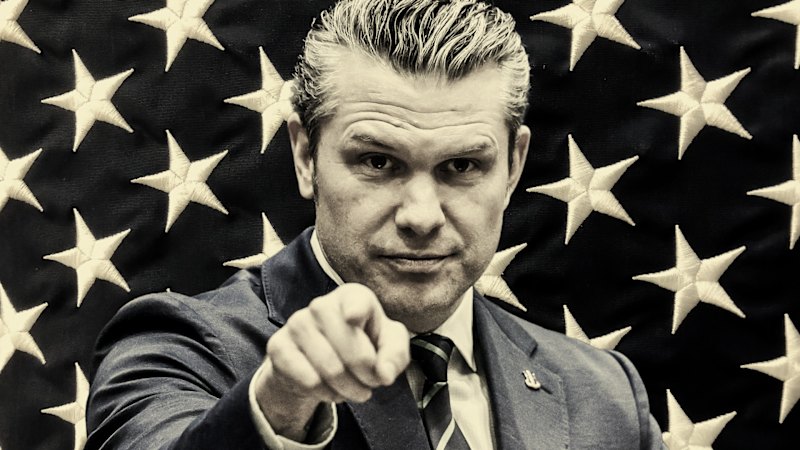
Over at the Pentagon, Defense Secretary Pete Hegseth is running his own campaign against the media. He’s been vocal about his distaste for "unpatriotic" headlines. Hegseth even went as far as suggesting his own headlines to reporters. Instead of "Mideast war intensifies," he thinks they should run "Iran increasingly desperate."
It’s an aggressive attempt to manage perception. Hegseth, a former TV host himself, knows exactly how those banners at the bottom of the screen influence public opinion. By attacking the "visuals" of the war—like footage of civilian areas hit by strikes—the administration is trying to keep the focus solely on military "successes."
The CNN Conflict
CNN has become a primary target. Recently, the White House slammed the network for airing a statement from Iran’s new Supreme Leader. The administration's logic is simple: giving any airtime to the "murderous regime" is equivalent to being their propaganda arm. CNN’s defense is that the world needs to see how the other side is reacting to a war that's shaking global markets.
What’s Actually at Stake for Journalists
The legal reality is complicated. The FCC doesn't actually license TV networks like ABC or CBS; it licenses individual local stations. But the threat alone creates a "chilling effect."
- Self-Censorship: When an agency head talks about pulling licenses, producers start thinking twice about airing that controversial report.
- Access Denied: We’ve already seen a shift in who gets to ask questions at the Pentagon. Legacy reporters are being pushed to the back while "friendly" outlets get the front-row seats.
- Constitutional Battles: Legal experts are already screaming that this is a blatant violation of the First Amendment. But court cases take years. A license renewal happens much faster.
Misconceptions About Media Regulation
A lot of people think the government can just "shut down" a news outlet if they lie. It’s not that easy. The FCC has a "news distortion policy," but it’s historically been almost impossible to enforce because of free speech protections. To actually pull a license, the government has to prove "intent to deceive." Reporting a different version of a military strike isn't usually enough to meet that bar.
But we aren't in usual times. The administration is using the threat of regulation as a weapon. They don't necessarily need to win a court case to win the narrative war. If they can make the "legacy media" look like "lowlife" liars to their base, they’ve already succeeded.
Navigating the Noise
So, how do you know what’s real? When the government and the press are at each other’s throats, the truth usually lives somewhere in the middle of the chaos.
- Check multiple sources: Don't just stick to one network. Look at international outlets like the BBC or Al Jazeera to see how they're framing the same events.
- Look for the "Why": If a headline seems overly glowing or overly apocalyptic, ask who benefits from you believing it.
- Watch the regulators: Keep an eye on the actual filings at the FCC. If they actually start moving against a station's license, that’s the "red line" for press freedom.
The administration isn't backing down. They're convinced the media is trying to make them lose. The media is convinced the administration is trying to hide the true cost of the war. It's a cycle that isn't ending anytime soon. Stay skeptical and keep your eyes on the license renewal dates—that’s where the real fight will happen.