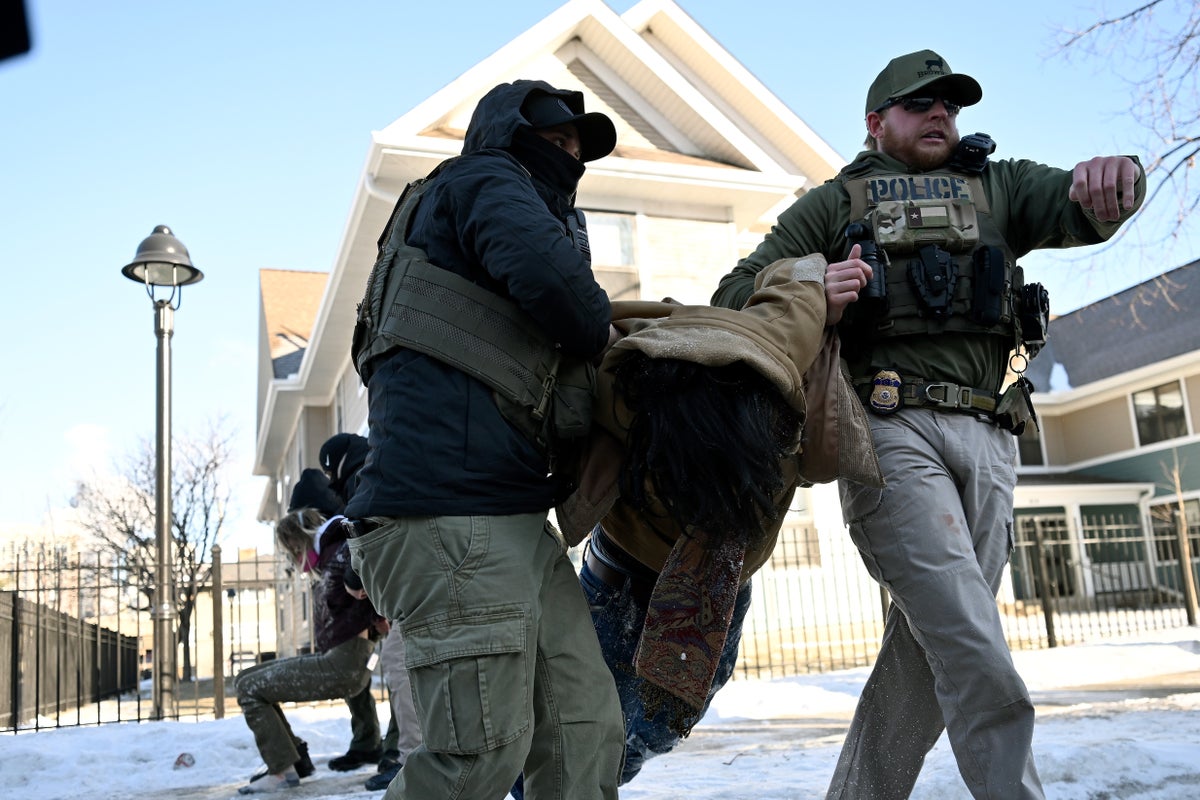
When an ICE van pulls onto a residential street in Chicago or Los Angeles, the immediate image is one of flashing lights and neighborhood panic. People focus on the human heartbreak. They talk about the moral implications of family separation. But there's a quieter, more calculated disaster happening simultaneously that rarely makes the front page. Your local tax dollars are evaporating.
Recent data from organizations like the Center for Popular Democracy and various municipal audit reports show a staggering trend. Federal immigration enforcement isn't a "free" federal service provided to cities. It’s an unfunded mandate that drains local coffers, pulls police away from solving violent crimes, and leaves a trail of economic wreckage in its wake. We’re talking about millions of dollars in lost revenue and increased municipal expenses every time a major deployment hits a metro area.
Why local budgets bleed during federal enforcement
Federal agents don't work in a vacuum. When they show up, they rely on local infrastructure. Even in "sanctuary" cities that limit direct cooperation, the ripple effects hit the city's bottom line immediately.
The most direct hit comes from the sudden spike in emergency services. When a raid happens, local police and paramedics are often the first ones called by terrified neighbors or bystanders. This isn't theoretical. Research into the 2018-2019 surges showed that local law enforcement agencies often spent thousands of unbudgeted hours managing the periphery of federal actions. They aren't arresting "bad guys" during these hours. They're managing traffic, responding to 911 calls from panicked residents, and dealing with the fallout of vacated properties.
It's a resource drain. You're paying for a local beat officer to sit at a perimeter for a federal operation they didn't even plan. That’s money that should be going toward investigating burglaries or keeping parks safe.
The hidden cost of a vanishing workforce
The economic impact goes much deeper than just the police budget. Immigrant communities are the backbone of the service, construction, and agricultural sectors in most major American cities. When ICE deployments ramp up, people don't just stop being undocumented; they stop going to work. They stop shopping.
Look at the numbers from cities like Nashville or Charlotte. After major enforcement actions, local businesses reported immediate revenue drops of 10% to 20%. Why? Because a huge segment of the population is too scared to leave their houses. This isn't just a loss for the shop owners. It’s a loss for the city in the form of sales tax revenue.
Empty chairs and lost state funding
Schools are another massive, often overlooked financial victim. In many states, school funding is tied directly to daily attendance. When parents keep their kids home because they're afraid of a checkpoint on the way to school, the district loses money. Every single day. In some California districts, a week of low attendance following a raid can result in hundreds of thousands of dollars in lost state aid.
That’s money that pays for textbooks, lunches, and teachers for everyone's kids. Not just the kids of immigrants. The federal government creates the chaos, but the local school board is the one that has to figure out how to cover the shortfall.
Legal fees and the litigation trap
Cities also face a mountain of legal bills. When ICE agents overstep—which happens more often than the agency likes to admit—localities often get dragged into the resulting lawsuits. Whether it's a claim of wrongful detention involving a local jail or a civil rights violation where local police were present, the city’s legal department has to clock in.
Defending these cases costs a fortune. Even if the city wins, the bill for outside counsel and staff hours adds up. It's a classic example of "pass the buck" governance. The feds set the policy, but the city pays the lawyers to deal with the messy reality of it.
The real numbers behind the chaos
Let’s be blunt about the scale here. A study looking at the impact of enforcement found that even a modest increase in the local deportation rate can lead to a multi-million dollar contraction in a city's GDP. In a place like Houston or Miami, that number can easily climb into the tens of millions.
It’s not just about the people being removed. It’s about the "chilling effect" on the survivors. People pull their money out of banks. They stop paying into local utilities because they're preparing to flee. They avoid seeking preventative healthcare at city clinics, which eventually leads to more expensive emergency room visits that the public hospital system has to subsidize.
It's an incredibly inefficient way to run a country. You're essentially sabotaging the economic engines of your most productive cities to satisfy a federal enforcement quota.
What you can actually do about it
If you’re a local policymaker or a concerned resident, stop thinking about this as just a social issue. It’s a fiscal one.
- Demand an audit of "cooperation costs." Ask your city council to track exactly how many man-hours and local dollars are spent supporting or responding to ICE activities. You can't fix what you don't measure.
- Strengthen "bright line" policies. The clearer the separation between local services and federal enforcement, the less the city gets dragged into the financial and legal quagmire.
- Support local legal defense funds. It sounds counterintuitive to spend more money, but providing legal counsel to those facing deportation actually stabilizes the community. It keeps families together, keeps workers in their jobs, and keeps that sales tax revenue flowing.
The federal government isn't going to send a check to cover the chaos they leave behind. Cities have to protect their own interests. Stop letting your local budget be a casualty of federal theater. It's time to prioritize the fiscal health of our neighborhoods over the performative tactics of a federal agency that doesn't have to balance a local checkbook.