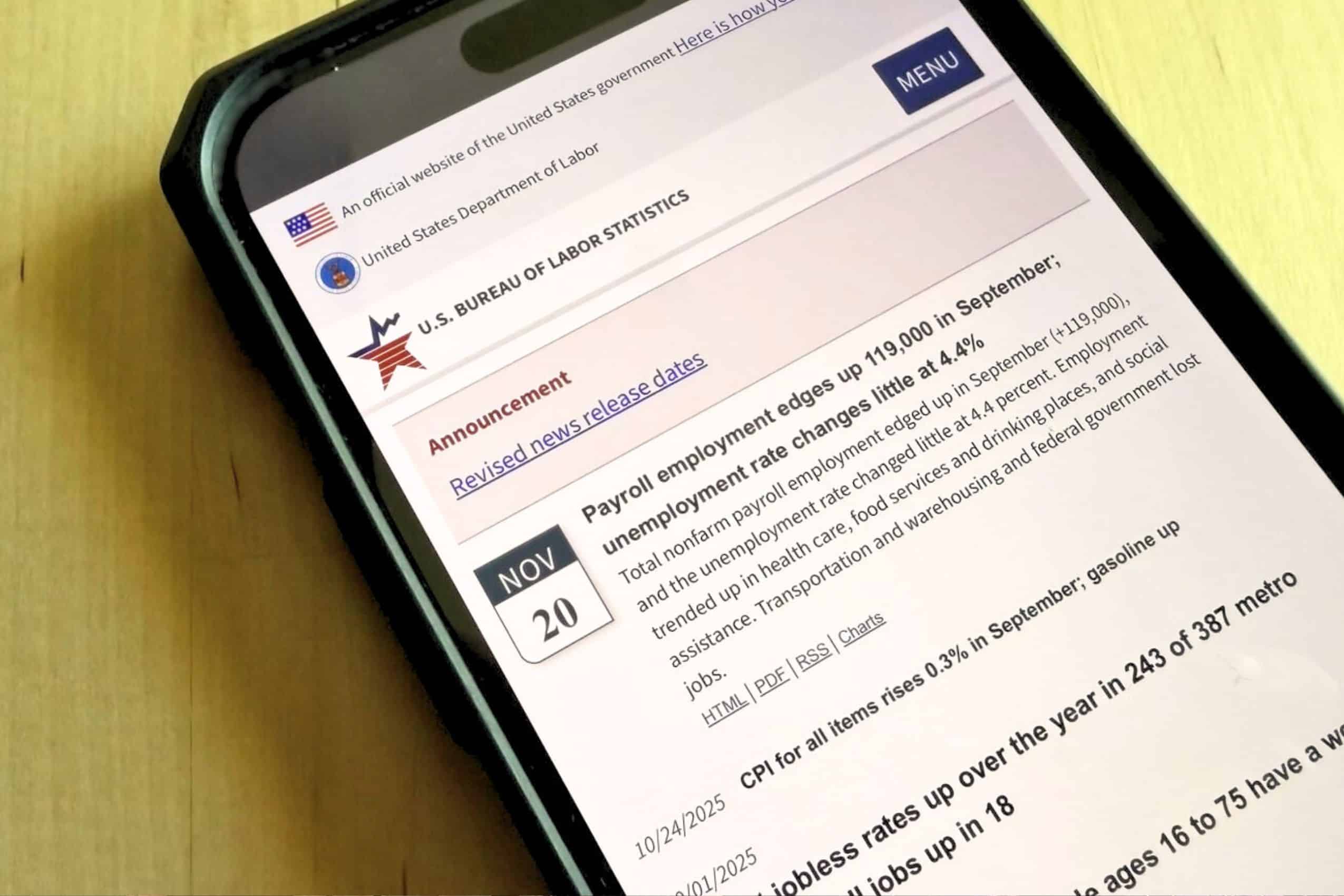
The labor market just threw a massive curveball at every skeptic waiting for a slowdown. While plenty of analysts spent the last month predicting a cooling trend, the March jobs report proved that the American economy is still running hot. We aren't just seeing a slight bounce back. We're witnessing a hiring surge that defies high interest rates and persistent inflation talk.
If you've been watching the headlines, you've likely seen the raw numbers. The Bureau of Labor Statistics reported that nonfarm payrolls grew by 303,000 in March. That's not a typo. It blew past the consensus estimate of roughly 200,000. It’s a loud, clear signal that businesses aren't hunkering down. They're expanding.
But numbers on a spreadsheet don't tell the whole story. You need to look at who is actually getting hired and what this does to the Federal Reserve’s plan to cut interest rates. If you’re looking for a new job or waiting for your mortgage rate to drop, this report changes everything.
Where the Hiring Heat is Coming From
Healthcare remains the absolute juggernaut of the US economy. It added 72,000 jobs in March alone. This isn't a fluke. It's a structural shift. We have an aging population that requires more care, and the industry is still playing catch-up after the burnout-induced exits of the last few years. Hospitals, home health services, and residential care facilities are all desperate for bodies.
Government hiring also saw a massive spike, adding 71,000 positions. A lot of this is happening at the local level. Think teachers, police officers, and administrative staff who were finally budgeted for after a long period of austerity or pandemic-era freezes.
Construction surprised a lot of people too. Despite interest rates that should, in theory, be cooling the housing market, the sector added 39,000 jobs. It turns out that a massive shortage of existing homes for sale is forcing people to build new ones. If you're in the trades, business is booming.
Why This Isn't Just About More Jobs
Total employment matters, but the unemployment rate is the metric that usually keeps people up at night. It ticked down to 3.8% from 3.9%. We've now had a sub-4% unemployment rate for the longest stretch since the 1960s. That’s incredible. It means workers still have some leverage, even if the "Great Resignation" era of 20% raises for jumping ship has calmed down.
Average hourly earnings grew 0.3% for the month and 4.1% over the last year. This is the sweet spot for the economy but a headache for the Fed. It’s fast enough that you’re (hopefully) keeping pace with the grocery bill, but it’s not so fast that it triggers a wage-price spiral.
The Interest Rate Dilemma
The Federal Reserve is in a tough spot now. Jerome Powell has been looking for an excuse to lower interest rates. He wants a "soft landing" where inflation hits 2% without a massive recession. A report this strong makes a June rate cut look much less likely.
Why would the Fed cut rates when the economy is adding 300,000 jobs a month? If they lower rates too early, they risk refueling inflation. If they wait too long, they might eventually break the labor market. Right now, the data says the economy can handle these higher rates. If you’re waiting for a cheaper car loan or a better mortgage, you might be waiting longer than you thought.
The bond market reacted instantly. Yields shot up because investors realized the "higher for longer" mantra is the new reality. It’s a frustrating reality for anyone trying to buy a first home, but it’s the price we pay for a labor market that refuses to quit.
What’s Happening Behind the Scenes
Don't ignore the labor force participation rate. It rose to 62.7%. This is vital. It means more people are actually coming off the sidelines and looking for work. We saw a huge influx of workers in the 25-to-54 age bracket. When more people enter the workforce, it helps soak up some of that wage pressure. It allows the economy to grow without necessarily being inflationary.
However, there's a disconnect between the "headline" numbers and how people feel. Full-time employment actually fell slightly while part-time jobs surged. This suggests some people are taking on second or third jobs just to stay afloat. The "rebound" looks great on a bar chart, but for the person working two retail shifts to pay rent, it feels a lot less like a victory lap.
The Myth of the Cooling Economy
We've heard for eighteen months that a recession is "just around the corner." The "leading indicators" were screaming red. Yet, here we are. Consumers are still spending because they still have jobs.
Small businesses are the ones feeling the most heat. Unlike tech giants with massive cash reserves, the local plumbing company or the neighborhood bistro is struggling with the cost of credit. If you're an entrepreneur, you're likely feeling a squeeze that the S&P 500 companies aren't. Hiring is harder because you can't always match the benefits of a massive corporation.
How to Play This Market
If you're an employee, don't get complacent. While the market is strong, the "easy" hires are over. Companies are becoming more selective. They want specialized skills. If you're in a generalist role, now is the time to upskill. The demand is specifically high in technical trades, specialized healthcare, and high-end service roles.
If you're a business owner, you have to find ways to retain your current staff. The cost of replacing a worker in this market is astronomical. Look at non-monetary benefits if you can't compete on raw salary. Flexibility still wins more talent than a 3% raise does.
Don't expect the Fed to save you with rate cuts anytime soon. Plan your 2024 and 2025 budgets around the idea that the current interest rate environment is the "new normal." If you’re holding out for 3% interest rates to expand your business or buy a house, you’re betting against a very stubborn, very strong labor market.
The March data proved the US economy is a resilient beast. It isn't breaking. It isn't even really bending. It’s just moving forward at a pace that keeps everyone on their toes. Stop waiting for the crash and start navigating the growth we actually have. Tighten your hiring criteria, lock in your long-term debt if you haven't already, and keep a close eye on the next inflation print. That’s the only thing that can stop this momentum now.


