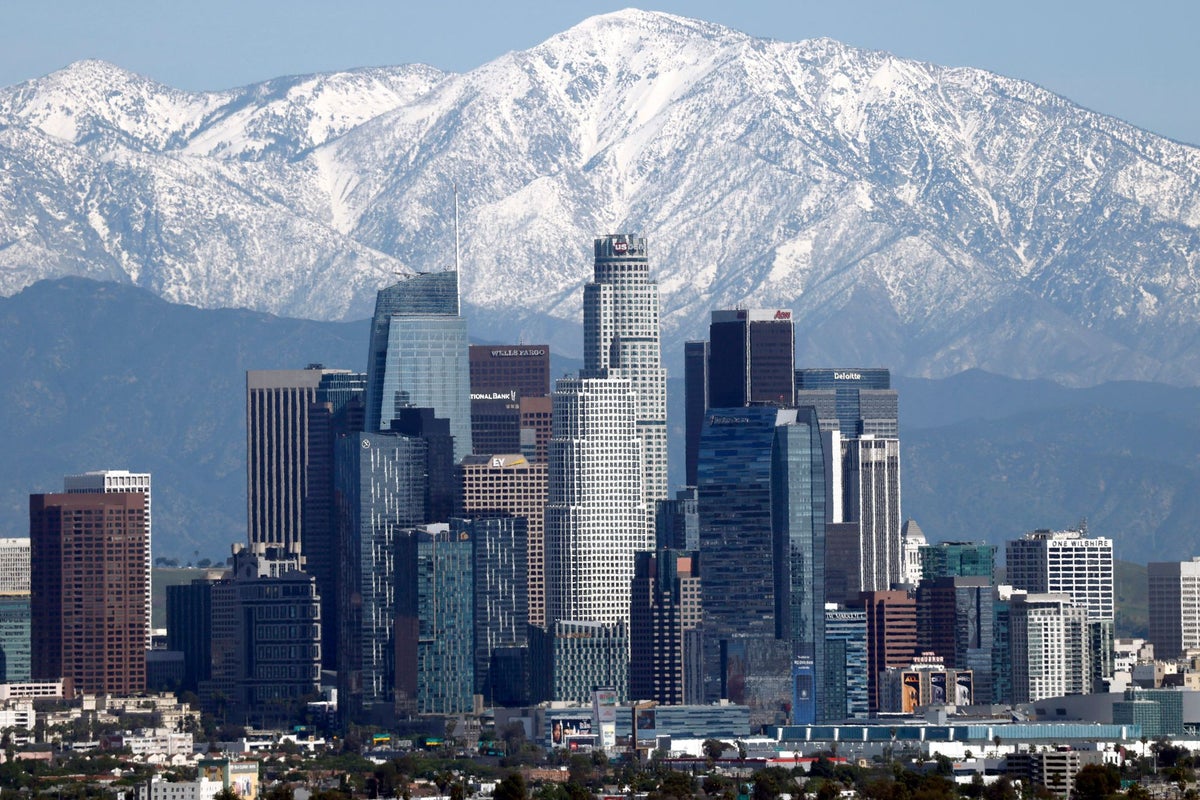
Big American cities are shrinking. If you've walked through downtown Chicago or Los Angeles lately, you might feel it. The energy is different. The numbers from the U.S. Census Bureau confirm what your gut is telling you. For the first time in decades, the steady pulse of growth in our largest metro areas has stalled or reversed. It's not just about remote work or high taxes anymore. The real driver is a massive shift in how people move across borders and where they decide to stay.
The era of the "gateway city" is hitting a wall. Historically, places like New York and Miami functioned as arrival lounges for the rest of the world. Immigrants moved in, started businesses, and filled the labor gaps that kept these urban giants humming. Now, that pipeline is constricted. Between aggressive enforcement and a shift in federal policy, the influx that once offset the "domestic out-migration"—people moving to Florida or Texas—has dried up.
When you lose that international cushion, the demographic math breaks. You're left with an aging population and a departing middle class. It's a recipe for a ghost town in slow motion.
The Demographic Math of an Urban Exodus
To understand why this is happening, you have to look at the "net migration" figures. Most big cities have been losing native-born Americans for years. People get tired of the rent. They want a yard. So they move to Nashville or Phoenix. In the past, this didn't matter because for every person who left for the suburbs, a new immigrant arrived from abroad to take their place.
That balance is gone. According to the Brookings Institution, international migration to the U.S. saw a sharp decline starting in late 2024 and through 2025 as the current administration’s "Zero Tolerance" policies reached full scale. We’re talking about more than just border crossings. It’s about visa delays, lower refugee caps, and an atmosphere that makes the U.S. feel "closed."
New York City is the poster child for this crisis. The city lost nearly 100,000 residents in a single year. While some of that is the "Work From Home" crowd moving to the Hudson Valley, the lack of new arrivals is the silent killer. When the door shuts, the city doesn't just stay the same size. It shrinks.
Why Enforcement Hits the Economy Where It Hurts
It’s easy to talk about immigration as a political talking point. It’s harder to deal with the reality of a construction site with no workers. Or a restaurant that can't find a dishwasher. Or a tech firm that can't get an H-1B visa for a top-tier engineer.
The "crackdown" isn't just about deportations. It's about friction. The current administration has introduced layers of bureaucracy that make it harder for legal residents to stay and for new ones to arrive. This creates a ripple effect. If a small business owner in Queens can't find staff, they close. When they close, the neighborhood loses a tax base. When the tax base shrinks, the subway gets worse and the schools lose funding.
I've seen this play out in real-time. In 2025, several major infrastructure projects in the Northeast were delayed not because of funding, but because of labor shortages. Many of the workers who would have filled those roles have either left the country or moved to "sanctuary" pockets where they feel slightly less hunted. But even those pockets are feeling the squeeze as federal funding is pulled from cities that don't cooperate with ICE.
The Suburban Shift and the Rise of the Secondary City
While the "Big Five" cities—New York, LA, Chicago, Houston, and Phoenix—struggle, smaller metros are reaping the rewards. But don't be fooled. This isn't a win for everyone. The growth in places like Des Moines or Boise is often "accidental growth." These cities aren't necessarily prepared for the sudden influx of people fleeing the high costs and instability of the coast.
It’s also worth noting that the "immigration crackdown" affects different cities in wildly different ways.
- Miami: Once the gateway to Latin America, it's seeing a stagnation in high-wealth migration due to stricter banking and residency rules.
- Chicago: It's facing a double whammy of losing its manufacturing base and its immigrant labor force simultaneously.
- Los Angeles: The housing crisis is so bad that even if people could move there, they can't afford a literal closet.
If you think this is just a "blue city" problem, think again. Even sprawling metros in red states are seeing the impact. Agriculture and hospitality—the backbone of the Sun Belt economy—rely on the very people who are now staying away. You can’t have a booming economy with a shrinking workforce.
The False Narrative of the Great Return
Some pundits claim that once inflation settles, people will flock back to the big cities. That's a pipe dream. The structural changes we’re seeing are permanent. The "crackdown" has changed the perception of the American Dream for millions abroad. If the U.S. is no longer seen as a place of opportunity and stability, the best and brightest will go to Toronto, Berlin, or Tokyo instead.
We are watching a fundamental reordering of the American map. The cities that will survive are the ones that stop waiting for a federal policy change and start figuring out how to retain the people they still have. That means radical shifts in housing policy and local incentives for small businesses.
What You Should Do Right Now
If you're living in a major metro area, you're likely seeing your cost of living rise while services decline. This is the direct result of a shrinking population. You need to look at your local census data. If your city is in a "negative growth" cycle, your property value might not be the "safe bet" it was five years ago.
Stop looking at national headlines and start looking at local labor trends. Check the "help wanted" signs in your neighborhood. If they're staying up for months, your local economy is in trouble. Contact your local representatives and demand a focus on "urban retention" strategies. We need to make these cities livable for the people who are already there, or the exodus will only accelerate. The map is changing. Make sure you aren't left holding the bag on a declining asset in a shrinking city. Focus on diversifying your investments into "secondary markets" that are actually growing because of this shift, rather than fighting the tide in a metro area that's losing its lifeblood.