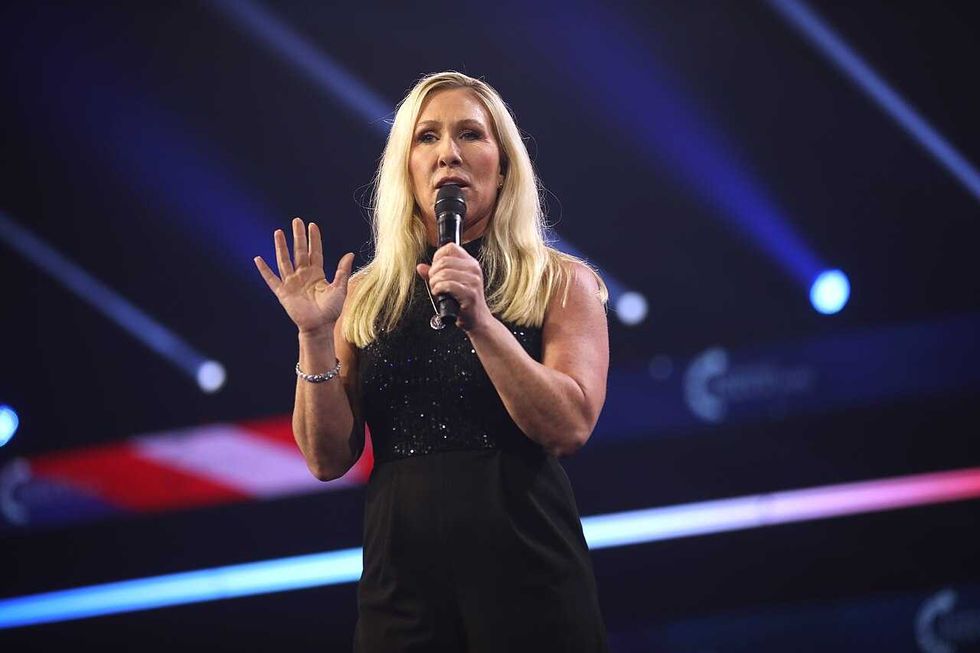
The media is addicted to the "betrayal" narrative. Every time Donald Trump makes a personnel choice or a policy pivot that doesn't align with the isolationist fever dreams of his loudest online supporters, the headlines scream about a MAGA meltdown. They paint a picture of a movement in shambles, an electorate feeling hoodwinked, and a base on the verge of revolt.
They are getting it entirely wrong.
What the pundit class interprets as a "meltdown" is actually the sound of a sophisticated political engine shifting gears. If you’ve spent any time in the rooms where these decisions actually get made, you know that friction isn't a bug in the Trump ecosystem; it’s a feature. The "isolationists" aren't being abandoned. They are being balanced.
The False Binary of Isolationism vs. Interventionism
The central flaw in the current discourse is the belief that Trump must choose between being a total non-interventionist or a standard-issue neocon. The press loves this because it's easy to track. If he picks a hawk, the isolationists "melt down." If he ignores a tariff, the protectionists "revolt."
In reality, the movement has never been about isolationism. It’s about leverage.
Isolationism is a passive state. It’s hiding behind a wall and hoping the world goes away. What Trump practices is Aggressive Optionality. By appointing figures that make his own base uncomfortable, he creates a deliberate fog of war. If your enemies—and your allies—don't know which version of you is going to show up to the negotiating table, you’ve already won the first round.
I’ve watched corporate boards try to play this game and fail because they lack the stomach for the internal optics. They want "synergy" (a word that usually means everyone is too polite to point out a disaster). Trump prefers a cabinet that looks like a cage match. It forces every idea to be stress-tested by fire before it reaches the Resolute Desk.
The Grifter Economy of Outrage
Let’s talk about the "melt down" participants. Who are they? Usually, they are professional influencers whose entire business model relies on maintaining a state of perpetual grievance. If they aren't "outraged" by a new appointment, they don't get the clicks.
The media cites a few spicy tweets from fringe figures and labels it a "civil war." It’s lazy journalism. They are taking the bait from people who are paid to be professional malcontents.
- Fact: The core MAGA voter cares about the price of eggs and the security of the border.
- Fact: They do not care about the 2014 voting record of a Deputy Undersecretary of State.
- Fact: The "betrayal" narrative has a 48-hour shelf life before the next cycle takes over.
The idea that the movement is fragile enough to shatter over a single personnel move ignores ten years of political gravity. This isn't a book club; it's a realignment. Realignments are messy, loud, and full of contradictions.
Efficiency Through Chaos
The most counter-intuitive truth about this "meltdown" is that it actually protects the President. In a standard administration, a controversial move is a direct hit on the leader. In this model, the "meltdown" creates a buffer. The base directs its anger at the appointee or the "Deep State" actors supposedly "influencing" the boss.
It’s a classic move from the 1980s New York real estate playbook: The Bad Cop Buffer.
Imagine a scenario where a developer wants to kill a project but doesn't want to lose a relationship. He sends in a ruthless lawyer to take the heat. The lawyer is the one who gets "melted down" upon. The developer stays clean.
When the media reports on MAGA's anger toward a new "establishment" hire, they are documenting the heat-shield working in real-time. The President gets to keep the "establishment" hire to appease the markets and the donor class, while the base stays energized by fighting the "infiltrator." It’s brilliant, and the critics are too busy checking Twitter to see the architecture of it.
The Expertise Trap
The competitor article likely argues that these moves show a "lack of discipline." This is the "lazy consensus" of the "expert" class. They value "robust" processes and "holistic" strategies. They want everything to be predictable.
Predictability is the death of leverage.
In my years navigating industry shifts, the people who win are the ones who can tolerate the highest level of internal ambiguity. If you can keep your own team guessing, you have total control over the external narrative. The "meltdown" is just the acoustic byproduct of that ambiguity.
Why the Isolationists Are Wrong (And Why That’s Good)
The hardcore isolationist wing of the movement is often intellectually dishonest. They claim to want "America First," but they often advocate for a version of it that would collapse the US dollar and destroy the very manufacturing base they claim to protect.
Total isolationism in a globalized financial system is a suicide pact.
The "new moves" that cause these meltdowns—whether it’s engaging with foreign leaders they’ve demonized or hiring people with "impure" resumes—are often the necessary corrections to keep the ship from hitting the icebergs of reality.
The "insider" secret is that the administration knows exactly how the base will react. They aren't surprised by the "melt down." They’ve priced it in. They know that a week of screaming on cable news is a small price to pay for a strategic hire that stabilizes a critical relationship or secures a trade concession.
Stop Asking if They are Angry
You are asking the wrong question. It doesn't matter if the isolationists are angry. The right question is: Is the friction productive?
Does the appointment create a new threat vector for an adversary? Does it force a stalled legislative body to move? Does it keep the opposition off-balance?
If the answer is yes, then the "meltdown" is a success.
We live in an era where "vibes" are treated as data. The "vibe" of a MAGA meltdown is loud, but the data of political survival tells a different story. The movement has proven remarkably resilient to these internal tremors because the bond between the leader and the voter isn't built on a checklist of policy purity. It’s built on a shared contempt for the people who write the articles about the "meltdown" in the first place.
The Harsh Reality for the Pundits
The pundits want there to be a "civil war" because they want the movement to end. They want to go back to a world where everyone uses words like "synergy" and "pivotal" in hushed tones. They want "normalcy."
But normalcy is what got us here. Normalcy is the slow rot of the status quo.
The "meltdown" is the sound of the rot being scraped away. It’s painful, it’s ugly, and it makes for great TV, but it isn't a sign of failure. It’s a sign of life.
When you see the next headline about MAGA isolationists losing their minds, remember that you’re looking at a controlled demolition. The people in charge aren't worried about the noise. They’re the ones who set the charges.
Stop looking at the smoke. Look at what’s being built in the space the explosion created.
Buy the chaos. Sell the "meltdown."


