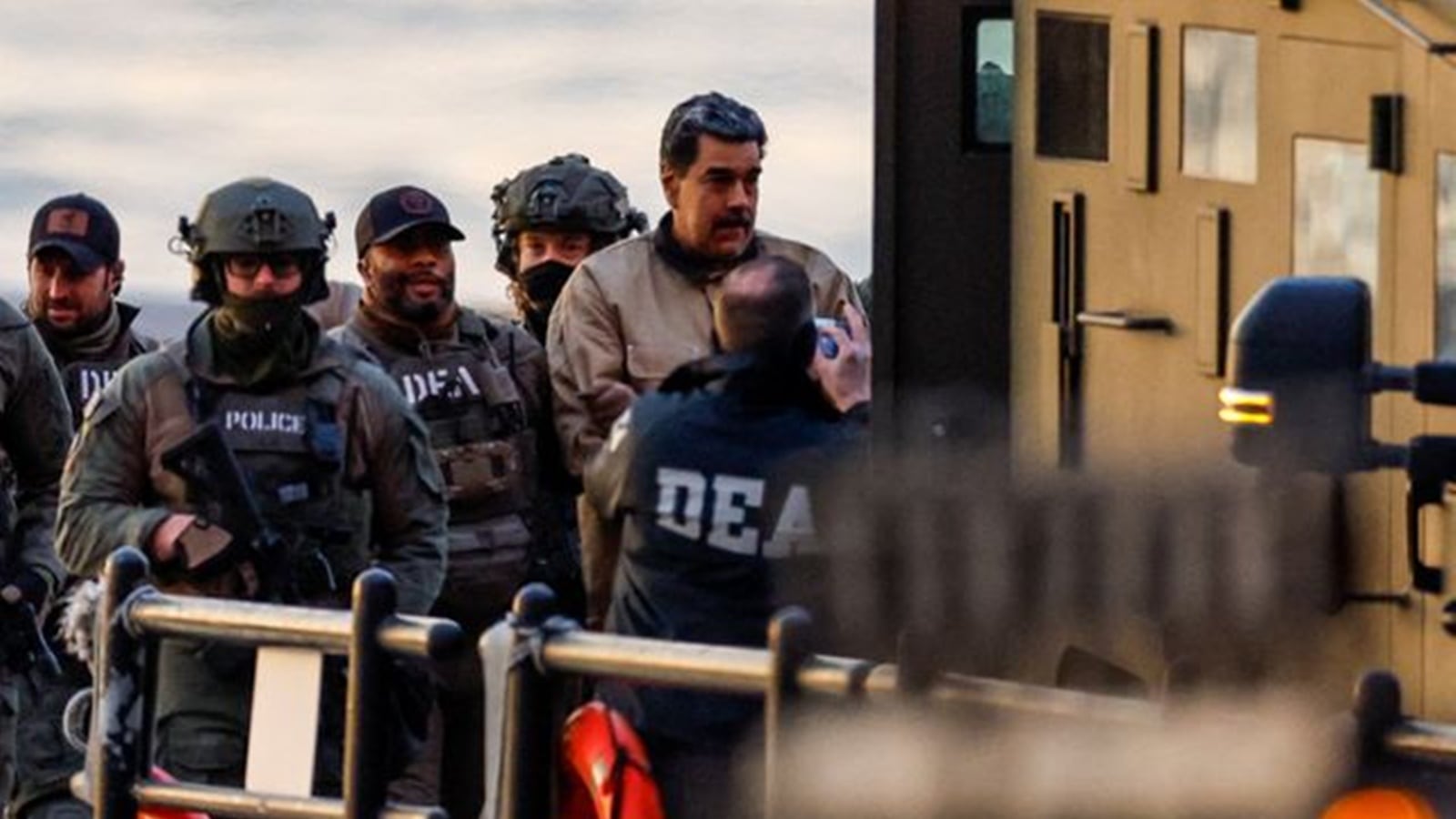
You can’t make this stuff up. Nicolás Maduro, the man who spent years railing against "Yankee imperialism," is currently sitting in a Manhattan federal courtroom arguing for his rights under the U.S. Constitution. It’s a surreal scene that feels like a fever dream of international law and high-stakes geopolitics. On Thursday, March 26, 2026, the ousted Venezuelan leader appeared before U.S. District Judge Alvin Hellerstein, not to argue his innocence just yet, but to complain that he’s too "poor" to pay his lawyers because the U.S. government won’t let him touch his own country’s money.
The core of the dispute is simple but messy. Maduro and his wife, Cilia Flores, are facing heavy-duty narco-terrorism charges after a cinematic U.S. military raid snatched them from Caracas in January. They want their case tossed out. Why? Because they claim the U.S. Treasury’s Office of Foreign Assets Control (OFAC) is blocking the Venezuelan government from paying their legal bills. According to their high-profile attorney, Barry Pollack, this is a blatant violation of the Sixth Amendment—the right to the counsel of your choice.
A Constitutional Catch 22
The legal gymnastics here are honestly exhausting. Maduro’s team argues that under Venezuelan law, the state is obligated to foot the bill for the president’s legal defense. They aren’t asking for U.S. taxpayer money; they’re asking to use Venezuelan funds that are currently frozen under a mountain of sanctions.
Here’s where it gets weird. On January 9, OFAC actually granted a waiver allowing Venezuela to pay the fees. Then, in a move that looks like classic bureaucratic whiplash, they rescinded it just three hours later. The government now calls that initial approval an "administrative error." Maduro’s lawyers aren’t buying it. They’ve basically told the judge that if the money doesn't flow, they’re walking. If that happens, the court has to appoint public defenders, and suddenly the American taxpayer is paying to defend the very man the U.S. government spent millions to capture.
National Security vs Fair Trials
The prosecution, led by Kyle Adam Wirshba, is leaning hard on the "national security" lever. They argue that letting a sanctioned regime funnel money into a U.S. courtroom undermines the entire sanctions framework. From their perspective, Maduro and Flores are just like any other defendants—if they can’t afford a private lawyer with "untainted" personal funds, they can get a court-appointed one.
But Judge Hellerstein, who at 92 has seen just about everything, doesn't seem entirely sold on the "national security" threat. During the hearing, he pointed out the obvious contradiction in current U.S. policy. "We are doing business with Venezuela," he noted. He’s right. While Maduro sits in a cell in Brooklyn, the U.S. has already started warming up to the interim government of Delcy Rodríguez, easing oil sanctions and trying to get the pumps moving again.
The Reality of the "Poor" Dictator
Let’s be real. Nobody actually believes Nicolás Maduro is broke. The indictment alleges he ran a "Cartel of the Suns" that moved hundreds of tons of cocaine. However, in the eyes of the law, "available" funds and "existing" funds are two different things. If his assets are frozen and the state funds are blocked, he is, for the purposes of a New York trial, indigent.
This creates a massive headache for the Department of Justice. If they force him to use a public defender because they blocked his access to private counsel, they risk a "constitutionally suspect" verdict. If Maduro is eventually convicted, his legal team will have a golden ticket for an appeal, arguing he never had a fair shake at a defense. It’s a self-inflicted wound by the U.S. government that could see years of investigative work go down the drain on a technicality.
What This Means for the Citgo Fire Sale
This isn't happening in a vacuum. While Maduro fights for his lawyer money, the "crown jewel" of Venezuela’s foreign assets—Citgo Petroleum—is being carved up in a Delaware court. A $5.9 billion bid from Amber Energy (an Elliott Management affiliate) is currently on the table to satisfy a literal line of creditors that stretches out the door.
The irony is thick enough to choke on. The U.S. court system is simultaneously presiding over the liquidation of Venezuela's assets to pay back mining companies like Crystallex and gold giants like Gold Reserve, while refusing to let a fraction of that same wealth be used to ensure a "fair" trial for the country's former leader.
The Road Ahead
Judge Hellerstein didn't drop a ruling on Thursday. He’s taking his time, likely because he knows whatever he decides will set a massive precedent for how sanctioned foreign leaders are treated in U.S. courts.
If you’re following this case, watch the Treasury Department. The real movement won't happen in the courtroom, but in the OFAC offices. If they don't blink and grant that waiver, we’re looking at a long, drawn-out battle over the Sixth Amendment that might end up in the Supreme Court long before a jury ever hears a word about drug trafficking.
If you want to understand the real impact of these sanctions, stop looking at the oil prices and start looking at the legal filings. The U.S. has Maduro in a cage, but they might have accidentally locked themselves in there with him by making it impossible for him to pay for his own exit.
Stay tuned to the docket for the next hearing date, which hasn't been set yet. You can bet Maduro’s legal team will be filing more motions to dismiss while the government scrambles to figure out how to keep the trial from becoming a constitutional circus.


