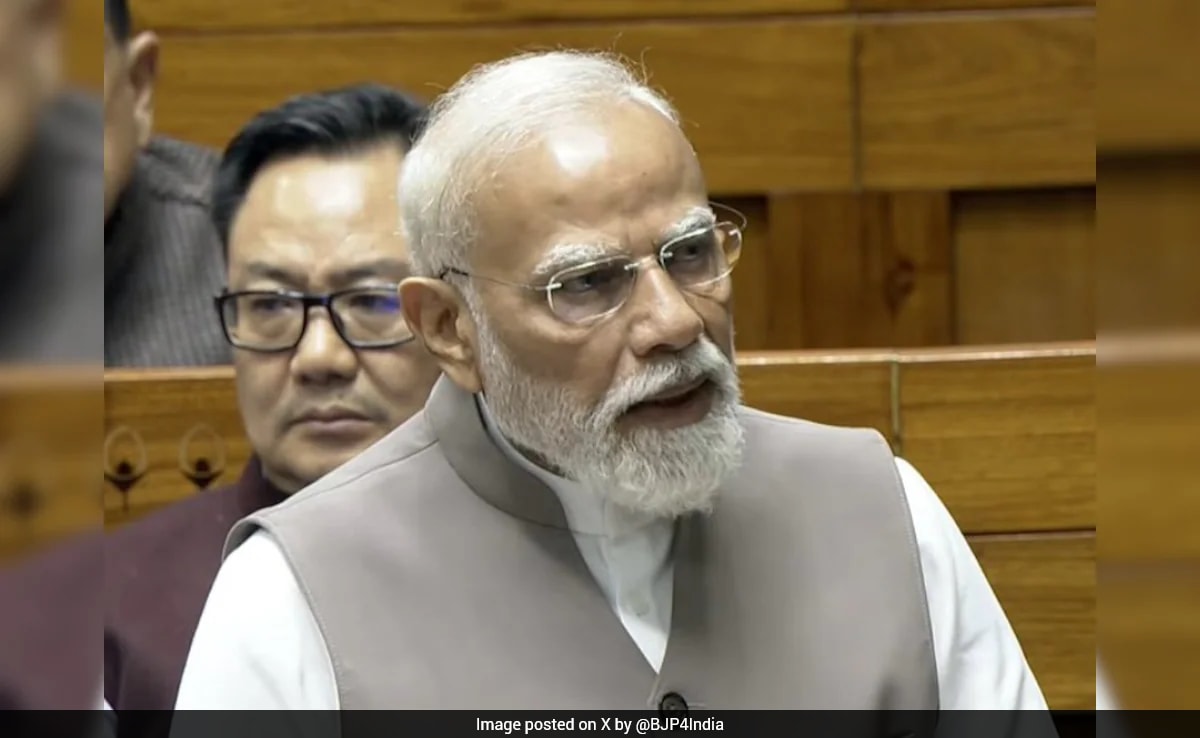
The success of a state-led evacuation from a high-intensity conflict zone is not a product of luck but a function of three critical variables: diplomatic leverage, logistical elasticity, and the temporal window of de-escalation. When a sovereign leader engages in direct "head-of-nation" communication, they are not merely requesting a favor; they are exercising a specific form of geopolitical capital to create a "humanitarian corridor" or a "technical pause" in kinetic operations. To understand the mechanics behind the Prime Minister’s recent assertions regarding the extraction of Indian nationals from war zones, one must deconstruct the operational architecture required to move thousands of non-combatants across active front lines.
The Triad of Extraterritorial Extraction
The process of "shielding" citizens in a foreign war requires the simultaneous activation of three distinct operational pillars. If any one of these pillars fails, the entire mission transitions from a controlled evacuation to a chaotic flight.
- Diplomatic De-confliction: This is the highest level of the pyramid. It involves direct communication between heads of state to ensure that the warring parties recognize specific geographical zones or transport routes as "off-limits" for military engagement.
- Logistical Insertion and Extraction: Once a corridor is secured, the state must deploy assets—civilian aircraft, naval vessels, or ground transport—that can operate under high-stress conditions without escalating the conflict.
- Real-Time Data Synthesis: The state must maintain a live census of its citizens, mapping their precise GPS coordinates against moving front lines to determine the safest "push-off" points.
The Mechanism of the Technical Pause
In modern warfare, "stopping the war" for an evacuation is a misnomer. In reality, what occurs is a Technical Pause. This is a negotiated window, often lasting only 6 to 12 hours, where both combatants agree to freeze their positions. The Prime Minister’s involvement at the head-of-state level is the only mechanism powerful enough to secure such a pause. Lower-level diplomatic channels often get bogged down in military bureaucracy or "fog of war" miscommunications. By speaking directly to the leadership of both contending nations, a Prime Minister establishes a "Top-Down Mandate" that filters through the chain of command to the soldiers on the ground.
The Cost Function of Neutrality
India’s ability to evacuate its citizens depends heavily on its "Strategic Autonomy" or perceived neutrality. In a bipolar or polarized conflict, a nation that has taken a hard side loses the ability to negotiate with both parties. The "Shielding" mentioned by the PM is effectively an application of this neutrality.
- Positive Leverage: Offering the combatants a path to international legitimacy by respecting humanitarian norms.
- Negative Leverage: The implicit threat that harming a neutral nation's citizens will force that nation to shift its support to the opposition.
The calculation for the Prime Minister is to balance these leverages. When he speaks to "Heads of Nations twice," he is verifying the integrity of the safety guarantees. If Leader A promises a corridor but Leader B does not, the corridor is a death trap. Verification from both sides is the prerequisite for the first bus to move.
Quantifying the Logistical Friction
Moving 20,000 people—as seen in past operations like Operation Ganga—presents a massive "Congestion Variable." War zones have degraded infrastructure. Bridges are blown, fuel is scarce, and communications are intermittent. The strategy consultant’s view of this is a bottleneck analysis.
The Border Crossing Bottleneck
The most dangerous phase of any evacuation is the border crossing. Thousands of people from various nations converge on a single point of egress. This creates a "Processing Latency." The Indian government’s strategy involves pre-positioning "Extraction Teams" (often young diplomats or military attaches) at these border points days before the main body of evacuees arrives. These teams function as "Friction Reducers," coordinating with local border guards to prioritize their nationals based on the high-level agreements negotiated by the PM.
The Last-Mile Problem
The most difficult segment of the evacuation is the "Last-Mile," the distance between the citizen’s basement or shelter and the designated collection point. In urban warfare, this 5-mile stretch can be more dangerous than the 500-mile journey to the border. The "shield" provided by the state here is often digital and psychological: providing real-time instructions via encrypted channels that tell citizens exactly when the "Technical Pause" begins and which specific streets have been de-conflicted.
Resource Allocation and Risk Management
No evacuation is risk-zero. The state must perform a brutal form of risk-weighting.
- High-Risk/High-Certainty: Citizens in the direct line of fire where a pause has been negotiated. These are moved first.
- Low-Risk/Low-Certainty: Citizens in peripheral zones where the situation is stable but could deteriorate. These are often told to "stay put" to avoid clogging the primary extraction veins.
The PM’s statement about "shielding" refers to the creation of a Humanitarian Umbrella. This is not a physical shield but a geopolitical one. It is the understanding that any strike on an Indian evacuation convoy would trigger a massive diplomatic escalation that neither warring party can afford.
Strategic Sovereignty and the New Standard
The ability to extract citizens from any corner of the globe is now a primary metric of a state's "Power Projection." It signals to the world—and to the domestic electorate—that the Indian passport carries a specific weight. This weight is backed by the Prime Minister’s personal "Rolodex" of global leaders.
The limitation of this strategy is its scalability. As the number of Indians working abroad grows into the tens of millions, the frequency of these crises will increase. The reliance on "Head-of-State" intervention is a high-cost, high-energy model. To sustain this, the Indian state must transition from a reactive "Crisis Management" mode to a proactive "Global Sentinel" architecture. This involves:
- Automatic Registration Systems: Every citizen traveling to a high-risk zone must be tracked via a digital ledger.
- Pre-negotiated Humanitarian Protocols: Developing standing agreements with regional powers (like Poland, Romania, or the UAE) to serve as "Permanent Transit Hubs" for future crises.
- Direct-to-Citizen Comms: Reducing reliance on local infrastructure by using satellite-based communication arrays for evacuation instructions.
The pivot from "asking for help" to "managing the theater" marks the evolution of India's foreign policy. The PM's direct intervention is the final safeguard, but the underlying machinery must be automated to handle the increasing volatility of the 21st-century geopolitical map.
The immediate tactical requirement is the formalization of "Evacuation Diplomacy" into a codified branch of the Ministry of External Affairs. This branch should focus on securing pre-emptive transit rights and building a standing fund for rapid civilian aircraft mobilization, ensuring that when the PM makes that call to a foreign head of state, the logistical gears are already turning at 90% capacity before the conversation ends.
Would you like me to analyze the specific budgetary allocations or the historical success rates of India's previous evacuation operations like Operation Devi Shakti or Operation Kaveri?