He still carries his rucksack as if it contains the sum of his existence. Inside, there is a thermal blanket, a half-empty bottle of water, and a folder of discharge papers that have turned the color of weak tea. Elias—not his real name, but a name for a man who served in the dusty corridors of Kandahar—sits on a park bench three blocks from the VA hospital. He is waiting. He isn't waiting for a bus or a friend. He is waiting for the moment the government decides he no longer owns his own life.
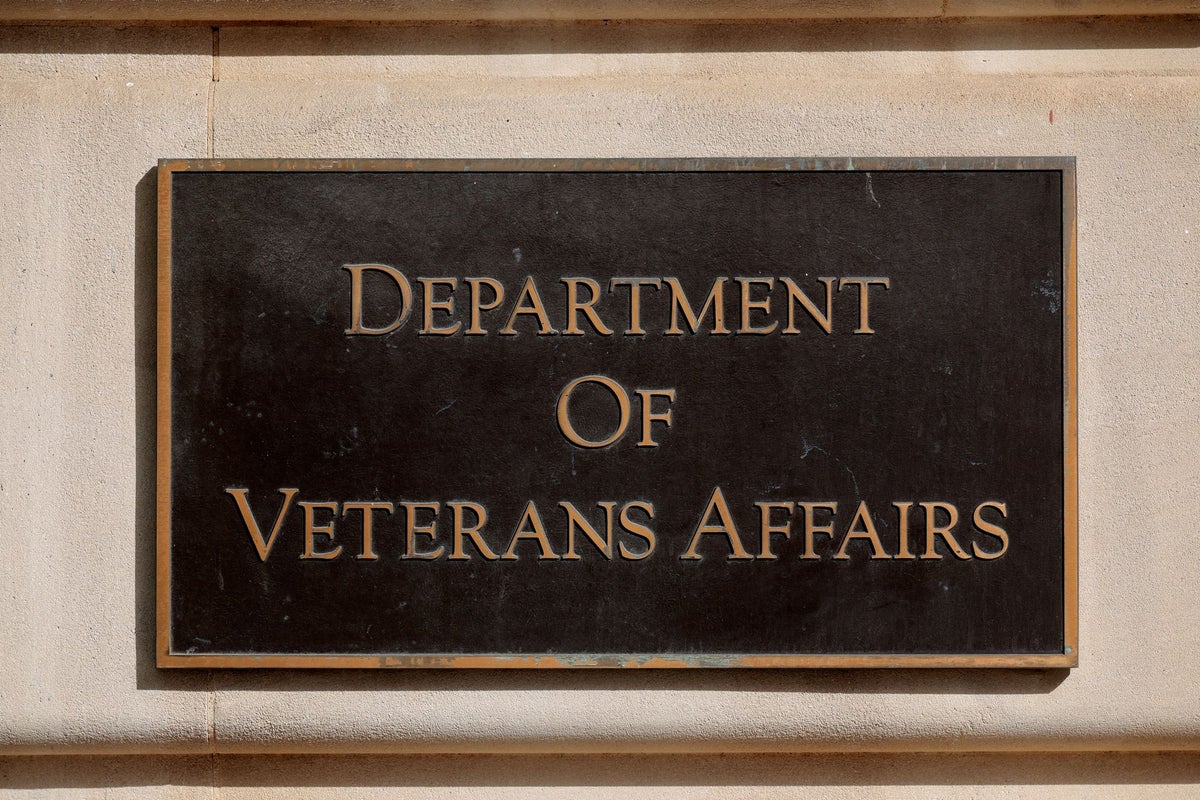
The Department of Veterans Affairs recently signaled a shift in its approach to the most vulnerable men and women who wore the uniform. They call it "forced guardianship." To a bureaucrat, it sounds like a safety net. To a man who has spent twenty years ensuring he never has to take another order, it sounds like a cage.
The plan involves a mechanism where the VA can essentially petition for legal control over a veteran’s finances, living situation, and medical decisions if they are deemed "incompetent" due to mental health struggles or chronic homelessness. In some cases, this leads directly to placement in locked mental health facilities. No more park benches. No more rucksacks. Also, no more choice.
The Architecture of Good Intentions
There is a specific kind of coldness in a sterile hallway. It’s the smell of industrial floor wax and the low hum of fluorescent lights that never quite stop flickering. This is the intended destination for veterans who have slipped through every other gap in the system. The VA argues that for a veteran suffering from severe PTSD or cognitive decline, the "freedom" to freeze on a sidewalk isn't freedom at all. It’s a death sentence.
They are not entirely wrong.
The statistics are a grim tally of a failing system. Thousands of veterans live in the "grey zone"—too functional to be permanently hospitalized, but too damaged to navigate the labyrinth of modern rental markets and digital banking. When a veteran misses a medical appointment because they’ve lost their phone, or stops eating because their benefits check was stolen, the system views it as a systemic failure. The proposed solution? Take the steering wheel away from the driver.
Imagine being Elias. You have spent your adult life being told when to wake up, what to wear, and where to die. You finally get out. You find a sliver of autonomy, even if it’s a precarious one. Then, a caseworker arrives with a clipboard. They tell you that because you can’t manage your "activities of daily living," a court-appointed guardian will now decide where you sleep. They might decide that the safest place for you is behind a badge-access door in a psychiatric ward.
The Invisible Stakes of Competency
The legal definition of "incompetence" is a slippery thing. It isn't a light switch; it’s a spectrum. In the clinical world, it’s measured by whether a person can understand the consequences of their decisions. But in the real world, for a veteran who has seen the underside of a Humvee in a blast zone, "consequences" are things they’ve lived with for decades.
When the VA moves for forced guardianship, it’s a civil procedure that carries the weight of a criminal sentence. The veteran loses the right to enter contracts. They lose the right to marry or divorce without permission. Most critically, they lose the right to refuse "protective placement."
- The Financial Control: A fiduciary is appointed to manage their VA benefits. Every dollar is tracked.
- The Medical Mandate: Decisions about heavy antipsychotics or sedative regimes are moved from the patient to the guardian.
- The Geographic Lock: The guardian chooses the facility. If that facility is a state-run mental health center three counties away, that is where the veteran goes.
It is a paradox of care. We are essentially saying, "We value your life so much that we are going to take away your right to live it."
The Cost of the Cage
The push toward these measures is often fueled by a desperate need to clear the streets. Homelessness is a visual blight that politicians want to solve before the next election cycle. If you can categorize a homeless veteran as "incapable of self-care," you can move them from a street corner into a facility. On paper, the number of homeless veterans goes down. The "problem" is solved.
But if you talk to the people who work in these wards, they will tell you about the "Institutionalized Stare." It’s the look a person gets when they realize they no longer have to make a single decision for the rest of their lives. Their meals appear. Their pills are dispensed. Their walks are scheduled.
The moral friction lies in the lack of an exit ramp. Once a guardian is appointed and a veteran is placed in a facility, the burden of proof to "regain" one's rights is mountainously high. You have to prove you are "sane" while living in an environment designed for the "insane." It is a Catch-22 written in triplicate.
The Ghost in the Machine
We often talk about the "broken" VA, but the reality is more complex. The VA is a machine made of people who generally want to help. The problem is that the machine is designed for efficiency, not for the messy, jagged edges of a human soul.
Consider the fiduciary program. It was designed to protect veterans from predatory scams. Yet, audit after audit has shown that some court-appointed fiduciaries have embezzled millions from the very people they were supposed to protect. When you remove a person's agency, you don't just protect them from the world; you strip away their ability to protect themselves from the system.
There is a memory Elias has. It’s not of the war. It’s of the first day he got his own apartment after his first stint of homelessness. He sat on the floor because he didn’t have a chair. He ate cold beans out of a can. But he was the one who opened the can. He was the one who chose the flavor. He was the one who locked the door from the inside.
That lock is what the new VA policy threatens to turn around.
The Quiet Erosion of the Social Contract
When a soldier enlists, there is an unwritten agreement. They give up their autonomy for a period of years to serve the state. In exchange, the state promises to return them to a life of dignity. Forced guardianship feels like a breach of that contract. It suggests that the "giving up of autonomy" wasn't a temporary sacrifice, but a permanent condition for those who return broken.
The alternative isn't just letting people die in the rain. There are models of "Supported Decision-Making" that advocates have used for years. In these models, the veteran keeps their rights but has a team that helps them weigh choices. It’s slower. It’s more expensive. It requires more human beings and fewer legal forms.
But it keeps the door unlocked.
The VA’s move toward forced guardianship is a symptom of a society that is tired of the "homelessness problem" and wants it to go away quietly. It is easier to medicate and monitor than it is to integrate and support. It is easier to manage a patient than it is to respect a man.
The wind picks up. Elias pulls his rucksack closer. He looks at the VA building—a massive, concrete fortress that holds the power to save him or to disappear him. He knows he is struggling. He knows the voices get louder when the sun goes down. But he also knows that as long as he is on this bench, he is still the captain of his own sinking ship.
He stands up, his knees popping like small-arms fire, and begins to walk. He doesn't know where he's going, but he knows he's the one choosing the direction. For now.
The sun sets behind the hospital, casting a long, jagged shadow that stretches toward the park, waiting to see who it will swallow next.
_ef027d.jpg)