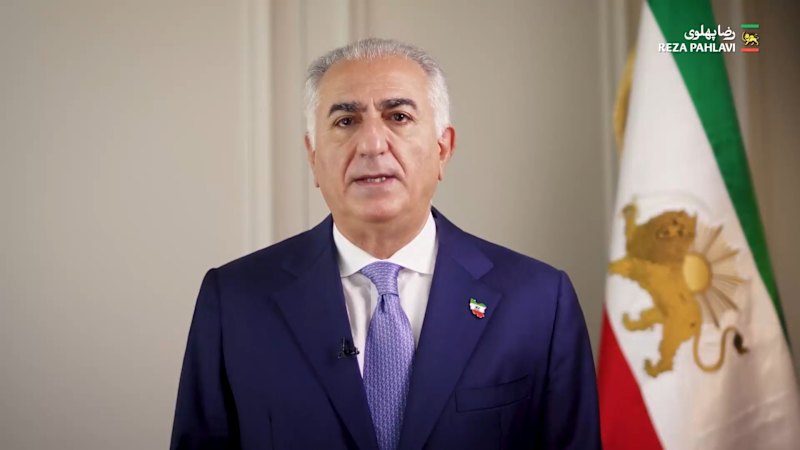
The room in Los Angeles felt different this time. You could hear it in the silence between the cheers. When Reza Pahlavi stepped to the podium to address a packed hall of Iranian exiles, he wasn't just giving another stump speech about the "good old days" before 1979. He was pitching a blueprint for a transition that many in the diaspora now believe is closer than ever. For decades, these gatherings felt like nostalgic reunions. Not anymore. Now, they feel like planning sessions.
If you've followed the "Woman, Life, Freedom" movement, you know the stakes. The Iranian diaspora isn't a monolith, but Pahlavi remains the most recognizable figurehead for a secular, democratic future. His latest address didn't just rehash grievances against the current regime in Tehran. It laid out a specific vision for what happens the day after a collapse. That's the part the mainstream media usually skips over because it's complicated and messy.
The shift from nostalgia to real political pragmatism
For years, critics dismissed the Pahlavi camp as a group of people living in a 1970s time capsule. That's a lazy take. In his recent remarks, Pahlavi steered clear of demanding a return to the throne. He talked about "covenant" and "secular democracy." This is a huge distinction. He's positioning himself as a bridge, not a boss. He told the crowd that his role is to facilitate a transition where the Iranian people—those actually on the ground in Shiraz, Tabriz, and Tehran—choose their own form of government.
This matters because the opposition has historically been fractured. You have the monarchists, the leftists, the ethnic minority groups, and the constitutionalists. By focusing on a "secular umbrella," Pahlavi is trying to stop the infighting that has plagued the exile community for forty years. He knows that if the opposition looks disorganized, Western powers like the U.S. and the EU will keep playing it safe with the status quo.
What the Western media gets wrong about the exile influence
People often ask if a guy living in Maryland can actually influence a Gen Z protester in Isfahan. It's a fair question. But it misses the point of how information flows in 2026. High-speed VPNs and satellite channels mean that when Pahlavi speaks to a crowd in London or L.A., that footage hits millions of phones in Iran within minutes.
The exile community provides the financial and diplomatic oxygen that keeps the internal resistance alive. Pahlavi’s recent push for a "maximum support" policy from the West is designed to replace the "maximum pressure" rhetoric of the past. Pressure hurts the people; support targets the IRGC’s grip on the economy. He’s calling for a strike fund to help Iranian workers walk off the job without starving. That’s a practical, nuts-and-bolts strategy that goes beyond simple slogans.
The IRGC defection strategy
One of the most striking parts of his recent messaging involves the Iranian military. Pahlavi is explicitly calling for members of the regular army and even the lower ranks of the IRGC to defect. He’s offering an olive branch. The message is simple: "Join the people, and there is a place for you in the new Iran."
This is smart. You can't have a successful revolution if the military is willing to mow down protesters indefinitely. By promising a path to integration for those who haven't committed crimes against humanity, Pahlavi is trying to hollow out the regime's enforcement arm from the inside. It’s a gamble, but history shows it’s the only way these types of transitions actually stick without a total bloodbath.
Addressing the elephant in the room
Let's be real about the skepticism. A lot of people hear the name "Pahlavi" and immediately think of his father’s secret police, the SAVAK. You can't talk about the son without acknowledging the history. In his recent interactions with the diaspora, Pahlavi has been more direct about past mistakes. He emphasizes that he doesn't want power for himself. He talks about being a "servant of the people."
Does everyone believe him? No. But in the current climate, many Iranians see him as the only person with the international name recognition to pull off a diplomatic push. He’s met with high-ranking officials in Europe and Israel, acting as a de facto shadow diplomat. For an exile community that has felt voiceless for decades, that’s a powerful drug.
Why the timing in 2026 is critical
The geopolitical map is shifting. With regional tensions at an all-time high, the "Iran problem" isn't something that can be kicked down the road anymore. Pahlavi is telling exiles that the window is shrinking. He’s pushing for the designation of the IRGC as a terrorist organization across the board in Europe, something that would freeze billions in assets.
He’s also leaning heavily into the "National Covenant" idea. This is a document that outlines the basic rights of all Iranians, regardless of ethnicity or religion. It’s an attempt to calm the fears of separatist movements in regions like Kurdistan and Sistan-Baluchestan. If he can keep the country unified during a collapse, he wins. If the country fractures into civil war, everyone loses.
Moving beyond the rally
Talking is easy. Organizing a global diaspora of millions is hard. If you're looking to understand the next phase of this movement, watch the labor unions inside Iran. Pahlavi’s success won't be measured by how many people show up to his speeches in the West. It will be measured by how much money the diaspora can get into the hands of striking oil workers and teachers inside the country.
The "Charter of Solidarity" might have had its ups and downs, but the core mission hasn't changed. The goal is a transition to a provisional government that can hold free elections. It sounds like a tall order, and it is. But for the thousands of people who stood in that hall listening to him, it’s the only path home.
Start following the specific legislative pushes in the UK and Canada regarding the IRGC. Those are the real-world metrics for whether Pahlavi's diplomatic tour is actually working. Pay attention to the "strike fund" initiatives. If the money starts moving, the regime's days are numbered.