The notification didn’t arrive with a siren or a shout. It was a soft ping in the palm of a hand, a digital whisper from the U.S. State Department that effectively told thousands of people the sky was closing. For those holding blue passports in Tel Aviv or Jerusalem, the message was stripped of diplomatic fluff: The exits are vanishing. If you want to leave, look toward the desert. Look toward Egypt.
It is a strange thing to watch a modern, bustling country suddenly feel like a room where the oxygen is being pumped out. One day, you are sipping an espresso on Rothschild Boulevard, complaining about the price of hummus. The next, you are staring at a flight board where the word "Cancelled" has replaced "On Time" in a rhythmic, red stutter. The Mediterranean, usually a gateway to the world, starts to look like a wall.
The Shrinking Map
International airlines are businesses before they are lifelines. When the risk profile of a region shifts, the bean counters and safety officers make the call long before the politicians do. One by one, the logos of Lufthansa, Delta, and United have flickered out. What remains is a skeleton crew of local carriers, their seats booked out weeks in advance by the desperate or the wealthy.
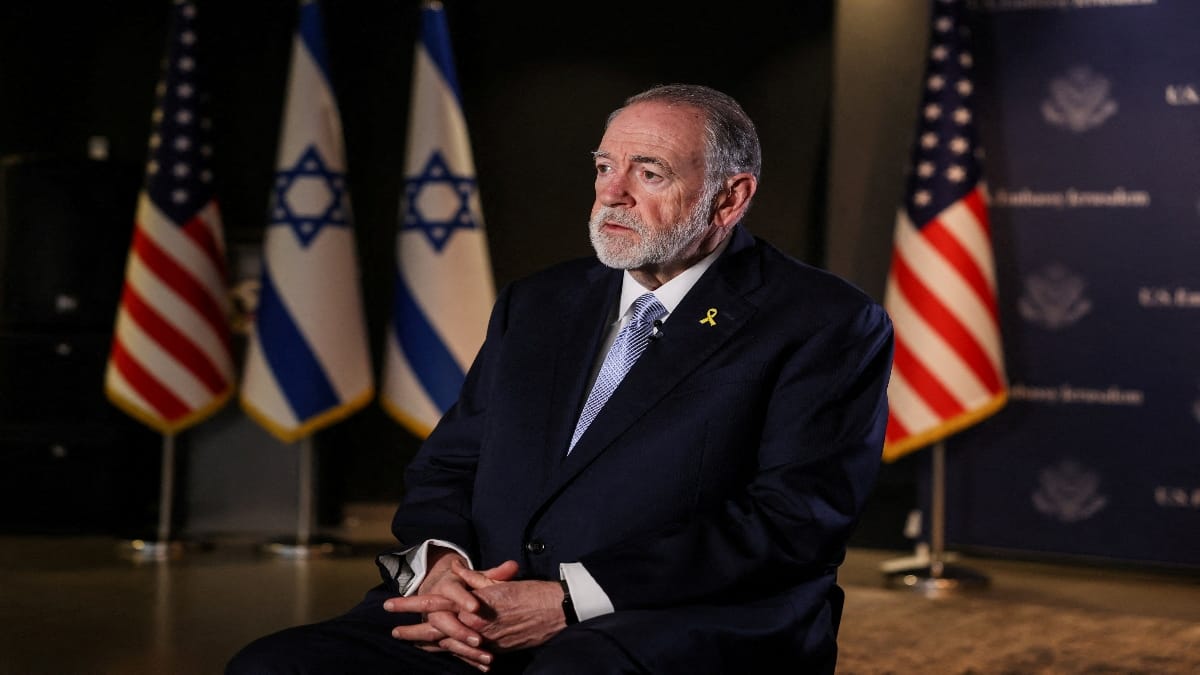
The American envoy’s message wasn't a suggestion; it was a map of a closing door. With Ben Gurion Airport gasping for connectivity, the focus has shifted south, past the checkpoints and into the Sinai Peninsula. The land route to Egypt—specifically the Taba crossing—has become the final pressure valve.
Consider a family—let’s call them the Miller's—who moved to Haifa three years ago for a tech contract. They have two kids, a dog, and a mountain of IKEA furniture they can't possibly move. For weeks, they waited for their scheduled flight to Newark, convinced that "normal" would return. Then the airline sent the automated email. No reschedule date. No refund link that actually worked. Just a void. Now, they are looking at a rental car and a map of the Negev desert.
The stakes aren't just about missing a wedding or a business meeting. They are about the psychological weight of being "stuck." There is a specific kind of vertigo that comes when you realize your government can no longer guarantee you a seat on a plane. The envoy’s call to leave via Egypt is a stark admission that the traditional safety net has frayed.
The Desert Gauntlet
Leaving via Egypt isn't as simple as catching a cab. It is a logistical odyssey through some of the most scrutinized territory on earth. You drive south, watching the lush greens of the north give way to the scorched, cratered beauty of the Zin Valley. The air gets hotter. The cell service gets spottier.
At the Taba border, the transition is jarring. You leave a high-tech Western hub and walk into the slow, bureaucratic heat of the Sinai. There are forms to sign, fees to pay in cash, and the heavy silence of soldiers who have seen this cycle of flight and return many times before. Once across, you aren't home. You are in a different country, often hours away from Cairo’s airport, navigating a landscape that feels a world away from the cafes of Tel Aviv.
It is a journey of humblings. To take this route is to admit that the situation has escaped your control. You are no longer a traveler; you are a person in transit, a distinction that carries a heavy emotional toll. You find yourself packing only what you can carry, leaving behind the books, the heavy coats, and the sense of permanence you spent years building.
The Logic of the Pivot
Why Egypt? Because geography is the only thing that doesn't lie. Jordan is an option, but its borders are under immense pressure and its own political tightrope is swaying. The sea is blocked. Lebanon is a frontier of its own. That leaves the south.
The U.S. government is essentially directing its citizens to use the "back door" because the front door is jammed. This isn't just a travel advisory; it’s a geopolitical weather vane. When a superpower tells its people to trek across a desert to a third country just to find a runway, it signals a belief that the current disruption isn't a weekend blip. It is a season.
We often think of international travel as a right, a seamless extension of our digital lives where a credit card can solve any problem. This crisis has stripped that illusion away. It has replaced it with the raw, ancient reality of borders and terrain. If you want to get from Point A to Point B, you might have to walk, wait, and sweat.
The Invisible Clock
There is a window for these types of movements. In every conflict, there is a period where the roads are still open, the fuel is still available, and the border guards are still taking stamps. The envoy’s urgency stems from the knowledge that this window is greased. It can slide shut without a moment's notice.
The Miller's, and thousands like them, are currently sitting at kitchen tables, staring at passports. They are calculating the cost of the rental car, the safety of the Sinai roads, and the probability of getting a flight out of Cairo. They are weighing the comfort of their homes against the growing uncertainty of the horizon.
It is a gamble either way. Stay, and you bet on the resilience of the local infrastructure and a de-escalation that may not come. Leave, and you commit to a grueling, expensive, and uncertain trek through a desert that doesn't care about your schedule.
The silence in the room after you read an "Urgent Call to Leave" is the loudest sound in the world. It’s the sound of a life being condensed into a single suitcase. It’s the sound of checking the locks one last time, knowing you don't know when you'll turn the key again.
The road to Taba is long, shimmering with heat and the ghosts of previous migrations. It is currently the only road that leads to a place where the planes are still flying, where the sky is still open, and where the red text on the flight boards hasn't yet taken over the screen.
The car is packed. The dog is at a neighbor's. The desert is waiting. If you're going, you go now. One last look at the sea, and then you turn the wheel south.