Kyoto is famously a city of low-slung tile roofs and temple spires that prick the clouds. For decades, the view from the Kiyomizu-dera balcony remained essentially frozen in time. That’s changing now. The city government recently decided to relax height restrictions in several key districts, a move that’s sparked a heated debate about whether Japan’s cultural heart is selling its soul for a bit of modern real estate.
If you’ve visited recently, you know the tension. You walk through a 1,000-year-old Gion alleyway and then hit a wall of generic concrete just a block away. This new policy isn't just about a few extra floors. It’s a desperate attempt to stop a massive demographic hemorrhage. Young families are fleeing to neighboring Shiga or Osaka because they simply can't afford to live in a city where supply is artificially choked.
The height limit that defined a city
Since 2007, Kyoto has operated under some of the strictest urban landscape laws in the world. In the city center, buildings were generally capped at 31 meters. That’s roughly ten stories. In more sensitive historical zones, that limit dropped to 15 or even 12 meters. The goal was noble. Keep the mountains visible. Preserve the "borrowed scenery" that defines Japanese aesthetics.
It worked, mostly. Kyoto stayed beautiful. But it also became a museum. When you treat a living city like an artifact, the people inside start to suffer. Property prices in the Nakagyo and Shimogyo wards have skyrocketed. Developers, unable to build up, started building "luxury" low-rise apartments that only wealthy investors from Tokyo or overseas could afford.
The city is losing about 10,000 residents a year. Most of those are people in their 20s and 30s. If a city doesn't have young people, it doesn't have a future. It just has a very pretty graveyard.
Where the cranes are going up
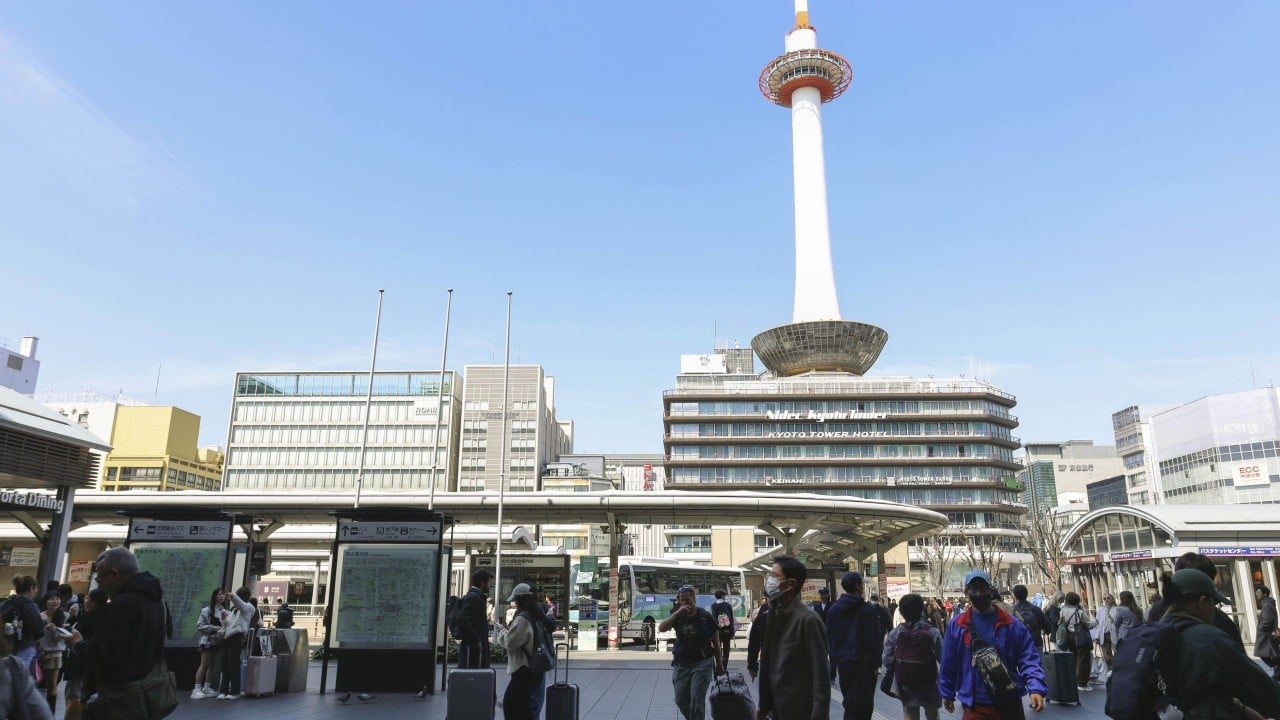
The changes aren't a free-for-all. You won't see a skyscraper next to Kinkaku-ji. The city is targeting specific areas, primarily around Kyoto Station and parts of the southern district like Fushimi. In some zones, the 31-meter cap is being scrapped entirely or raised significantly.
Near the Takeda station area, for instance, height limits are being eased to encourage office spaces and high-density housing. The logic is simple. Put the tall stuff where the infrastructure already exists. South Kyoto has long been the "industrial" sibling to the northern "cultural" side. By concentrating growth there, the city hopes to shield the historic core while providing the modern office space that tech companies like Nintendo or Kyocera actually need to expand.
The fear of becoming another Nagoya
Critics are loud, and they have a point. The primary fear is "sameness." If you look at Nagoya, Yokohama, or even parts of Osaka, the urban sprawl is indistinguishable. It's a gray sea of steel and glass. Critics argue that Kyoto’s unique "brand" is its skyline. Once you break that seal, there’s no going back.
There's a real worry that developers will use these new rules to build soulless towers that look like they belong in any mid-sized global city. I've seen this happen in other "historic" cities. You start with one "exception" for an office building, and ten years later, the mountain views are gone.
However, the city argues that these changes include strict design guidelines. Even the new, taller buildings have to incorporate traditional motifs. Think lattice-work patterns, specific roof shapes, and muted "Kyoto colors." It's an attempt to have it both ways. Whether a 20-story building can truly "look like Kyoto" is a question that remains unanswered.
Economic reality vs cultural preservation
Kyoto is broke. Well, maybe not literally bankrupt, but it’s been flirting with financial disaster for years. The city has a high proportion of students (who don't pay much tax) and a massive number of shrines and temples (which pay zero property tax).
Tourism brings in billions, but it also strains the infrastructure. Bus lines are clogged. Residents are annoyed. To balance the books, the city needs a stable tax base of permanent residents and high-valued corporate offices.
Modern companies don't want to work in cramped, four-story buildings. They want large, open-plan floor plates and high-speed tech integration. By refusing to build up, Kyoto was essentially telling its homegrown giants to look elsewhere for their next headquarters.
What this means for your next trip
If you’re a traveler, don't panic. The Higashiyama district and the area around the Imperial Palace aren't going to turn into Manhattan overnight. The most visible changes will be around the main transport hubs.
You’ll likely see more hotel options that don't cost $500 a night because the increased density allows for more mid-range inventory. You might also notice a slightly more vibrant "local" feel in the south as younger residents move back into the city.
The "museum city" model was failing the people who actually live there. Kyoto is trying to find a middle path. It’s a risky bet. If they mess it up, they lose the very thing that makes the city a global icon. If they don't do it, the city might just fade away as its population ages out.
How to see the "Old" Kyoto before it changes
If you want to experience the strictly low-rise version of the city, focus your time in these areas:
- Kamigamo and Shimogamo: These northern areas feel remarkably open and traditional.
- The philosopher’s path: Still largely protected from any significant height increases.
- Arashiyama: The mountain views here are protected by strict scenic beauty designations that even the new laws won't touch.
Check the local zoning maps if you're curious about specific neighborhoods. The Kyoto City official website actually has some pretty detailed breakdowns of where the "New Kyoto" is allowed to grow. Most of the taller construction will be concentrated south of Hachijo-dori.
Stop by the Kyoto City Hall area if you want to see the new architecture styles firsthand. They’re trying hard to blend the new heights with the old aesthetics. Some of it works. Some of it looks like a skyscraper wearing a kimono. It's worth seeing for yourself.