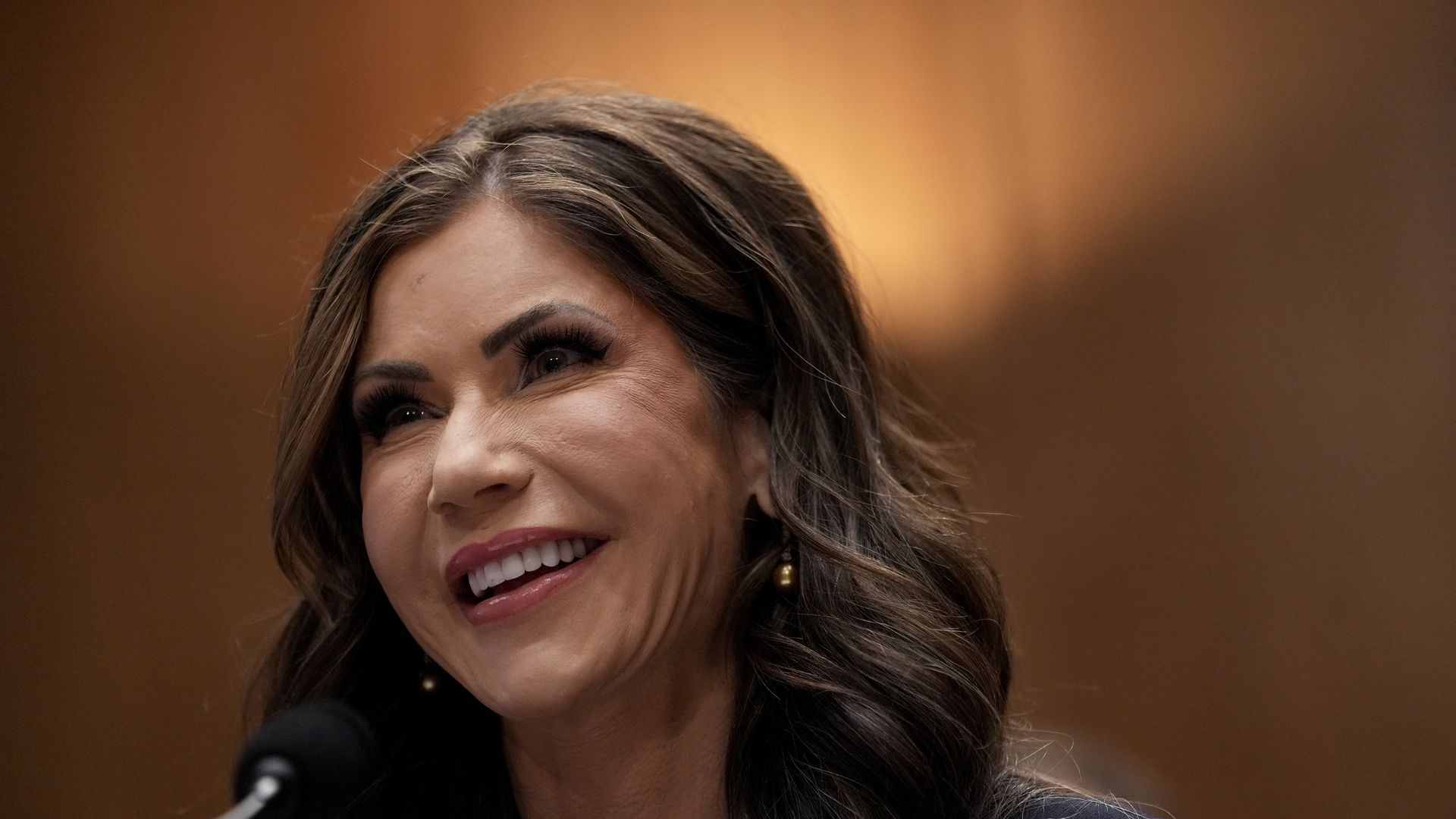
Kristi Noem probably didn't expect a relaxing day on Capitol Hill, but she likely didn't expect her own party to start calling her leadership a "disaster." On March 3, 2026, the Homeland Security Secretary stepped into a Senate Judiciary Committee hearing that quickly devolved into a five-hour interrogation. This wasn't just another partisan spat. It was a reckoning for a Department of Homeland Security (DHS) that's currently presiding over a partial government shutdown and a surge in controversial enforcement tactics.
The central tension isn't just about immigration policy anymore. It's about the deaths of American citizens at the hands of federal agents. Renee Good and Alex Pretti were shot in Minneapolis earlier this year. Noem initially labeled these incidents as "domestic terrorism." At the hearing, she wouldn't take it back. That refusal has created a rare bridge between Democrats and some very vocal Republicans.
The Minneapolis shootings and the domestic terrorist label
The deaths of Renee Good, a 37-year-old mother of three, and Alex Pretti, an intensive care nurse, changed the temperature in Washington. Good was shot on January 7. Pretti was killed on January 24 while filming federal officers. In the immediate aftermath, Noem and other administration officials, including Stephen Miller, painted these individuals as aggressors or "would-be assassins."
Bystander video tells a different story. The footage shows a much more complicated, and frankly, less threatening scene than the one DHS described. During the hearing, Senator Dick Durbin didn't hold back. He asked Noem point-blank if she'd retract the "domestic terrorist" label. She wouldn't. Instead, she blamed the "chaotic scene" and claimed she was just relaying what agents on the ground told her.
This is where the credibility gap widens. Durbin noted that the heads of ICE and CBP—Noem's own subordinates—testified previously that they never gave her information suggesting Pretti was a terrorist. If the agencies themselves aren't backing the Secretary's narrative, who is? Noem’s defense relied on the idea that "it appeared to be" terrorism at the time, but for the families sitting in the gallery, that distinction felt like a slap in the face.
When Republicans stop defending the Secretary
Usually, these hearings follow a script: Democrats attack, Republicans defend. That script was shredded when Senator Thom Tillis of North Carolina took the mic. Tillis, a retiring Republican, called Noem's tenure a "disaster." He isn't upset that she's enforcing immigration law; he’s upset because he thinks she’s doing it poorly.
Tillis argued that the administration is chasing "numbers" dictated by the White House rather than focusing on high-priority targets. He pointed to the detention of American citizens and a letter from the DHS Office of Inspector General (OIG). That letter is damning. It cites ten instances where investigators were allegedly misled or blocked from doing their jobs under Noem’s watch.
The OIG investigation blockade
- Obstruction: The OIG claims they've been "not allowed to pursue investigations" into agency conduct.
- Misinformation: Claims that investigators were provided with misleading data during oversight checks.
- Lack of Transparency: Critical matters regarding agent conduct in Minneapolis and Chicago remain stalled.
When a Republican senator vows to block all administration nominees until a DHS Secretary answers his questions, you know the internal consensus has collapsed. Tillis even brought up Noem's 2024 book—specifically the story about her killing her dog, Cricket—to illustrate a pattern of what he sees as a "messy and ugly" approach to leadership that doesn't belong in federal law enforcement.
The human cost of the enforcement surge
While the political theater played out, the hearing highlighted the actual people caught in the crossfire. Senator Richard Blumenthal had three U.S. citizens stand up in the room. Javier Ramirez, Marimar Martinez, and Leonardo Garcia Venegas were all arrested or detained by Noem’s agents despite being citizens. Martinez was shot five times by a Border Patrol agent in Chicago.
Noem’s response was clinical. She offered "condolences" but defended the aggressive tactics as necessary to catch "the worst of the worst." But the data doesn't quite support the "targeted" claim. In 2025, ICE saw 32 deaths in custody—the highest number in over two decades. Seven people died in December 2025 alone. When you have a massive surge in detention without a matching surge in medical care and oversight, these results aren't surprising. They're inevitable.
Taxpayer dollars and the branding of a Secretary
Senator John Kennedy brought up another angle that usually gets Republicans fired up: spending. DHS apparently spent $220 million on television advertisements. The catch? Secretary Noem was featured prominently in them. Kennedy noted that the contract for these ads went to Safe America Media, which then subcontracted to a group led by the husband of Noem’s former spokesperson, Tricia McLaughlin.
Noem insisted that career employees handled the contract and she didn't interfere. Still, the optics are terrible. Spending nearly a quarter-billion dollars on what looks like a personal PR campaign while the department faces a funding shutdown is a tough sell, even to her allies. It reinforces the idea that the department is more focused on the "show" of enforcement than the reality of it.
The path forward for DHS oversight
The hearing didn't end with a resolution. It ended with a deeper divide. Noem is scheduled to appear before a House committee next, but the Senate is where the real pressure lies. With the DHS shutdown entering its third week, Democrats are holding firm on demands for ICE reforms, including prohibiting agents from wearing masks and requiring more transparency in shooting investigations.
If you're following this, don't expect a quick fix. The standoff over the funding bill is tied directly to these oversight concerns. Tillis’s defection suggests that more Republicans might be willing to trade Noem’s leadership for a more stable, less controversial approach to border security. For now, the Secretary remains "resolute," but being resolute doesn't reopen the government or bring back the trust lost in Minneapolis.
If you want to keep track of the legislative fallout, watch the Senate spending bill negotiations this week. That's where the real power move will happen. You should also keep an eye on the OIG’s upcoming reports, which will likely provide more detail on those ten instances of "misleading" information Tillis mentioned. The pressure isn't going away; it's just moving from the hearing room to the budget office.