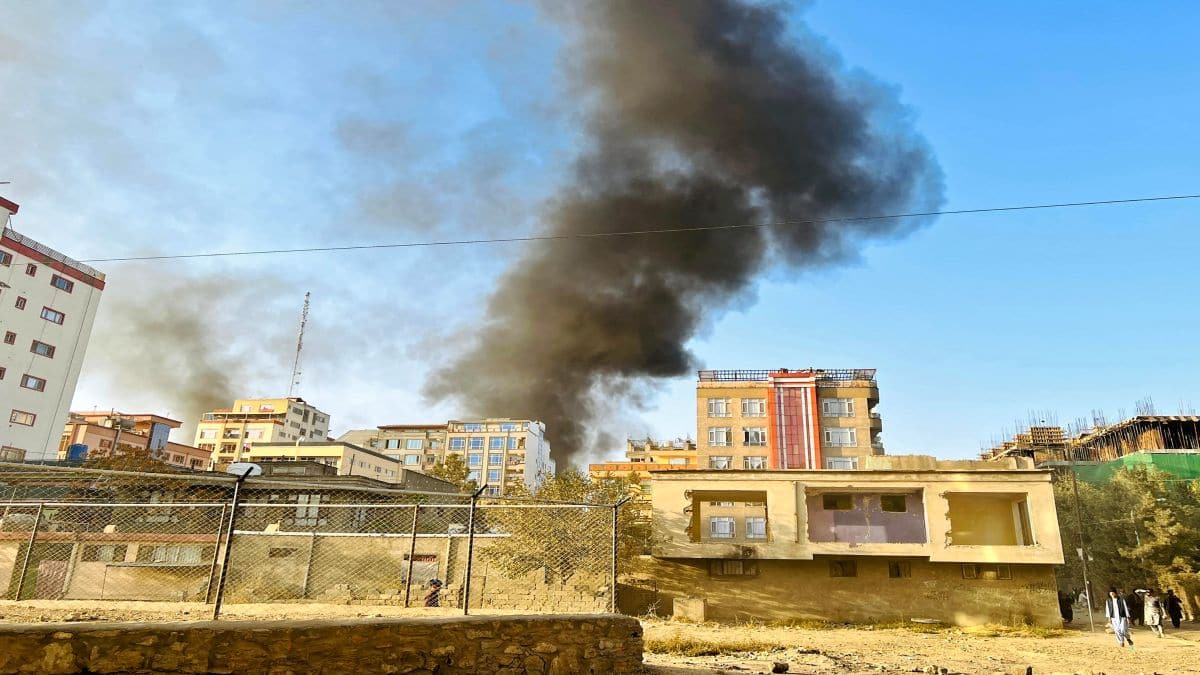
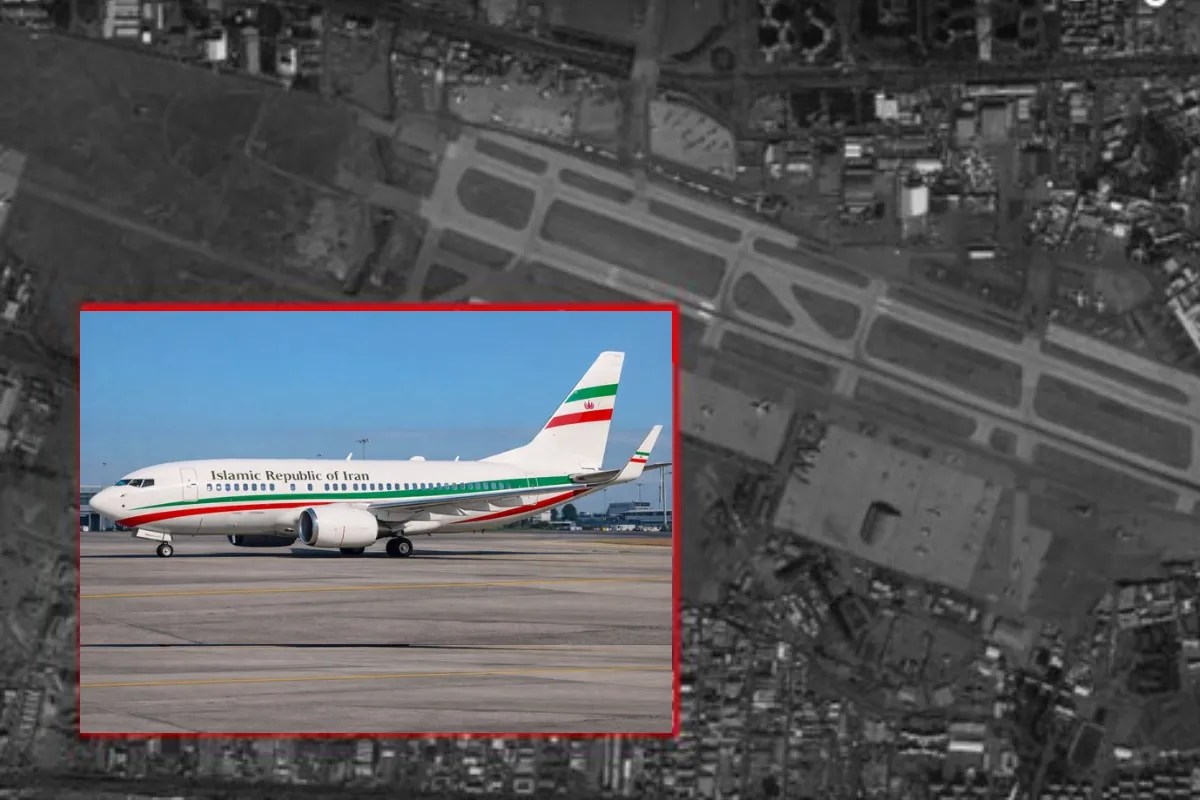
The March 2024 strikes by Pakistani forces against targets inside Afghan territory represent a fundamental breakdown in the bilateral security architecture of South Asia. While officially characterized as a counter-terrorism operation following an attack in North Waziristan, the kinetic nature of the strike—targeting locations in Khost and Paktika provinces—signals a shift from diplomatic containment to a policy of proactive attrition. The reported casualties, including women and children at a facility described by local sources as a health clinic, highlight the recurring failure of high-precision intelligence when applied to porous, non-state-governed geographies. This escalation is not an isolated event; it is the logical result of three intersecting structural pressures: the collapse of the Doha-era security guarantees, the internal political necessity for the Pakistani military to project strength, and the Taliban’s inability to transition from an insurgent force to a regional border regulator.
The Triad of Border Instability
To understand why a state would risk direct military engagement with a neighbor it once supported, the situation must be viewed through three distinct analytical pillars.
1. The Asymmetry of Accountability
Pakistan’s primary grievance centers on the Tehrik-i-Taliban Pakistan (TTP). From a strategic perspective, the TTP functions as a parasitic entity that utilizes the Afghan "strategic depth" to launch incursions into Pakistani sovereign territory. The Taliban government in Kabul faces a double-bind: suppressing the TTP risks internal ideological fracturing among their own ranks, while harboring them invites the very kinetic responses seen in Paktika. This creates an accountability vacuum where the de facto rulers of Afghanistan benefit from the TTP’s presence as a lever against Islamabad but refuse to bear the cost of the TTP’s external actions.
2. The Failure of the Buffer Zone Logic
Historically, the Durand Line served as a managed friction point. However, the completion of Pakistan’s border fencing project and the subsequent Taliban resistance to that fence changed the physical reality of the frontier. When physical barriers fail to stop militant movement, the military logic dictates that the source of the movement—the "launchpad"—must be neutralized. The strike on the Afghan side of the border was an attempt to reset the cost-benefit analysis for the Taliban, signaling that Afghan soil is no longer a sanctuary.
3. Domestic Power Projection
Internally, the Pakistani state is navigating a period of intense polarization and economic volatility. In such environments, the military establishment often utilizes external security threats to consolidate domestic legitimacy. By striking across the border, the state attempts to demonstrate that it retains the "monopoly on violence," even as internal security metrics suggest a resurgence of domestic insurgency.
The Intelligence-Kinetic Gap
The discrepancy between Pakistan’s stated targets (TTP commanders) and the reported reality (a medical facility and civilian deaths) reveals a systemic flaw in transborder operations. This "Intelligence-Kinetic Gap" occurs when high-level strategic objectives are executed via tactical assets without real-time, ground-level verification.
The mechanisms of this failure include:
- Target Decay: Information regarding the location of high-value targets in rural Afghanistan has a high rate of decay. By the time a strike is authorized and executed, the target has often moved, leaving only the infrastructure behind.
- Signal Noise: In areas like Khost, where militant groups and civilian populations are deeply integrated, distinguishing between a "safe house" and a "health clinic" is often impossible via signals intelligence (SIGINT) alone.
- Collateral Calculation: Military planners often accept a higher margin of error in foreign territory because the political cost of civilian deaths is externalized. However, this ignores the radicalization cycle that follows such strikes.
The Economic Cost of Kinetic Diplomacy
Modern warfare between developing nations is rarely sustainable due to the immediate impact on trade corridors. The closure of the Torkham and Chaman border crossings following military friction acts as a self-inflicted economic sanction.
The disruption follows a predictable sequence:
- Immediate Trade Stoppage: Perishable goods rot at the border, impacting small-scale agricultural exporters.
- Increased Risk Premium: Transit fees and insurance for regional shipping spike, driving up the cost of basic commodities in both nations.
- Formal to Informal Shift: When legal trade routes close, smuggling increases. This paradoxically strengthens the very militant groups the military strikes were intended to weaken, as these groups often control the informal "taxation" of smuggled goods.
Strategic Constraints and the Path of Escalation
The use of air strikes suggests that Pakistan has moved beyond the "Grey Zone" of covert operations into overt conventional warfare. This is a high-risk gamble. Afghanistan, despite its lack of a modern air force, possesses a significant inventory of MANPADS (Man-Portable Air-Defense Systems) and a battle-hardened infantry. A protracted border conflict would drain Pakistan’s limited foreign exchange reserves and further destabilize its western frontier.
The current trajectory points toward a "tit-for-tat" cycle. If the Taliban decides to retaliate, they will not do so through conventional air strikes, which they cannot perform. Instead, they will likely facilitate increased TTP incursions or use heavy artillery against Pakistani border posts. This asymmetrical response makes a decisive "victory" impossible for Pakistan.
The bottleneck in any resolution is the lack of a neutral third-party mediator. The United States has largely pivoted away from the region, and China, while interested in stability for its Belt and Road Initiative, is hesitant to become a security guarantor in the "graveyard of empires." This leaves the two actors in a closed-loop system of escalation.
The immediate tactical requirement for Pakistan is a move away from unverified aerial bombardment toward localized, intelligence-led special operations that do not involve the use of heavy ordnance in civilian-adjacent areas. Failure to adjust this posture will lead to a permanent state of border war, rendering the Durand Line a zone of perpetual combat rather than a functional international boundary. The state must weigh the temporary satisfaction of a "strong" military response against the long-term strategic catastrophe of a hot war on its western flank while its eastern flank remains permanently mobilized.