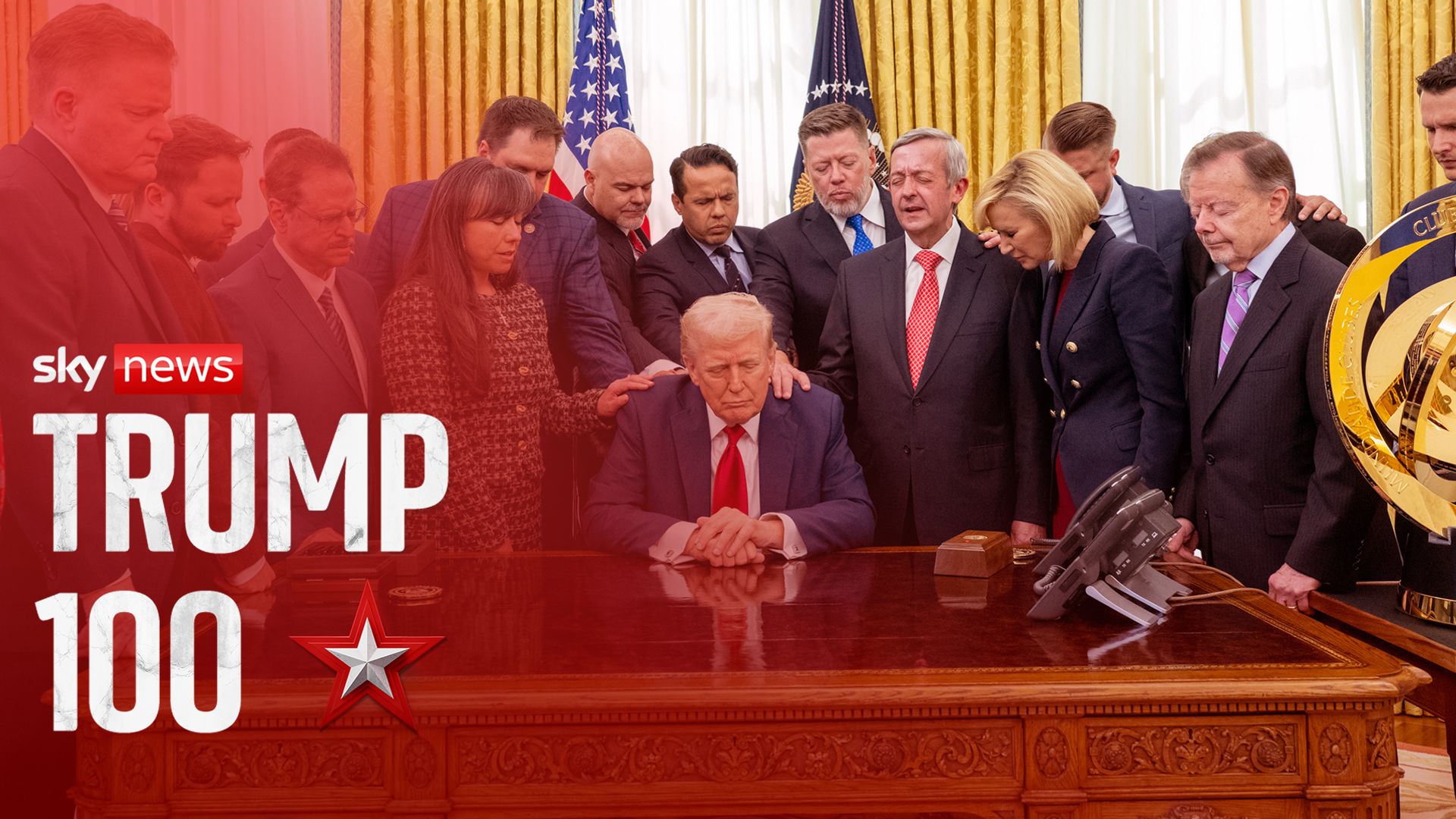
Donald Trump just called British aircraft carriers "toys." He’s previously called Keir Starmer "no Winston Churchill" and "shocking." If you’re waiting for the Prime Minister to fire back with a witty insult or a defensive rant, don’t hold your breath. Starmer isn't just ignoring the noise; he’s betting his entire premiership on the idea that being the "adult in the room" is the only way to survive a second Trump term.
The friction point is simple: Iran. Washington wants the UK to dive headfirst into offensive strikes. London is saying no. Starmer has restricted British involvement to "defensive action" only, protecting shipping in the Strait of Hormuz while refusing to let US B-2 bombers use the Diego Garcia base for strikes on the Iranian mainland.
It’s a massive gamble. Trump is notoriously transactional, and "no" isn't a word he accepts gracefully. But Starmer’s calculation is that the British public has zero appetite for another Middle Eastern war, especially one that’s already driving energy bills through the roof in early 2026.
The toy carrier spat and the reality of UK power
Trump’s latest outburst at a White House Cabinet meeting—calling the HMS Queen Elizabeth and HMS Prince of Wales "toys" compared to US carriers—wasn't just a random insult. It was a calculated jab at Britain's military delays. The UK didn't send a carrier to the Gulf when the conflict flared up; Starmer suggested sending one "after the war ends."
To Trump, that’s cowardice. To Starmer, it’s pragmatism. He knows the UK military is stretched thin after years of under-investment. He's currently clearing up what he calls a "mess" inherited from the previous government, and he’s refusing to commit to a 2.5% defense spending target until he can "explain exactly how it’s going to be funded."
You can see why this grates on a president who values "strength" and "deals" above all else. Trump sees a Prime Minister who is "overly dependent" on his advisors and briefing books. He told Starmer directly, "You don't need to meet with your team, you're the Prime Minister." But Starmer’s legalistic, process-driven nature is exactly what he’s using as a shield. He’s leaning into his "irreducible" core values to avoid being bullied into a conflict that could tank the UK economy.
Why the special relationship isn't actually dead
Despite the "Contempt Actually" headlines, the UK-US bond isn't as broken as the rhetoric suggests. Look at the numbers. Total goods trade between the two was roughly $148 billion in 2024. In May 2025, the two leaders signed a "historic" trade deal that gave US farmers unprecedented access to UK markets in exchange for lowering tariffs on UK autos and steel.
This is the leverage Starmer is trying to protect. He’s willing to take the public insults if it means keeping the 10% reciprocal tariff rate in place. He’s playing a long game where he absorbs the "childish" spats—as Kemi Badenoch called them—to keep the economic gears turning.
- The Diego Garcia Factor: Starmer originally denied US access to the base, forcing B-2 bombers to fly 17 hours back to Missouri. He eventually relented for "specific strikes tied to shipping."
- The Iran Red Line: 59% of UK voters oppose the Iran conflict. Starmer knows that following Trump into a full-scale war would be political suicide at home.
- The Economic Fallout: The Bank of England held interest rates in March 2026 because of the war’s impact. Starmer is desperate to de-escalate to save his promise of easing the cost of living.
Living with an unpredictable ally
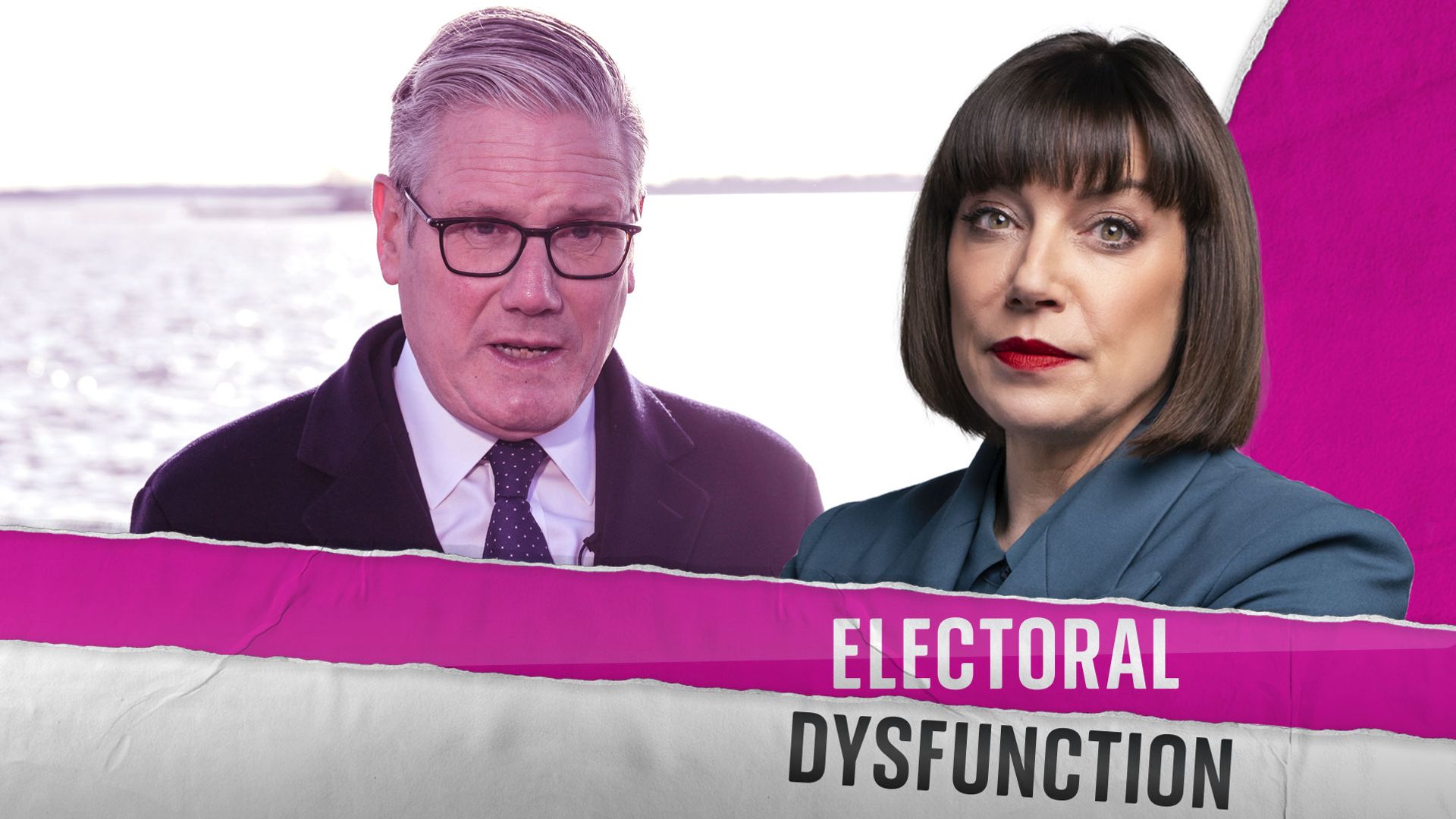
Starmer recently admitted on the Electoral Dysfunction podcast that he occasionally swears to himself about the situation. Honestly, who wouldn't? He’s trying to manage a relationship with a man who thinks in tweets and "tough guy" optics while he thinks in legal briefs and national interests.
The Prime Minister’s strategy is to remain "laser-focused" and "unapologetic." He understands that Trump’s insults are just tools to apply pressure. By not reacting, he denies Trump the satisfaction of a fight. It’s a boring strategy, sure, but it’s the only one that keeps the UK out of a war it can’t afford.
The real test comes next month. King Charles is still expected to visit the US for a state dinner to mark the 250th anniversary of American independence. Trump says it will be "great." If the King gets a warm welcome while the PM gets called a "toy," Starmer will likely just smile and keep reading his briefing books. He’s decided that his legacy won't be defined by whether Trump likes him, but by whether he kept Britain out of the fire.
If you're watching this play out, stop looking at the headlines and start looking at the shipping lanes. As long as British mine-hunting drones are in the water and the trade deal remains intact, the "special relationship" is doing exactly what it's supposed to do: surviving. Keep an eye on the upcoming Strategic Defence Review; that's where we'll see if Starmer actually puts his money where his mouth is on military strength.