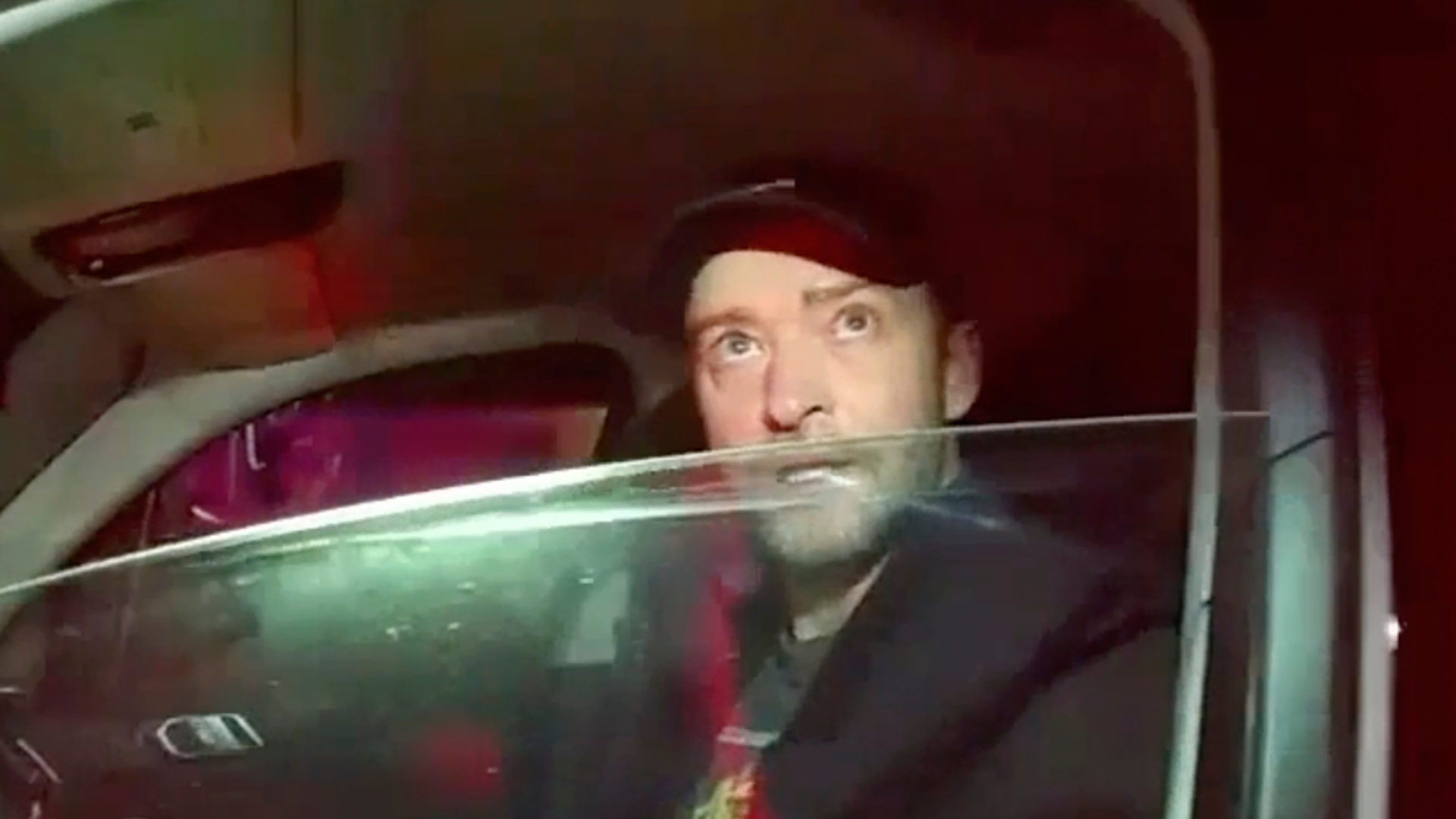
The footage of Justin Timberlake’s Sag Harbor arrest is finally out, and the vultures are feasting. Eight hours of bodycam video, scrubbed and redacted, shows a middle-aged pop star struggling with the basic physics of a sobriety test. He stammers about a "world tour." He asks for the cell light to stay on. He looks exactly like what he was at that moment: a man whose internal compass hit a dead zone in the Hamptons.
The "lazy consensus" from the media and the public is already solidified. To the moralists, this is a victory for transparency and a warning to the elite. To the fans, it is a cruel invasion of privacy. Both sides are wrong. This release isn't about public safety or accountability. It is a calculated piece of bureaucratic theater that serves no one but the voyeurs.
Stop pretending this video is a "teachable moment." It is a distraction from the systemic failure of how we actually handle impaired driving in this country.
The World Tour Delusion
In the footage, Timberlake’s most mocked line—"This is going to ruin the tour"—is followed by an officer asking "What tour?" and Timberlake responding "The world tour." It’s been treated as the ultimate "don’t you know who I am?" moment. But look closer at the mechanics of celebrity.
I have seen management teams spend millions to insulate stars from the reality of their own actions. When you live in a bubble where every whim is a command, the "world tour" isn’t just a job; it is your entire reality. Timberlake wasn't being arrogant; he was being honest about his specific, warped stakes. For a man of his stature, the loss of liberty is a secondary fear to the loss of the machine.
The public scoffs because they want to see the "privileged" suffer. But if the goal of releasing this footage was truly to deter others, we have failed. Research from the Johns Hopkins Bloomberg School of Public Health has shown that celebrity DUI coverage almost never focuses on public health or the actual dangers of the road. Instead, it focuses on the "glamour" or the "fall from grace." We aren't learning not to drink and drive; we are learning how to watch a car crash in slow motion without feeling guilty.
The Transparency Trap
Sag Harbor officials claim they released this to be "as transparent as can be." That is a convenient lie. Transparency is for government operations, not for the granular humiliation of individuals who have already pleaded guilty and served their time.
Timberlake pleaded guilty to a non-criminal driving impairment charge in September 2024. He paid his $500 fine. He did his 25 hours of community service. He gave his required public service announcement. The legal "debt" was paid. Releasing the video now, nearly two years after the fact, serves no "legitimate public interest in understanding the operations of government," as his lawyers correctly argued.
Unless, of course, the government operation we are trying to understand is how a small-town police department handles its 15 minutes of fame. By holding this footage until 2026, the authorities have ensured a second cycle of headlines. This isn't justice; it's a content play.
The PSA Farce
As part of his plea, Timberlake had to record a PSA warning others about the dangers of driving after even one drink. It’s the standard celebrity penance. It’s also completely ineffective.
Imagine a scenario where we spent the resources used to litigate this video release on actual preventative measures—like expanded late-night transit in high-density "nightlife" zones or mandated ignition interlock devices for all offenders, regardless of their tax bracket. Instead, we settle for a 30-second clip of a celebrity looking somber.
The PSA is a performance. The video release is the encore. We are obsessed with the optics of the crime rather than the mechanics of the solution.
The Privacy Myth
Critics argue that if you’re arrested in public, you have no expectation of privacy. Legally, they are mostly right. Morally, they are missing the nuance.
Bodycam footage was designed to protect citizens from police misconduct and to hold officers accountable for the use of force. It was not designed to provide high-definition "ruin" for the entertainment of the masses. When we weaponize public records laws to satisfy a craving for celebrity schadenfreude, we devalue the very purpose of those laws.
If this were an unknown person in Sag Harbor, this footage would be sitting in a digital vault, untouched. The "public interest" here is synonymous with "public curiosity." Confusing the two is a dangerous precedent for anyone who might find themselves in the back of a squad car on their worst night.
The Wrong Questions
The media is asking: "Does he look drunk?" "Was he entitled?" "Will this kill his legacy?"
The real questions are:
- Why does the legal system allow "impaired driving" to be plead down to a traffic violation for those who can afford high-priced counsel?
- Why is the release of bodycam footage subject to the whims of a "negotiated agreement" rather than a strict, universal standard?
- How many lives are actually saved by watching a pop star fail a walk-and-turn test?
The answer to the last one is likely zero. We aren't safer because we saw Justin Timberlake stumble. We are just more entertained.
Stop looking at the footage. Look at the system that thinks this is what accountability looks like.
Would you like me to analyze the specific legal precedents being set by the Sag Harbor court’s decision to release redacted footage over the defendant's objections?