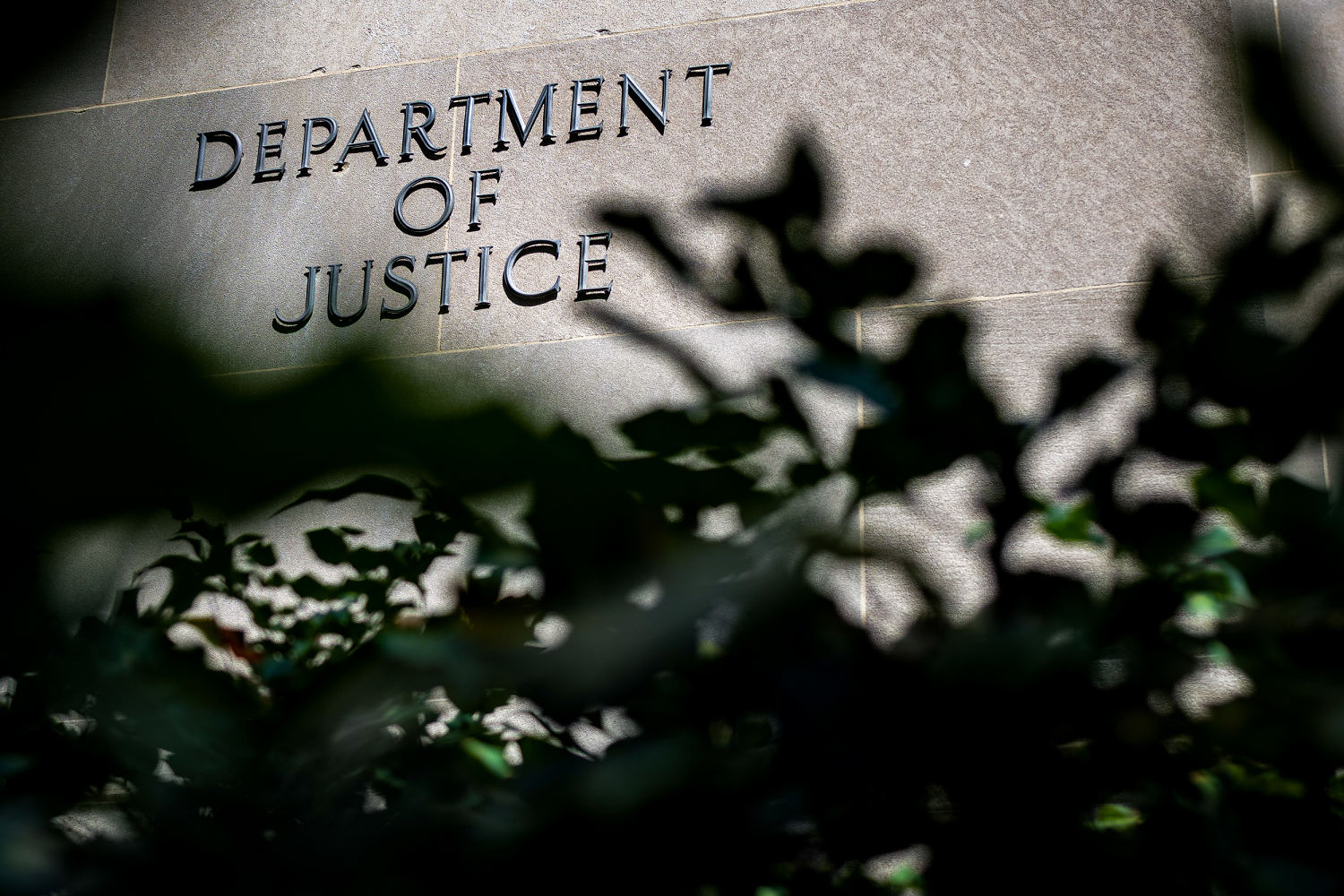
The US government just knocked a group of Iranian hackers offline, or at least they tried to. By seizing dozens of website domains used by the "Mint Sandstorm" collective—also known as Phosphorus or APT35—the Department of Justice sent a loud message. But if you think this stops the threat, you're mistaken.
These seizures are a digital game of whack-a-mole. The FBI and DOJ identify the web addresses these state-sponsored actors use to command their malware or trick victims into handing over passwords. Then, they get a court order to take them over. It's a high-profile move that disrupts ongoing operations for a few days, maybe weeks. It’s a tactical win. It isn't a strategic victory.
The Real Story Behind the Mint Sandstorm Takedown
Mint Sandstorm isn't some basement operation. They're linked to the Islamic Revolutionary Guard Corps (IRGC). This group targets high-value individuals—think former government officials, journalists, and Middle East policy experts. They don't just blast out generic spam. They spend months researching their targets to craft "spear-phishing" emails that look incredibly legitimate.
The Department of Justice recently announced it seized six domains that were central to these operations. These addresses were designed to look like legitimate security providers or login portals. When a target clicked a link in a fake security alert, they weren't going to Microsoft or Google. They were going to a server controlled by Tehran.
This wasn't just about stealing emails. The DOJ found evidence that these domains were used to deploy custom backdoors. Once the hackers got a foothold, they stayed there. They watched. They waited. They exfiltrated sensitive data that informs Iranian foreign policy. Taking the domains is like cutting the phone lines to a spy’s safehouse. It’s annoying for the spy, but they’ll just find a new house and a new phone.
Why Domain Seizures Often Fail to Stop the Bleeding
Most people hear "Justice Department seizes domains" and think the bad guys are in handcuffs. They aren't. These hackers are sitting safely in Tehran, well out of reach of US law enforcement.
The infrastructure of the internet makes this a lopsided fight. It takes months of forensic work for the FBI to tie a specific domain to a state actor with enough evidence to satisfy a judge. It takes a hacker about thirty seconds and ten dollars to register a new one. They use "domain hopping" and "fast-flux" DNS techniques to move their operations faster than a legal team can file a motion.
We've seen this play out before with groups like Fancy Bear (Russia) and Lazarus Group (North Korea). The US seizes a hundred domains, and the next morning, the hackers have a hundred more. It’s a cycle of temporary disruption. While the DOJ deserves credit for making the IRGC's life harder, we have to be honest about the limitations of this approach. It’s a speed bump, not a brick wall.
The Human Element is the Real Vulnerability
Technology didn't fail in these attacks. Humans did. Mint Sandstorm succeeds because they're great at social engineering. They might spend weeks engaging in a friendly back-and-forth on LinkedIn with a researcher before ever sending a malicious link. They build trust.
When the "security alert" finally arrives, the victim doesn't think twice. They've been primed. No amount of domain seizures can fix a lack of digital skepticism. If you work in policy, defense, or journalism, you're a target. Period. You should assume that every unsolicited link, even from someone you’ve chatted with online, is a potential threat.
What This Means for Your Personal Security
You might think you’re not important enough for Iranian state hackers to care about. Maybe you’re right. But the tools and techniques these groups "pioneer" eventually trickle down to common cybercriminals. The "sophisticated" attack of 2024 becomes the "script kiddie" template of 2026.
If the DOJ is out there seizing domains, it’s a sign that the threat environment is hitting a boiling point. We're seeing an increase in state-sponsored activity targeting infrastructure and private individuals to gain leverage in geopolitical disputes.
Don't wait for a government press release to tell you the internet is dangerous. There are concrete things you should be doing right now that actually work.
- Switch to Hardware Security Keys. If you're still using SMS codes for two-factor authentication, you're wide open. Mint Sandstorm and similar groups can intercept or bypass SMS codes easily. Use a physical YubiKey or Google Titan key. It's the only way to virtually guarantee a phishing link won't compromise your account.
- Audit Your Third-Party Apps. These hackers love "OAuth" phishing. They don't ask for your password; they ask you to "Authorize" an app to access your inbox. Once you click 'Allow,' they have a token that lets them in even if you change your password. Go to your Google or Microsoft account settings and revoke anything you don't recognize.
- Use a Managed DNS Provider. Services like Cloudflare or NextDNS can block known malicious domains before your browser even tries to load them. It’s an extra layer of protection that operates faster than the DOJ's legal department.
- Separate Your Digital Personas. If you deal with sensitive information, don't use the same browser or even the same computer for your personal social media. The "pivot" is a favorite hacker move. They find a hole in your personal life to jump into your professional one.
The DOJ's actions are a necessary part of a broader "defend forward" strategy. It makes the IRGC's operations more expensive and time-consuming. But the responsibility for staying secure doesn't stop at the government's door. It's on you to make sure that when the next Mint Sandstorm domain goes live, you aren't the one clicking the link.
Check your account permissions today. Every single one of them. If an app hasn't been used in six months, delete it. If a contact you haven't spoken to in years suddenly sends you a "must-read" PDF, delete that too. Be the hard target.