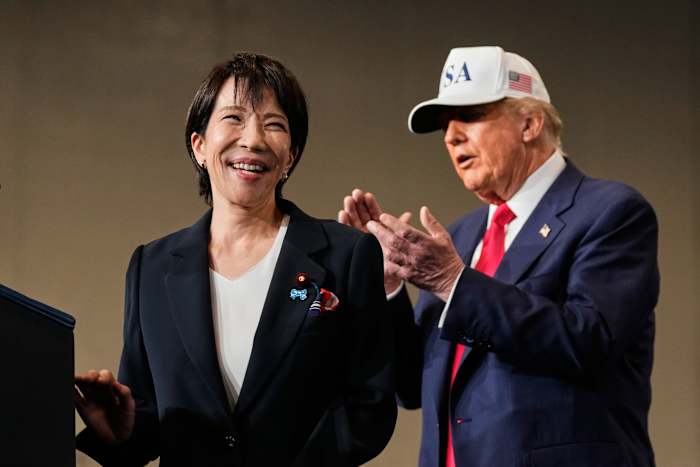
Sanae Takaichi didn’t sign up for this. When she became Japan’s first female Prime Minister last October, the mission was clear: keep China at bay and ride the wave of a "new golden age" in U.S.-Japan relations. Instead, she’s boarding a plane to Washington on Wednesday to face a President Donald Trump who’s currently embroiled in a high-octane war with Iran—and he wants Japan to start acting like a "real" military ally.
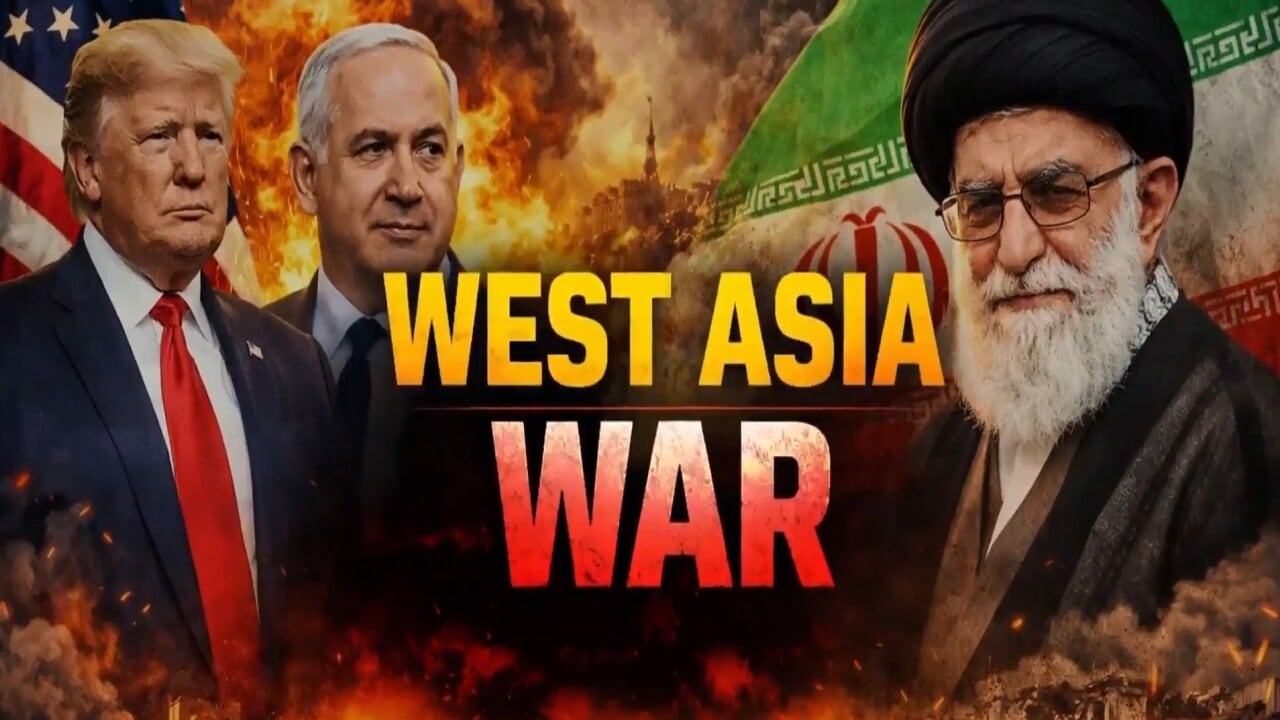
This isn’t just another diplomatic photo op. It’s a crisis meeting. Since the U.S. and Israel launched strikes on Iran on February 28, the world has tilted on its axis. For Japan, a country that gets 95% of its oil from the Middle East, the fallout isn't a theory; it's a direct hit to the gas pump and the national power grid.
The Hormuz Trap
Trump hasn't been subtle. He’s already taken to X to "suggest" that allies like Japan should volunteer warships to secure the Strait of Hormuz. While he later walked it back, complaining about a "lack of enthusiasm," the pressure hasn't vanished. It’s just moved behind closed doors.
Takaichi is walking a razor-thin line. If she says "no" too loudly, she risks alienating a President who views alliances through the lens of a balance sheet. If she says "yes," she hits a wall of constitutional constraints and a Japanese public that has zero appetite for Middle Eastern combat. Honestly, it’s a political nightmare.
Right now, her stance is firm: no warships. At least, not yet. She told parliament hours before her departure that there are "no plans" for a deployment. She’s leaving the door cracked for "survey and intelligence missions," but only after a ceasefire. It’s a classic Tokyo stall tactic, but with Trump, those don’t always work.
Why the Indo-Pacific is Shaking
While Washington focuses on Tehran, Tokyo is looking at Beijing. This is the part most people are missing: the Iran war is actively hollowing out the defense of Asia.
The Pentagon has already started shifting assets. Around 2,500 Marines and an amphibious warship were recently redirected from Japan to the Arabian Sea. In South Korea, THAAD and Patriot missile systems are being packed up and moved to the Middle East.
For Takaichi, this is terrifying. While the U.S. is busy in the desert, China is watching for an opening in the East China Sea. She needs to walk into the Oval Office and get a blood-oath guarantee that the U.S. won’t abandon its "pivot to Asia" because it got distracted by a new war in the Gulf.
The "Golden Dome" Offering
Takaichi isn’t going to Washington empty-handed. She knows Trump likes big deals and big spending. To keep the alliance "ironclad," she’s bringing three major chips to the table:
- The Golden Dome: Japan is signaling serious interest in joining Trump’s multi-billion dollar, multi-layered missile defense system. It’s a massive financial and military commitment that aligns perfectly with Trump’s "America First" defense industrial base.
- Energy Diversification: Since Middle Eastern oil is now a liability, Japan is looking to pour billions into U.S. energy. Expect talk of increased oil production in Alaska and investments in American small modular reactors.
- Military Buildup: Takaichi is accelerating Japan’s own offensive capabilities, including long-range missiles. She’s basically saying, "We’re doing more for our own defense so you don't have to."
The Economic Reality Check
You can't ignore the math. The yen is weak, and oil prices are spiking because of the blockade risks in the Strait. Nomura Research Institute is already warning that a protracted conflict could push oil to $140 a barrel. If that happens, Japan’s economy doesn't just slow down; it hits a brick wall. Takaichi’s message to Trump will be blunt: a global recession triggered by $140 oil helps nobody, including the U.S. reelection campaign.
Navigating the "Abe" Legacy
Takaichi is a protege of the late Shinzo Abe. She’s trying to channel his "Trump-whisperer" energy, but the world is much more dangerous than it was in 2016. Abe dealt with trade wars; Takaichi is dealing with a hot war.
She’s likely to emphasize that Japan remains the most reliable U.S. partner in the world, but she’ll have to be direct about the legal limits of the Self-Defense Forces. Trump respects "strong" leaders who are upfront about their "national interest." Takaichi’s challenge is to frame Japan's reluctance to join the Iran war not as weakness, but as a strategic necessity to keep the front line against China secure.
The next 72 hours in Washington will determine if the U.S.-Japan alliance can survive a two-front geopolitical reality. If Takaichi can trade a "Golden Dome" commitment for a continued U.S. presence in the Pacific, she might just pull it off. If not, Japan might find itself looking for a Plan B.
Watch for the joint statement on Friday. If it mentions "maritime security cooperation" without specifics on the Middle East, Takaichi won. If it’s vague on the Indo-Pacific but heavy on "countering Iranian aggression," Tokyo has a problem. You should keep an eye on the Japanese yen's reaction to the summit's first day; it’ll tell you exactly how the market feels about the risk of Japanese entanglement in the Gulf.