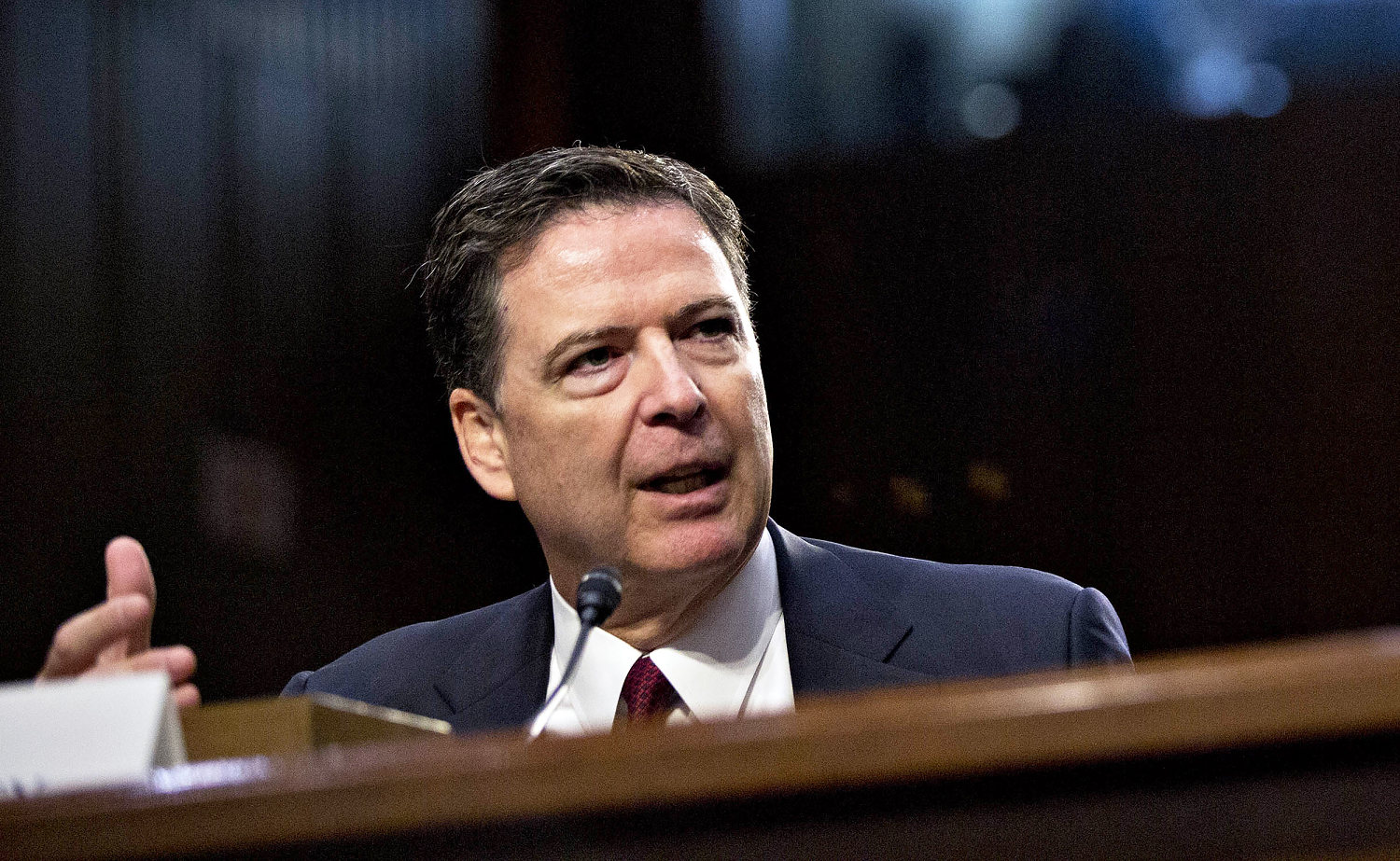
James Comey just got hit with another federal subpoena, and if you think this is just a rerun of the last few years, you haven't been paying attention. This isn't the same old legal squabble. While previous attempts to nail the former FBI Director focused on specific instances of lying to Congress, this new move by the Department of Justice in Miami signals a massive expansion into what they're calling a "grand conspiracy" involving the highest levels of the Obama and Biden administrations.
It's a high-stakes play. We're talking about a probe that has already fired off over 130 subpoenas, targeting the very people who originally investigated Donald Trump. If you've been following the news, you know that a judge recently tossed out indictments against Comey and Letitia James because of how the prosecutors were appointed. But this subpoena shows the DOJ isn't backing down; they're doubling steady. You might also find this related coverage interesting: Strategic Asymmetry and the Kinetic Deconstruction of Iranian Integrated Air Defense.
The Miami Grand Jury and the Search for a Conspiracy
This latest legal headache for Comey isn't coming from Virginia this time. It’s coming from the Southern District of Florida, a venue that’s been significantly friendlier to the current administration's arguments. The focus has shifted from "did he lie in one hearing?" to "was there a coordinated effort to sabotage a presidency?"
According to reports, the subpoena specifically targets Comey’s role in the January 2017 Intelligence Community Assessment. That’s the document that famously concluded Russia interfered in the 2016 election to help Trump and hurt Hillary Clinton. The theory being tested now is that this assessment wasn't just a collection of intel, but a manufactured tool used to trigger the Crossfire Hurricane investigation. As reported in recent articles by The Washington Post, the effects are worth noting.
The scale here is what should grab your attention.
- 130+ Subpoenas: This isn't a "sniper" prosecution; it’s a dragnet.
- Targeting the "Architects": They aren't just looking at the FBI; they're looking at the bridge between intelligence agencies and the White House.
- The Venue Factor: Moving the center of gravity to Miami, under the eyes of judges like Aileen Cannon, changes the tactical math for Comey’s defense team.
Why the Previous Case Fell Apart
To understand why they're taking this new "conspiracy" angle, you have to look at the wreckage of the last attempt. Just a few months ago, in November 2025, a federal judge dismissed charges against Comey. That case was built on allegations that he'd lied to Senator Ted Cruz during a 2020 hearing about authorized leaks to the press.
The judge didn't rule that Comey was innocent. Instead, the court found that the prosecutor, Lindsey Halligan, was essentially "masquerading" in her role because her appointment didn't follow the proper legal channels. It was a procedural disaster for the DOJ. The indictment itself was also criticized for being "thin" and rushed, barely making it in before the statute of limitations expired.
By pivoting to a "grand conspiracy" probe, the DOJ is trying to bypass those previous failures. A conspiracy charge allows them to bring in a much wider range of evidence and covers a longer timeline. They're no longer just trying to prove a single lie; they’re trying to prove a years-long plan.
The Problem with Proving Intention
Here’s the thing about conspiracy charges: they're notoriously hard to make stick when they involve government officials doing their actual jobs. For a prosecutor to win, they have to prove that Comey and others didn't just make "bad calls" or "biased decisions," but that they knowingly entered into an illegal agreement to violate Trump’s rights.
Comey’s defense is going to be what it’s always been. He’ll argue he was protecting the bureau and following the intel where it led. To get a conviction in Miami, prosecutors will need more than just "political bias." They need a smoking gun—an email, a memo, or a witness who says, "Yes, we knew the Russia stuff was fake, and we pushed it anyway."
Without that, this looks less like a legal case and more like a political autopsy.
What Happens if They Actually Find Something
If this grand jury actually returns an indictment for conspiracy, it’ll be a legal earthquake. We’d be looking at a trial that re-litigates every major headline from 2016 to 2020. It would put the entire "Deep State" narrative on trial in a way that the John Durham probe never quite managed to do.
But there’s a massive risk for the DOJ here too. If they keep issuing subpoenas and failing to bring a solid case to trial, they risk turning Comey into a permanent martyr for the "weaponized justice" crowd on the other side.
Next Steps for Following the Case
Don't expect a quick resolution. Grand jury proceedings are secret, and the legal maneuvering over this subpoena will likely take months to play out in closed hearings.
If you want to stay ahead of the curve, keep an eye on whether other big names from the 2017 era—like John Brennan or James Clapper—start receiving similar notices in Miami. That will tell you if the "conspiracy" theory is gaining enough traction for a full-scale indictment. You should also watch for any filings from Comey’s team attempting to move the case out of Florida; they know that where this trial happens is just as important as what the evidence says.
The most immediate thing to watch is the DOJ’s appeal of the previous dismissal. If they win that, Comey could be fighting two different fronts at the same time.