External Affairs Minister S. Jaishankar doesn't usually do fluff. When he showed up at the 15th convocation of IIM Raipur, he wasn't there to just hand out degrees and offer polite applause. He went there to make a point about how the global perception of India is shifting and why institutions like this one are the engine room of that change. He told the graduating class that IIM Raipur has officially made a name for itself. That’s a big statement for a school that’s relatively young compared to the heritage "ABC" (Ahmedabad, Bangalore, Calcutta) titans.
It isn't just about local pride. Jaishankar’s presence at a 15th convocation ceremony signals that the government sees these second-generation IIMs as vital players in India’s "Viksit Bharat" 2047 roadmap. If you’re a student there, or thinking of applying, you’re no longer in a "backup" school. You’re in a place that the country’s top diplomat uses as a stage to talk about global rebalancing.
The era of the second generation IIMs
For a long time, the Indian management education story was stuck in a loop. Everyone talked about the old guard. But the reality on the ground has changed. IIM Raipur has spent the last decade and a half quietly building a brand that focuses on more than just placement stats. They’ve leaned into research and a curriculum that actually reflects what’s happening in the world today, not twenty years ago.
Jaishankar pointed out that the world is watching India differently now. It’s a "New India." This isn't just a catchy slogan. It’s reflected in how we handle our foreign policy and how we train our managers. The Minister emphasized that the skills learned in Raipur aren't just for corporate boardrooms in Mumbai or Delhi. They’re for a world where India is a leading power. You can’t separate business from geopolitics anymore. The graduates leaving the hall today are entering a market where a supply chain disruption in the Red Sea or a policy shift in Washington affects their bottom line immediately.
IIM Raipur has carved out its niche by being agile. They don't have the baggage of fifty-year-old structures. They’ve integrated technology and sustainability into their core faster than many older institutions. That's why they’re making a name for themselves. They’re producing people who actually understand the messy, interconnected world Jaishankar deals with every day.
Why geopolitics is the new MBA elective
If you think an MBA is just about spreadsheets and marketing funnels, you’re living in the past. Jaishankar’s speech made it clear that today’s managers need to be "diplomat-managers." He spoke about the "Global South" and India’s role as a bridge. Honestly, if you’re graduating today and you don't understand how India’s rise affects global trade, you’re going to struggle.
The Minister’s visit highlights a shift in how we view success. It’s not just about the highest salary package—though Raipur’s numbers have been climbing steadily. It’s about the "India story." We’re seeing a democratization of excellence. You don't have to be in a metro city to get a world-class education or to be noticed by the highest levels of government. Raipur is a tech and education hub in its own right now.
Think about the context of his visit. We’re in 2026. The global economy is still trying to find its feet after years of volatility. India is one of the few bright spots. Jaishankar isn't just a minister; he’s the guy who has to explain India to a skeptical or curious world. When he says an institution has "made a name for itself," he’s saying it has met the global standard.
Breaking the old school monopoly
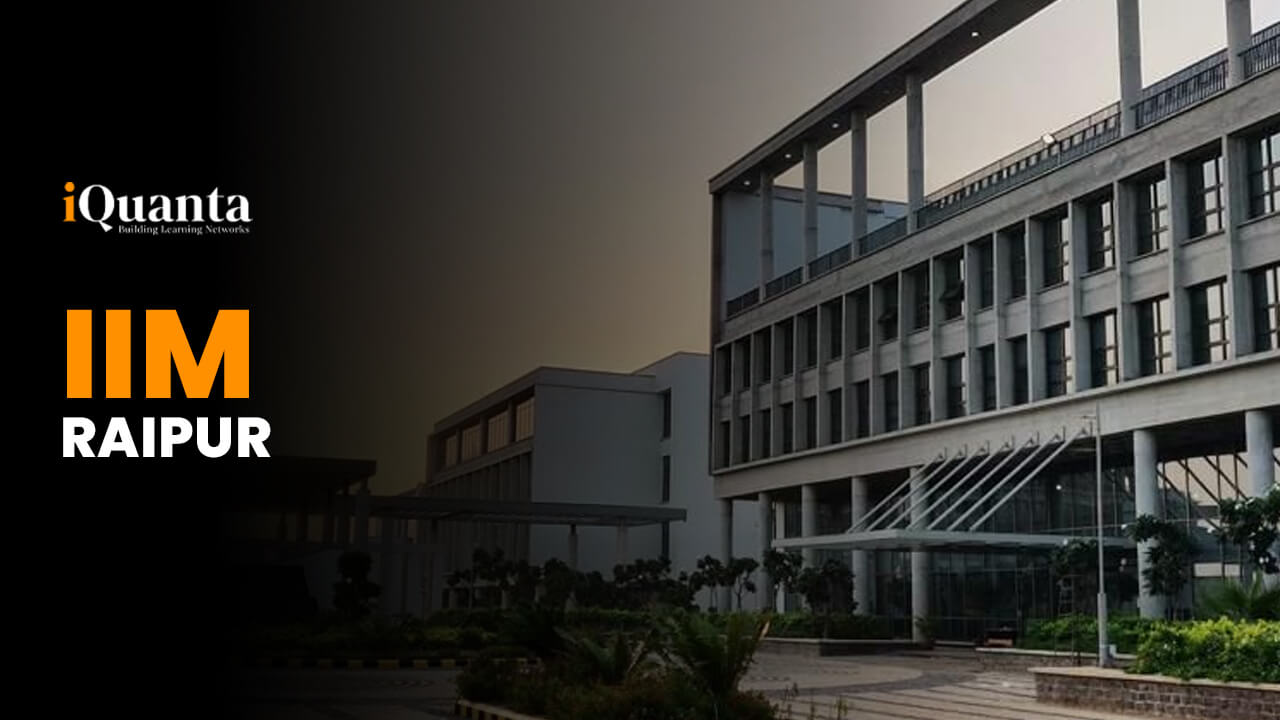
Let’s be real for a second. The obsession with the "Top 3" IIMs often blinds people to the quality coming out of places like Raipur. The faculty at IIM Raipur have been hitting high marks in international journals. Their campus is a model of modern infrastructure. This isn't a "satellite" school. It’s a powerhouse.
Jaishankar’s talk wasn't just a history lesson. It was a call to action. He talked about the responsibility that comes with the IIM brand. The 15th convocation marks a teenage milestone for the school. It’s grown up. It’s no longer "the new kid." It’s an established player.
The Minister emphasized that the current generation is lucky. You’re graduating at a time when the "Made in India" label carries weight. But that weight brings pressure. You have to perform. You have to innovate. You can’t just ride the wave; you have to be the wave. This kind of rhetoric works because it’s backed by the reality of India’s growing GDP and its influence in G20 and beyond.
What this means for future candidates
If you’re looking at the MBA map of India, Raipur should be high on your list. Why? Because the school has the backing of the state and the recognition of the central government. When the External Affairs Minister spends his time there, it’s a massive vote of confidence. It tells recruiters that this is a place of serious intellectual rigour.
- Look at the elective offerings. They’re increasingly focused on global markets.
- Check the research output. It’s practical and industry-aligned.
- Watch the alumni network. It’s reaching critical mass.
You’re seeing an institution that has matured. It’s not trying to be IIM Ahmedabad. It’s trying to be the best version of IIM Raipur. That distinction matters. It’s about creating a unique identity in a crowded market.
Beyond the convocation robes
The ceremony is over, the hats have been tossed, and the photos are on LinkedIn. But the message stays. The "Raipur brand" is now a currency. Jaishankar’s endorsement is a tool for every graduate. Use it. When you’re in an interview and someone asks about your pedigree, you point to the fact that your institution is a key part of the national growth story.
The world is messy. It’s complicated. It’s often unfair. But as Jaishankar told the students, India is navigating this mess with more confidence than ever before. Your job is to take that confidence into the private sector. Don't just look for a job. Look for a way to contribute to the momentum.
Stop worrying about whether your school is "old" or "new." Start focusing on the fact that you’re part of an institution that the world—and its top leaders—are finally taking seriously. The name is made. Now it’s your turn to live up to it. If you’re a graduate, start by updating your global outlook. If you’re a student, lean into the hard subjects. If you’re an aspirant, stop doubting the second-gen IIMs and start preparing for a place that actually has its eyes on the future.