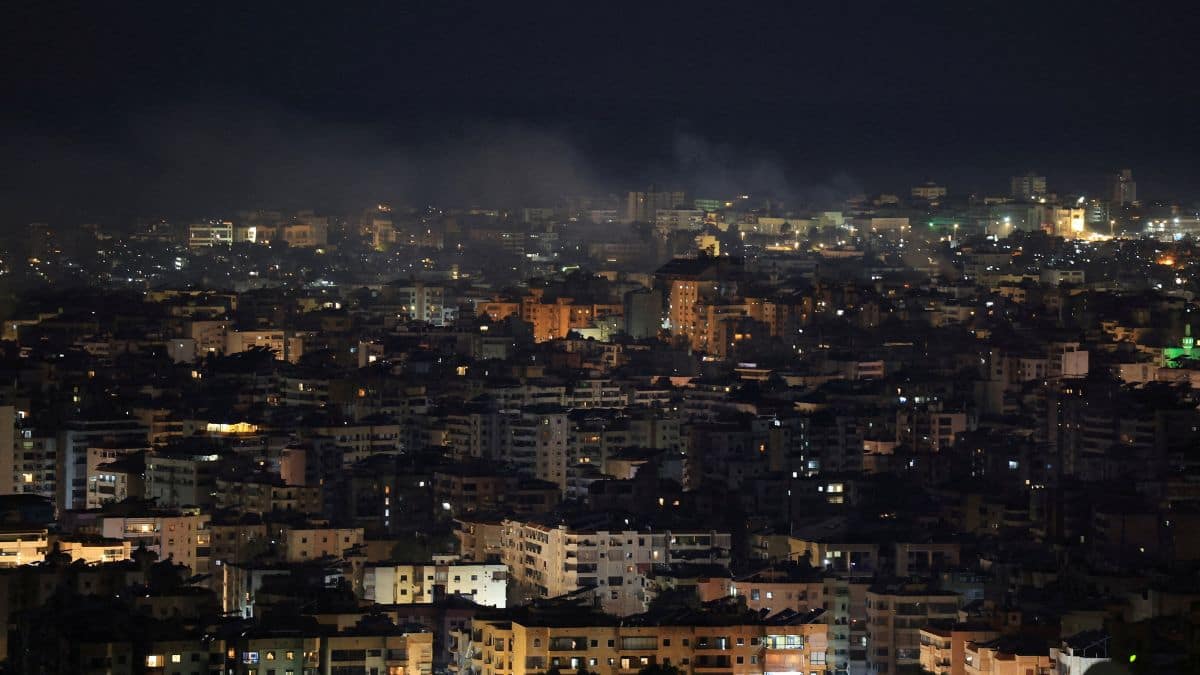
You’ve seen the headlines about the massive U.S. and Israeli air campaign against Iran. But then, almost simultaneously, the bombs started falling in Beirut and southern Lebanon again. If you're wondering why Israel is diverting its focus to Lebanon when it’s supposedly busy with the "Big One" in Tehran, you aren't alone. It looks like a distraction, but it’s actually the most calculated move on the board.
Israel isn't just attacking Lebanon for the sake of it. They're doing it because Hezbollah is the "insurance policy" Iran has spent 40 years paying for. If Israel hits Iran’s nuclear sites, the plan has always been for Hezbollah to rain 150,000 rockets down on Tel Aviv to make the cost of that hit unbearable. By striking Lebanon now, Israel is trying to cancel that insurance policy before the bill comes due. Meanwhile, you can explore similar developments here: The Cold Truth About Russias Crumbling Power Grid.
The Proxy War That Became Direct
For decades, the "Shadow War" between Israel and Iran was fought through middlemen. Iran funded groups like Hezbollah and Hamas to keep Israel busy at its borders so it wouldn't look at Tehran. That era ended on February 28, 2026, when Operation Epic Fury and Roaring Lion launched.
Now that the gloves are off with the Islamic Republic, Lebanon has become the "Northern Front" of a single, massive war. Israel’s logic is brutal: they can’t afford to let Hezbollah catch its breath. Despite the 2024 ceasefire that was supposed to push Hezbollah north of the Litani River, the group has been busy re-arming. They’ve been smuggling Iranian tech through the chaotic Syrian border and rebuilding tunnels the IDF missed. To understand the full picture, check out the detailed article by The Guardian.
Why the 2024 Ceasefire Failed
The 2024 deal looked good on paper. It promised a 60-day window for the Lebanese Armed Forces (LAF) to take control of the south. But let’s be real. The LAF is broke and under-equipped. They can’t—or won’t—actually kick Hezbollah out of their own heartland.
Intelligence reports throughout late 2025 showed that Hezbollah was already back in the "Blue Line" zone. They weren't just sitting there; they were waiting for the signal from Tehran. When Israel and the U.S. finally moved against Iran's nuclear facilities this year, that signal went out. Hezbollah’s attacks on Haifa on March 1, 2026, were the final straw. Israel responded not with "mowing the grass," but with a full-scale attempt to dismantle the organization for good.
Killing the Infrastructure of Terror
Israel’s current campaign in Lebanon is targeting three specific things. First, the long-range precision missiles. These are the "city killers" that can reach Jerusalem and the offshore gas rigs. Second, they're hitting the remaining leadership. After the 2024 assassination of Hassan Nasrallah, the group’s command structure was messy but still functional. Recent strikes have targeted the "reconstitution" specialists like Haytham Ali Tabatabaï.
Third, and perhaps most importantly, Israel is striking the supply lines from Syria. With the Assad regime gone, the vacuum in Syria has become a Wild West of weapon smuggling. Israel is bombing convoys and warehouses to ensure that whatever Hezbollah fires today, they can’t replace tomorrow.
The Iranian Connection is Physical
You can't separate the strikes in Lebanon from the strikes in Iran. They're two ends of the same snake. Iran uses the "Axis of Resistance" to project power. If Hezbollah is crushed, Iran loses its primary way to hurt Israel on the ground.
- Deterrence: If Hezbollah stays quiet, Israel can focus 100% of its air power on Iranian nuclear and military sites.
- Retaliation: If Iran orders a massive drone swarm, Israel needs Lebanon to be too damaged to join the party.
- Regime Survival: As the Islamic Republic faces internal collapse and the loss of its top generals, it’s desperately trying to spark a regional fire to distract its own people.
What This Means for Lebanon
Honestly, Lebanon is caught in a nightmare. The country is essentially a hostage to Hezbollah’s military ambitions. The government in Beirut has condemned the Israeli strikes, but they’ve also started a desperate move to ban Hezbollah's military activity. It’s likely too little, too late.
The Lebanese economy is in a tailspin, and the infrastructure can’t take another 2006-style war. But as long as Hezbollah serves as Iran's forward operating base, Israel sees the entire country as a legitimate battlefield.
The Real Goal
Israel isn't looking to occupy Lebanon again. They've been there, done that, and it was a disaster. The goal is "Deterrence by Punishment." They want to make the cost of being an Iranian proxy so high that the group—and the Lebanese people—finally realize that the "Resistance" is just a suicide pact.
The next few weeks will be the most dangerous the region has seen in fifty years. If Israel successfully neutralizes Hezbollah’s rocket arrays while simultaneously crippling Iran’s nuclear program, the map of the Middle East will be redrawn forever. If they fail, we’re looking at a war of attrition that could last years and pull in every major power on the planet.
Watch the Syrian border and the Litani River. If the IDF crosses back into Lebanon in force, the 2024 ceasefire is officially ancient history, and the 2026 war is just getting started. Keep an eye on the flight paths of Israeli F-35s—they’re telling the real story of where this conflict is going.