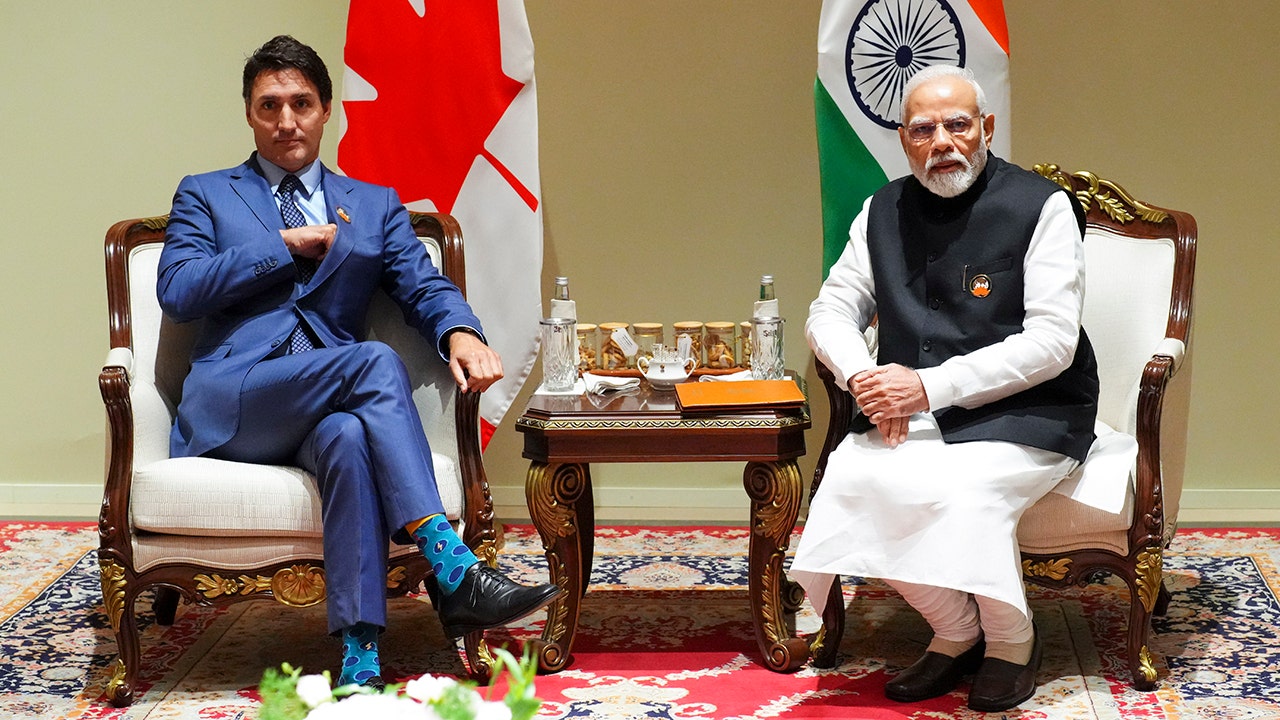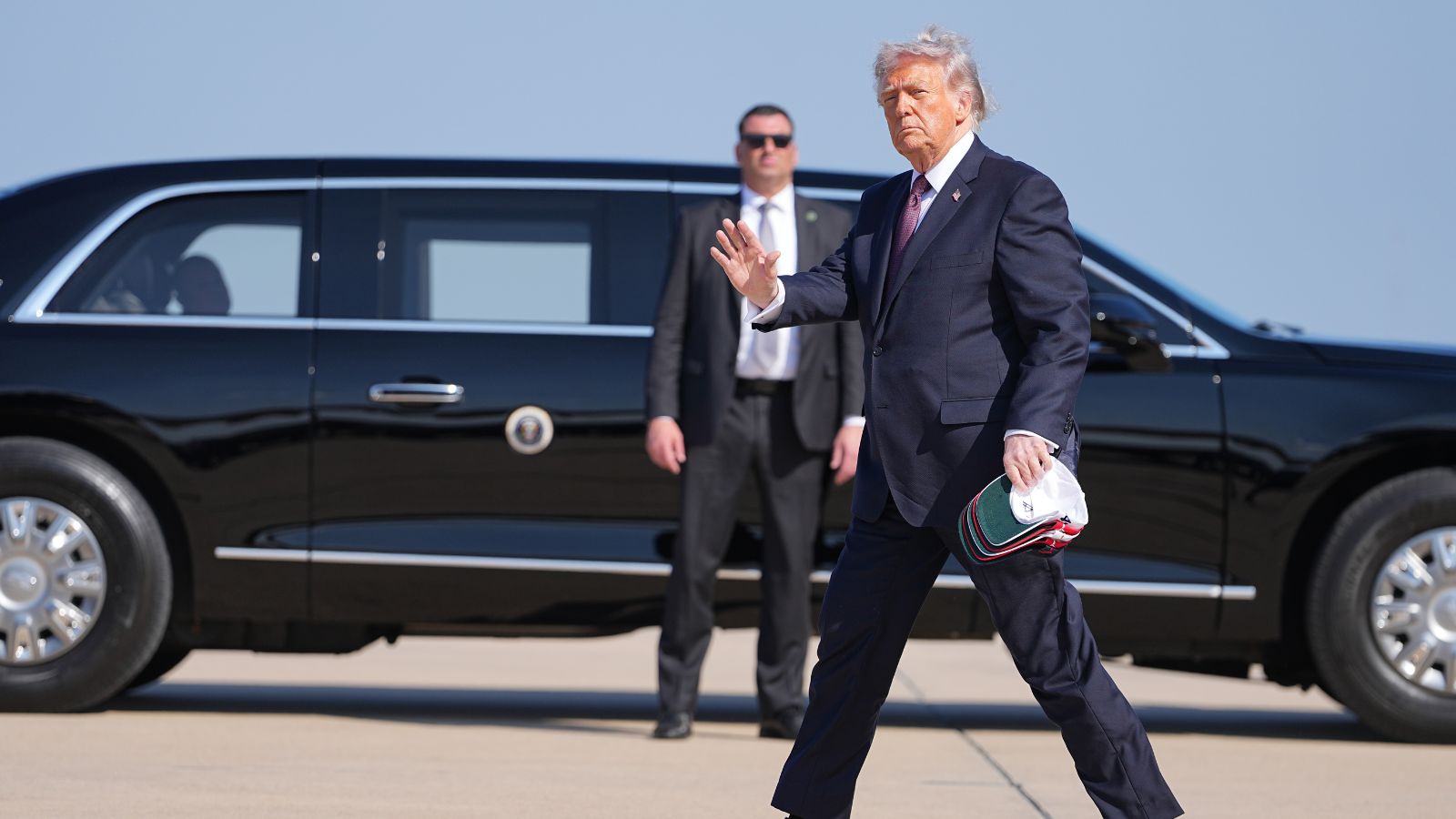
The media is falling for the same old script. They see a handshake in a gilded room, hear a soundbite about "getting along very well," and immediately start drafting narratives about a tectonic shift in South Asian diplomacy. They call it a breakthrough. I call it a distraction.
For decades, the Washington-Islamabad relationship has been a cycle of mutual exploitation masquerading as strategic partnership. The recent signals from the Trump administration aren't a pivot toward a new era of peace; they are a cold-blooded tactical adjustment in a theater where the U.S. is finally admitting it can't win by force. If you think this is about "supporting" Pakistan, you haven't been paying attention to how the ledger actually works.
The Myth of the Strategic Pivot
The lazy consensus suggests that the U.S. is cozying up to Pakistan to leverage their influence over the Taliban. This assumes Pakistan has a "remote control" for the insurgency. They don’t. They have a tiger by the tail.
I’ve sat in rooms with defense contractors and career diplomats who have watched billions in "Coalition Support Funds" vanish into the ether of the Pakistani military apparatus (the GHQ in Rawalpindi). The assumption that more money or warmer rhetoric buys loyalty is a fundamental misunderstanding of the Pakistani state's DNA.
Pakistan does not act as a U.S. proxy. It acts as a rational survivor in a neighborhood where the U.S. is a transient visitor. To Rawalpindi, the Taliban aren't just "militants"; they are a "strategic depth" asset against India. Trump’s "friendship" doesn't change that calculus. It just lowers the price of the poker chips.
Follow the Money Not the Tweets
When we talk about Pakistan "getting along" with the U.S., we are really talking about a balance sheet. Pakistan is currently suffocating under a mountain of debt, much of it tied to the China-Pakistan Economic Corridor (CPEC).
The "friendship" rhetoric is a mechanism for Pakistan to hedge its bets. They need the IMF—which is effectively controlled by the U.S. Treasury—to keep the lights on. Meanwhile, the U.S. needs a graceful exit from a twenty-year quagmire. This isn't a marriage; it's a bankruptcy proceeding where both parties are trying to hide assets from the creditors.
- The IMF Factor: Pakistan’s economy is a house of cards. Without U.S. approval for bailouts, the country faces a sovereign default.
- The FATF Pressure: The Financial Action Task Force keeps Pakistan on a short leash regarding terror financing. "Getting along" is code for "please don't grey-list us into oblivion."
- The Drone Tax: Access to Pakistani airspace and logistics remains the only way the U.S. can maintain over-the-horizon capabilities.
The India Elephant in the Room
The mainstream press loves to analyze U.S.-Pakistan relations in a vacuum. You can't. Every nice word said to Islamabad is a calculated jab at New Delhi, or at least a reminder that the U.S. has other options.
However, the "Buy American, Hire American" ethos of the current administration creates a paradox. India is a massive market for U.S. arms and tech; Pakistan is a subsidized security client. You cannot treat them as equals. Trump’s praise for Islamabad is a temporary leverage play to get India to lower trade barriers. It is a classic "crazy brave" negotiation tactic: flirt with the rival to make the partner jealous.
The Taliban Trap
The competitor's article highlights "open war" with the Taliban as the catalyst for this support. This is a flawed premise. The U.S. isn't supporting Pakistan to fight the Taliban; it's supporting them to manage the Taliban's ascent.
We are witnessing the normalization of a militant group. By praising Pakistan, the U.S. is outsourcing the "policing" of the region to a state that has historically been the arsonist and the fireman simultaneously.
Imagine a scenario where a bank hires a known safe-cracker to design its security system. That is the current U.S. strategy in South Asia. It looks smart on a PowerPoint slide in the Situation Room, but it ignores the reality of the ground: the safe-cracker always keeps a spare key.
Realism Over Rhetoric
Stop asking if Trump "likes" Pakistan. It’s an irrelevant question. In the world of high-stakes geopolitics, "liking" is a tool, not a feeling.
The real question is: what is the cost of this optics-heavy diplomacy?
The cost is the further erosion of U.S. credibility with democratic allies in the region. When you prioritize a transactional relationship with a military-dominated state over long-term institutional stability, you aren't "fixing" the region. You are just kicking the can down a road that is rapidly running out of pavement.
Why This Fails
This strategy fails because it relies on the "Great Man" theory of history—the idea that a personal rapport between leaders can override decades of institutional mistrust and conflicting national interests.
Pakistan’s military doesn't care about a tweet. They care about their border with India (the Line of Control) and their influence in Kabul. If U.S. interests happen to align with those for a fleeting moment, great. If not, they will revert to the "double game" that has frustrated every U.S. president since the 1980s.
We are repeating the mistakes of the Cold War. We are buying temporary cooperation with long-term instability. We are fueling a military-industrial complex in Islamabad that has no incentive to actually solve the problems it is being paid to manage.
The Hard Truth for Investors and Analysts
If you are looking at this news and thinking it’s time to bet big on Pakistani infrastructure or South Asian stability, hit the brakes.
- Volatility is the only constant: These diplomatic "highs" are usually followed by spectacular crashes when the U.S. realizes it’s been played.
- Sovereign Risk: Pakistan’s dependence on Chinese credit remains the primary driver of its foreign policy, regardless of what is said in Washington.
- The Blowback: Every time the U.S. signals support for the Pakistani establishment, it radicalizes the domestic opposition and the very militant groups it seeks to control.
The "open war" with the Taliban isn't going to be won with a friendly handshake. It's being settled in backrooms where the U.S. is the one making the concessions. Calling this "support" is like calling a ransom payment a "charitable donation."
The regional players know this. The Taliban knows this. Rawalpindi knows this. The only people who don't seem to get it are the ones writing the headlines about a "new era" of partnership.
There is no new era. There is only the same old game, played with a louder megaphone and a higher degree of self-delusion.
Stop reading the tea leaves of diplomatic greetings and start looking at the troop movements and the debt cycles. The reality isn't a handshake; it's a retreat disguised as a victory lap.
The U.S. isn't leading. It's leaving. And it's paying Pakistan to hold the door open on the way out.
Would you like me to analyze the specific economic impact of the CPEC debt-trap on U.S. influence in the region?