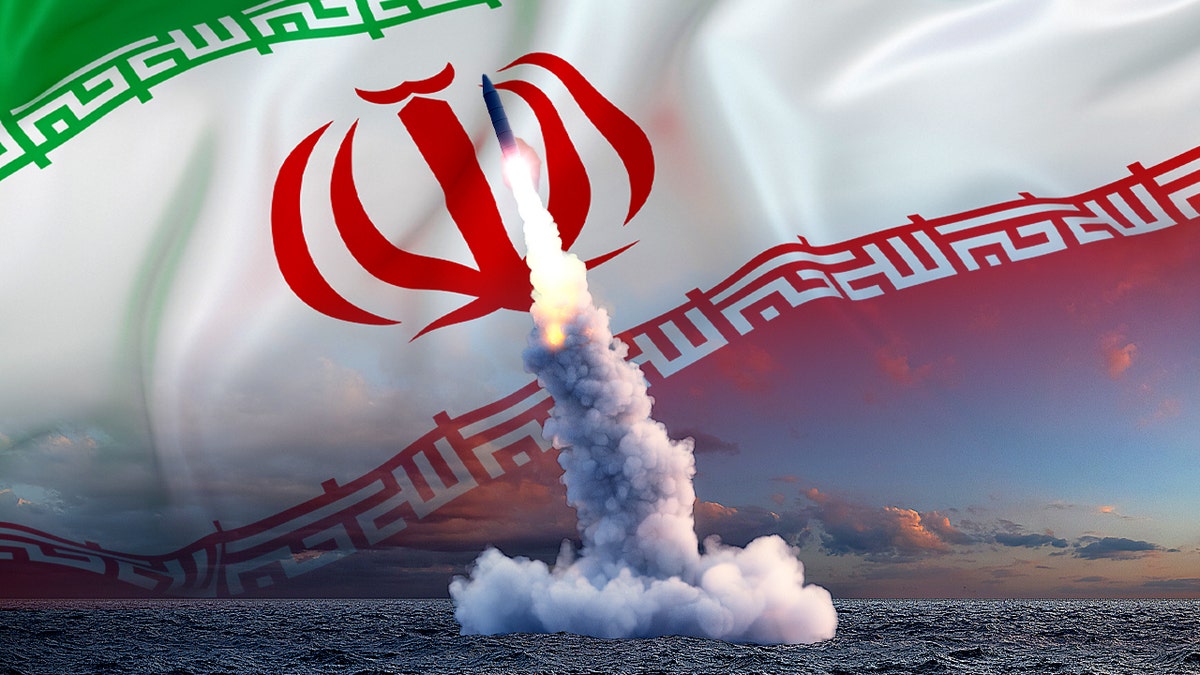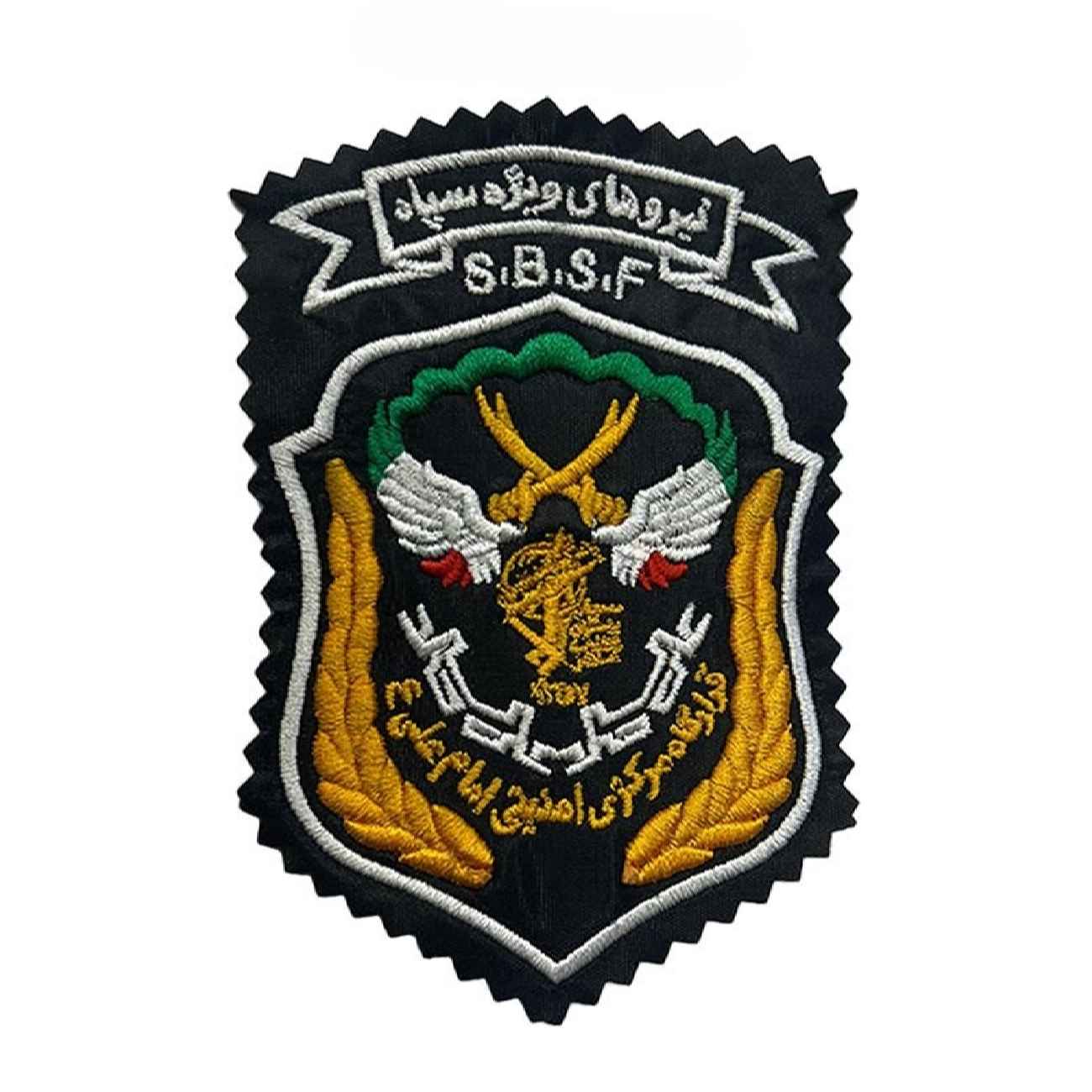
The recent pronouncements by the Islamic Revolutionary Guard Corps (IRGC) regarding the distinction between "agreements" and "defeats" are not merely rhetorical flourishes; they represent a calculated application of Information Operations (IO) designed to manipulate the perceived cost-benefit analysis of Western adversaries. When a state actor explicitly warns a rival not to categorize a cessation of hostilities as a mutual accord, they are engaging in a defensive restructuring of the geopolitical narrative to prevent internal instability and maintain regional "deterrence by denial." This strategy relies on three primary pillars: the control of domestic perception, the weaponization of ambiguity, and the exploitation of the "gray zone" between traditional diplomacy and kinetic warfare.
The Architecture of Semantic Deterrence
To understand the IRGC's position, one must first define the concept of semantic dominance. In high-stakes geopolitical negotiations, the party that dictates the terminology of the outcome controls the historical precedent. By framing a potential de-escalation or a tactical retreat by the United States or Israel as a "defeat" rather than an "agreement," the IRGC seeks to achieve several strategic objectives simultaneously.
- Nullification of Diplomatic Reciprocity: An "agreement" implies a bilateral exchange where both parties make concessions. A "defeat" implies a unilateral failure of the adversary’s strategic objectives. By rejecting the "agreement" label, the IRGC removes the expectation that Iran must provide a reciprocal concession, thereby raising the diplomatic price for any future negotiations.
- Internal Legitimacy Retention: For a paramilitary organization whose foundational identity is built on "resistance" (Muqawama), a compromise is a sign of systemic weakness. Labeling an adversary's policy shift as a defeat reinforces the IRGC’s internal narrative that their ideological persistence is the primary driver of regional change.
- Escalation Management: By defining the terms of the engagement, the IRGC signals to its proxy network—the so-called "Axis of Resistance"—that the current posture is yielding results. This prevents "proxy drift," where localized militias might otherwise seek independent settlements if they perceive the central authority is wavering.
The Cost Function of Regional Influence
The IRGC's warnings are grounded in a cold assessment of the "Cost of Intervention" for the United States. In the current Middle Eastern theater, the IRGC operates under the assumption that the U.S. political apparatus has a low threshold for sustained, high-casualty kinetic engagements. This creates a structural bottleneck for Western power projection.
The Iranian strategic framework utilizes an asymmetrical cost-exchange ratio. For the U.S. to maintain a carrier strike group in the region, the daily operational expenditure is measured in millions of dollars. Conversely, the IRGC can maintain a high state of tension through the distribution of low-cost loitering munitions and technical assistance to non-state actors at a fraction of that cost. When the IRGC warns against calling a situation an "agreement," they are reminding the adversary that the financial and political friction of remaining in the theater is unsustainable.
The Gray Zone and Information Hegemony
Traditional military theory often separates "war" from "peace." Modern Iranian strategy, however, treats this as a false dichotomy. They operate in the "Gray Zone," a space where state actors engage in competition that remains below the threshold of conventional armed conflict but above the level of routine diplomacy.
The Mechanics of Narrative Projection
The IRGC's messaging serves as a feedback loop within this Gray Zone. The mechanism works as follows:
- Action: A kinetic or cyber provocation is executed (e.g., drone strikes on logistics hubs or maritime harassment).
- Observation: The adversary's response is monitored for signs of "risk aversion" or "de-escalation intent."
- Framing: If the adversary shifts to a diplomatic posture to avoid escalation, the IRGC immediately frames this shift as a tactical retreat caused by their superior resolve.
- Result: The perception of the adversary's "defeat" becomes a psychological force multiplier, emboldening local allies and demoralizing opposition groups within contested territories like Lebanon, Iraq, and Yemen.
This process exploits a cognitive bias in Western democratic leadership: the desire for "exit strategies." When a Western power seeks an exit strategy, the IRGC interprets and broadcasts this as a "defeat," effectively turning the democratic preference for peace into a strategic liability.
Technical Vulnerabilities in the Deterrence Model
While the IRGC's strategy is logically consistent, it possesses inherent structural limitations that could lead to systemic failure.
The first limitation is the Over-Extension Paradox. By constantly framing every de-escalation as an adversary's defeat, the IRGC risks "believing its own propaganda." This can lead to strategic overreach, where the organization underestimates the adversary’s "red lines," potentially triggering a kinetic response that the IRGC is not equipped to handle in a conventional sense.
The second limitation is the Diminishing Returns of Rhetoric. Semantic dominance only works as long as it is backed by the credible threat of disruption. If the IRGC's proxies are consistently neutralized or if economic sanctions reach a point of total systemic collapse, the "defeat" narrative loses its resonance both domestically and internationally. The gap between the rhetorical "victory" and the material reality of the Iranian populace creates a "credibility deficit" that can be exploited by psychological operations from the opposition.
Quantifying the Impact on Maritime Security
A primary theater for this semantic battle is the Bab al-Mandab Strait and the Persian Gulf. The IRGC's ability to influence global energy prices through the threat of closure provides the material weight behind their warnings.
The mechanism of "Maritime Leverage" is calculated by the following variables:
- V: Value of cargo transiting the chokepoint.
- R: Risk premium added to insurance rates.
- C: Cost of naval escorting.
- T: Time delay for rerouting around the Cape of Good Hope.
The IRGC understands that they do not need to win a naval battle; they only need to increase the variables R, C, and T to a level where the global economy experiences a "shock." By labeling any Western attempt to secure these waters through negotiation as an "agreement of defeat," the IRGC maintains its position as the "veto power" over global trade routes.
The Logic of the "Red Line" Warning
The warning to Israel and the U.S. regarding "agreements" is also a specific reaction to the normalization of ties between Israel and regional Arab states. The IRGC views these diplomatic accords as a "strategic encirclement." Their counter-strategy is to delegitimize the concept of an "agreement" itself.
By insisting that any deal is a surrender, the IRGC attempts to polarize the regional political climate. They want to ensure that there is no "middle ground" where moderate states can find security. In the IRGC's binary world, you are either a victor or you are defeated. This forced polarization is a tactic to prevent the formation of a unified regional security architecture that could marginalize Iranian influence.
Strategic Forecast for Multi-Domain Engagement
Adversaries should expect the IRGC to escalate its use of "Cognitive Warfare." This involves the integration of cyber-attacks with timed social media campaigns and high-level military pronouncements to create a "pincer movement" on the adversary’s public opinion.
The primary objective in the next 24 months will be to force a total withdrawal of U.S. forces from Iraq and Syria. The IRGC will use the "defeat" narrative to signal to local political actors in Baghdad and Damascus that the U.S. is an unreliable partner that will eventually "abandon" them, just as the IRGC claims they were "defeated" in previous conflicts.
To counter this, a strategy of "Counter-Semantic Precision" is required. This involves:
- Direct Refutation: Publicly defining the parameters of any de-escalation before the IRGC can frame it.
- Kinetic Disruption of the Proxy Loop: Decoupling the IRGC's rhetoric from its physical capabilities by systematically neutralizing the low-cost assets (drones, missile sites) that provide their leverage.
- Economic Transparency: Highlighting the material cost of the "Resistance" narrative to the Iranian citizen, contrasting the "victory" rhetoric with the reality of hyperinflation and infrastructure decay.
The conflict is no longer just about territory or resources; it is a battle over the "definition of reality." The IRGC has identified that in the modern information age, the perception of power is as valuable as power itself. Their warnings are a defensive maneuver to protect this perceived power from the eroding effects of actual diplomacy.
The strategic play for Western powers is to ignore the bait of semantic arguments and focus on the systematic degradation of the IRGC's logistical ability to impose costs. By making the "Gray Zone" too expensive for the IRGC to inhabit, the "defeat vs. agreement" rhetoric becomes a moot point, as the organization will be forced to choose between internal survival and external posturing.