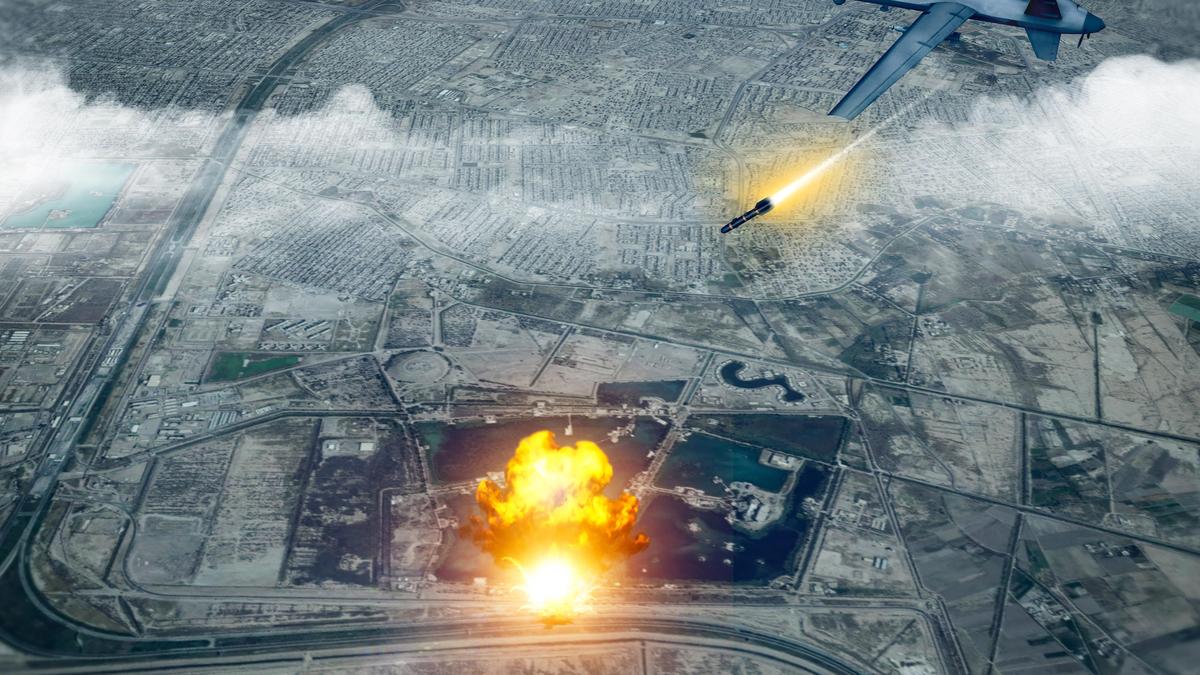
The Middle East just hit a breaking point. On March 24, 2026, the Islamic Revolutionary Guard Corps (IRGC) announced it launched the 78th wave of strikes under the banner of "Operation True Promise 4." This isn't just another exchange of fire. It’s a massive, multi-front escalation targeting high-sensitivity Israeli sites and American military hubs across the region. If you think this is just "more of the same," you’re missing the scale of what’s happening on the ground.
Tehran is calling this a "unique record in the history of warfare." They aren't just firing old rockets. They're using Emad and Qadr MIRV (Multiple Independently Targetable Re-entry Vehicle) ballistic missile systems alongside "destructive drones." The IRGC claims they hit targets in Eilat, Dimona—the site of Israel's nuclear reactor—and northern Tel Aviv. Simultaneously, they’ve hammered U.S. bases across the "eastern belt," including locations in Kuwait, Bahrain, and the UAE.
What happened last night
The strikes occurred under heavy rain, a detail the IRGC emphasized to showcase their all-weather precision capabilities. They used the codename "O Dalil al-Mutahayyirin." The messaging is clear: Iran wants to prove its technological superiority even while under the "Epic Fury" campaign launched by the U.S. and Israel back in February.
While the U.S. and Israel have been conducting decapitation strikes—successfully killing former Supreme Leader Ali Khamenei on February 28—the IRGC is showing that their command structure hasn't collapsed. In fact, they’re getting more aggressive. They’re now "negotiating with impact-driven operations." That’s fancy talk for saying they’ve given up on the diplomat’s table and are using missiles to set their terms.
The targets that actually matter
Most news reports gloss over the specific geography, but the choice of targets tells the real story.
- Dimona: This is the second time in days that the area near Israel's nuclear complex has been targeted. It’s a direct psychological blow to Israeli national security.
- Eilat (Umm al-Rashrash): Hitting the southern port city disrupts what’s left of regional maritime trade.
- U.S. Fifth Fleet Hubs: Attacks in Bahrain and Kuwait aren't just "nearby" explosions. Shrapnel from interceptions has already knocked out power lines in Kuwait and triggered air-raid sirens in Manama.
I’ve seen plenty of "waves" in this conflict, but 78 waves in less than a month is a staggering tempo. It suggests that despite U.S. claims of "razing" Iranian missile programs, the IRGC still has thousands of mobile launchers hidden in "missile cities" deep underground.
Why the "negotiation" talk is a mess
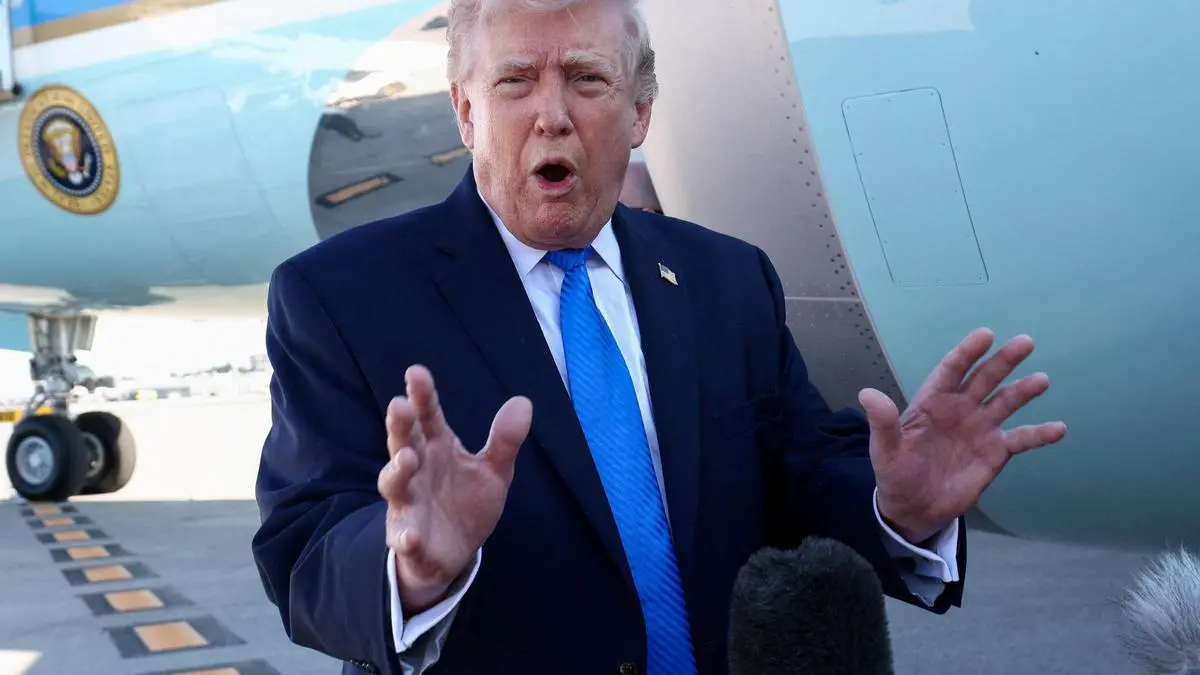
Earlier this week, Donald Trump claimed that talks with Iran were "very good and productive." He even postponed a strike on Iran’s power grid for five days. But then the Iranian Parliament Speaker, Mohammad Baqer Ghalibaf, came out and called it "fake news" meant to manipulate oil markets.
The IRGC followed that up with these 78th-wave strikes. It’s a classic "good cop, bad cop" routine, or more likely, a total breakdown in communication between the Iranian political wing and the military. The IRGC wants the world to know they haven't even deployed their "million-strong" Basij force or their elite combat units yet. They’re basically saying, "This is us holding back."
The cost of the 2026 Iran War
The numbers coming out are grim. Since the February 28 surprise attack:
- U.S. Casualties: 13 soldiers killed and over 230 wounded.
- Iranian Toll: Over 1,500 people killed and 19,000 wounded, according to their Health Ministry.
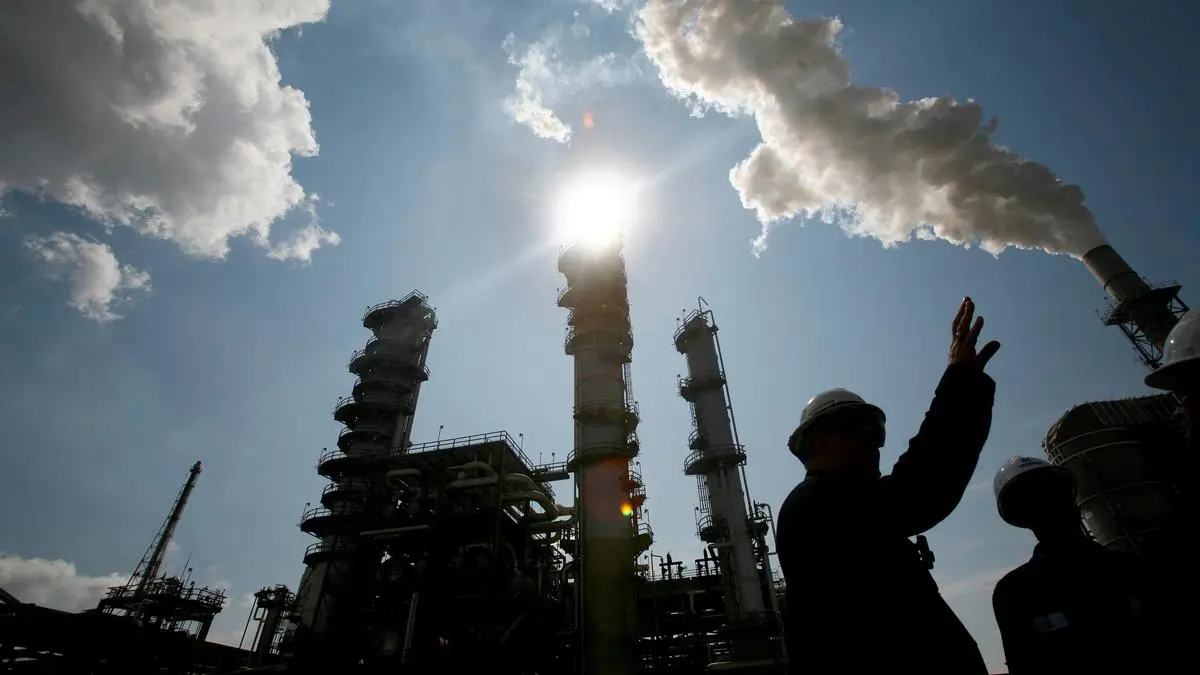
- Economic Hit: Oil prices are swinging wildly. The closure of the Strait of Hormuz has created the largest supply disruption since the 1970s. The Pentagon is already asking for an extra $200 billion to fund the conflict.
What most people get wrong about Iranian deterrence
There’s a common mistake in thinking that because the U.S. and Israel killed the top leadership, the IRGC would fold. It’s actually the opposite. The new Supreme Leader, Mojtaba Khamenei, is under immense pressure to prove he isn't a "soft" successor. These 78th-wave strikes are his way of cementing authority.
The IRGC isn't trying to "win" a traditional war. They’re trying to make the cost of staying in the region unbearable for the U.S. By hitting bases in "friendly" Arab states like Jordan and the UAE, they’re forcing those countries to rethink their security ties with Washington. It’s a strategy of isolation through fire.
Honestly, the "impact-oriented negotiation" is working in one sense: it’s kept the U.S. from launching the total "regime change" ground invasion some expected. But it’s also turned the entire Middle East into a live-fire zone. If you’re living in Tel Aviv or stationed at Ali al-Salem airbase, "waves" of missiles aren't just headlines—they’re your daily reality.
Keep a close eye on the Strait of Hormuz. If Iran successfully maintains the blockade while sustaining these missile waves, the global economy will feel the "impact" much faster than any diplomatic envoy. You should prepare for sustained high energy costs and potential supply chain shifts as this "True Promise 4" operation continues. If the IRGC follows through on their threat to bring the Basij onto the field, we’re looking at a multi-year regional quagmire.