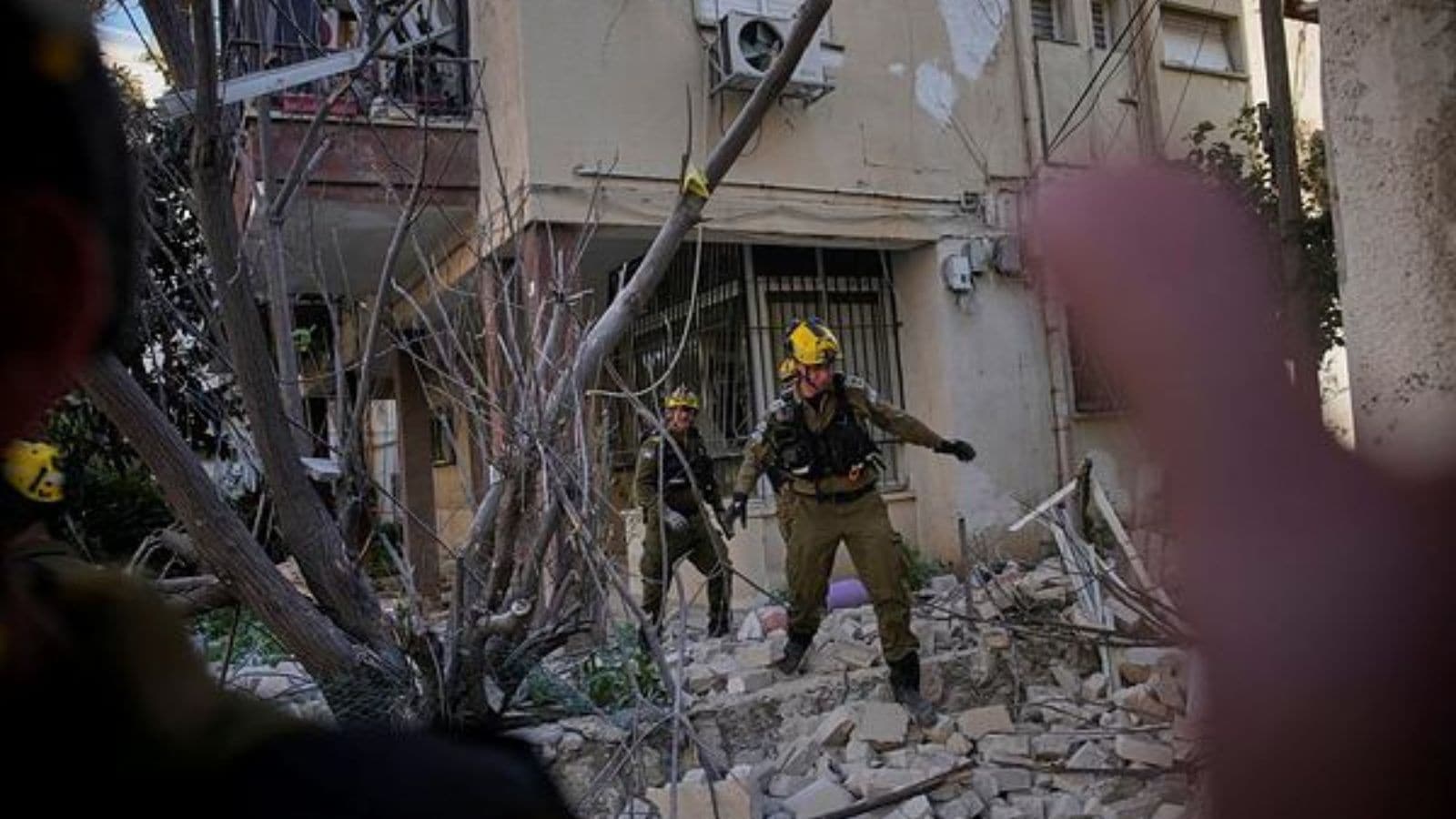
The sirens didn't just warn of incoming fire. They signaled the end of the "shadow war" era. When nearly 200 ballistic missiles streaked across the Israeli sky on October 1, 2024, the dynamic between Tehran and Jerusalem shifted from proxy skirmishes to a direct, high-stakes confrontation. While the Israeli military (IDF) is still reviewing the full impact, it's clear that this wasn't a "for show" attack like we saw in April. This was an attempt to saturate defenses and hit the heart of Israel's military and intelligence infrastructure.
If you're wondering why this matters more than previous escalations, it's because of the hardware. Iran didn't just send slow-moving drones. They used sophisticated ballistic missiles like the Fattah-1 and Kheibar Shekan. These things move fast—reaching Israel in about 12 minutes. The IDF has confirmed that while the majority were intercepted, several missiles punched through, landing near sensitive sites in central Israel and airbases in the south.
The Strategy Behind the Scars
Iran's "Operation True Promise II" wasn't random. They targeted three specific airbases: Nevatim, Tel Nof, and Hatzerim, along with the Mossad headquarters just north of Tel Aviv. By focusing on central Israel, Iran forced the IDF to make a choice. Since Israel only intercepts missiles headed for populated areas to save on expensive Arrow interceptors, the concentrated fire on the densely packed center was a deliberate move to overwhelm the system.
In places like Hod Hasharon, the results were visible. Roughly 100 homes were damaged by blast waves and shrapnel. A restaurant in Tel Aviv was hit, and a school in Gedera was left with a massive crater. The IDF's review is ongoing, but the financial toll is already estimated between $40 million and $53 million. That's a lot of glass to replace, but the strategic damage is what the generals are really looking at.
What Actually Got Hit
Despite Iranian claims of destroying F-35s, the IDF is adamant that no aircraft or "critical" infrastructure was lost. However, satellite imagery and geolocated footage tell a more nuanced story. At Nevatim Airbase, at least 20 to 32 missiles impacted, damaging a hangar and a taxiway. At Tel Nof, impacts were recorded near areas thought to store munitions.
- Nevatim Airbase: Significant number of impacts; hangar and taxiway damage.
- Tel Nof Airbase: Several hits, including secondary explosions.
- Central Israel: Hits near Mossad HQ (approx. 500 meters away) and civilian areas in Gedera and Tel Aviv.
It's a game of inches. A missile landing 500 meters from Mossad HQ is a "miss" in military terms, but it's a terrifyingly close call for everyone living in the neighborhood.
Why Interceptions Aren't 100 Percent
You might think the Iron Dome should have handled this. But the Iron Dome is for short-range rockets. For ballistic missiles, Israel relies on the Arrow 2 and Arrow 3 systems. These are designed to hit targets in the stratosphere. The problem is math. If Iran fires 180 missiles and you have a 90% success rate—which is world-class—18 missiles are still going to hit the ground.
Ballistic missiles follow a high, arching path and come down at hypersonic speeds. They're much harder to stop than the cruise missiles and drones used in the April attack. Iran's decision to go "all-ballistic" this time shows they've learned that volume and speed are the only ways to beat Israel's layered defense.
The Cost of the "Miss"
The physical damage to a school or a restaurant is easy to see. The psychological and economic damage is harder to quantify. During the strikes, millions of Israelis were in bomb shelters. The country basically hit "pause." When the IDF says they're "reviewing the impact," they aren't just looking at craters. They're looking at how their defense protocols held up under the most intense ballistic barrage in history.
Casualties were miraculously low, but not zero. A Palestinian man in Jericho was killed by falling debris, and an Israeli man died from a heart attack brought on by the stress of the sirens. These aren't just "collateral damage" stats; they're the human cost of a regional power play.
What Happens Next
Don't expect the IDF to stay in "review" mode for long. Prime Minister Netanyahu has already called the attack a "big mistake" and promised that Iran will pay. We've already seen the first phase of that response in late October, when Israel struck Iranian missile production sites and S-300 air defense batteries.
By taking out Iran's advanced radars and production facilities, Israel is essentially "blinding" their opponent before the next round. The goal is to make sure that if Iran tries another "True Promise" operation, they won't have the hardware to back it up.
Practical Steps for Following the Situation
If you're trying to keep up with the fallout, ignore the flashy Telegram videos for a second and look at these indicators:
- IDF Censor Reports: Watch for what the Israeli military allows to be published. They often bar specific impact locations to prevent Iran from "correcting" its aim in future strikes.
- Satellite Intelligence: Sites like OSINT (Open Source Intelligence) accounts on X or specialized firms like Maxar often release "before and after" photos of airbases that tell the real story of the damage.
- Energy Markets: The Strait of Hormuz is the world's oil windpipe. If the rhetoric shifts toward closing the strait, expect your gas prices to react long before any more missiles fly.
The "review" the Israeli military is conducting right now will determine the target list for the next six months. We aren't just looking at the aftermath of a strike; we're looking at the blueprint for the next phase of the war. Keep an eye on the deployment of U.S. THAAD batteries in Israel—that's the clearest sign that both sides expect the next barrage to be even bigger.