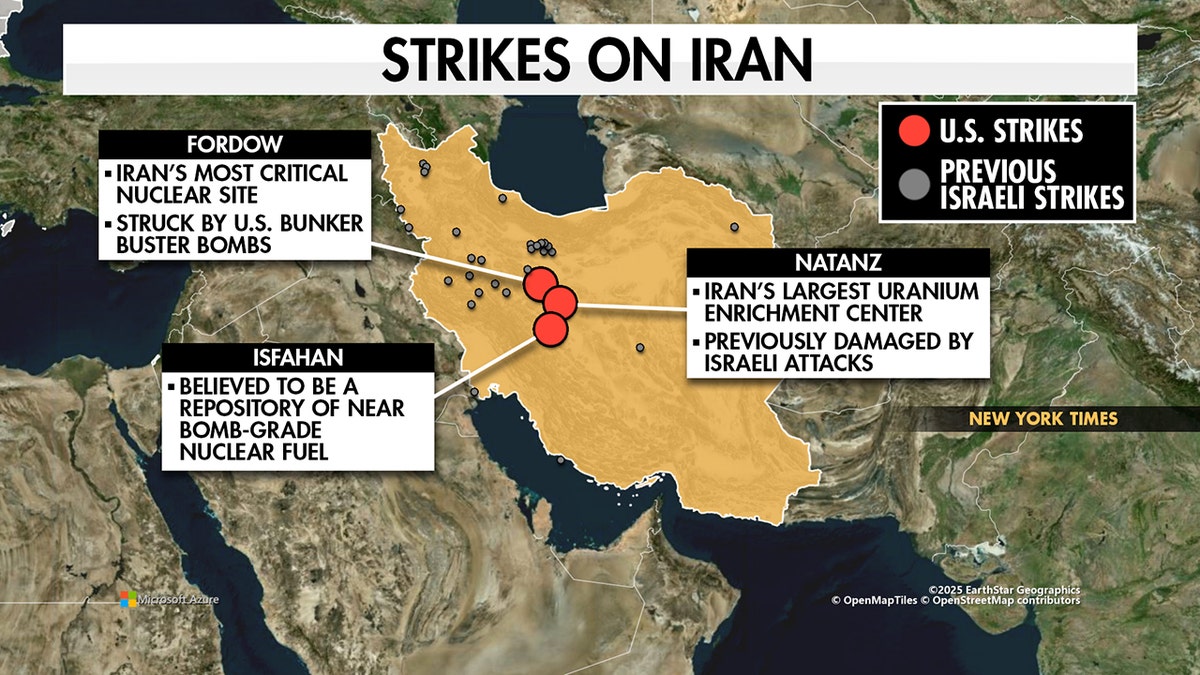
Tehran is currently learning a brutal lesson in geopolitical reality. If you're sitting in the Iranian Foreign Ministry today, you're likely staring at a map and wondering where your "all-weather" friend in Beijing has gone. The reality is simple. China doesn’t have friends. It has customers, energy suppliers, and temporary strategic assets. Iran just happens to be all three, but none of those labels carry enough weight to make Beijing risk its own bottom line.
The common narrative suggests a budding "Axis of Resistance" where China, Russia, and Iran stand shoulder-to-shoulder against Western influence. That's a fantasy. While Moscow might be desperate enough for Iranian drones to offer real reciprocity, Beijing is playing a much longer, colder game. China’s relationship with Iran isn't a partnership of equals or even a formal alliance. It’s a lopsided arrangement where one side provides cheap oil and the other provides vague diplomatic cover that vanishes the moment things get too hot.
The Myth of the 25 Year Strategic Accord
Everyone points to the 2021 Strategic Cooperation Agreement. On paper, it looks like a massive commitment. $400 billion in investment over 25 years sounds like a life raft for a sinking economy. But look at the actual money flowing into Iran. It's a trickle. According to data from the Iran-China Joint Chamber of Commerce, actual Chinese Foreign Direct Investment (FDI) has often lagged behind even small players like Afghanistan or Turkey in recent fiscal cycles.
Beijing signs these massive memorandums because they're great for optics. They keep the West guessing and keep the oil flowing at a steep discount. In reality, Chinese firms are terrified of secondary U.S. sanctions. They saw what happened to Huawei. They aren't going to risk their access to the trillion-dollar U.S. and European markets just to build a railway in a country that's constantly on the brink of a regional war.
Oil is a Transaction Not a Bond
China is the world's largest importer of crude. Iran is a major producer. You’d think that makes them inseparable. It doesn't. It makes Iran a gas station.
Because of international sanctions, Iran has to sell its oil to China at massive discounts, sometimes $10 to $15 below the Brent benchmark. Beijing isn't buying out of solidarity. They're buying because it’s a bargain. If those shipments ever became more expensive than the political cost of defying Washington, they’d stop tomorrow.
We saw this during the Trump administration's "Maximum Pressure" campaign. When the waivers ended, China’s official state-owned energy giants like CNPC and Sinopec pulled out of major Iranian projects like the South Pars gas field. They didn't stay to fight the good fight. They left. Only the "teapot" refineries—small, independent operations with no exposure to the U.S. financial system—kept the trade alive. Iran is a convenience, not a conviction.
The Arab Factor in China's Calculus
Iran often forgets that it isn't China’s only partner in the Middle East. It’s actually the less attractive one. Beijing has spent the last decade aggressively courting the Gulf Cooperation Council (GCC) states. Saudi Arabia and the UAE offer something Iran cannot: stability, massive sovereign wealth funds, and a lack of crushing sanctions.
When Xi Jinping visited Riyadh in late 2022, he signed a joint statement that questioned Iran’s claims to three islands in the Persian Gulf (the Greater and Lesser Tunbs and Abu Musa). Tehran was furious. They summoned the Chinese ambassador. But Beijing didn't blink. They know the Saudis have more to offer their "Belt and Road Initiative" than a cash-strapped Iran ever will.
Why the GCC Wins Every Time
- Trade Volume: China’s trade with Saudi Arabia dwarfs its trade with Iran.
- Diversification: The GCC is buying Chinese tech, 5G infrastructure, and green energy solutions. Iran mostly just sells oil.
- Geopolitics: Beijing wants a footprint in the Middle East that doesn't require choosing a side in a religious or sectarian war.
Beijing's Allergy to Regional Escalation
The biggest misconception in Tehran is the idea that China wants to see the U.S. bogged down in a Middle Eastern war. To an extent, sure, it's a distraction for Washington. But China’s primary interest is the "stable flow of energy." A full-scale war between Israel and Iran, or a closure of the Strait of Hormuz, would send oil prices to $150 a barrel.
That would be a catastrophe for the Chinese economy.
China relies on Middle Eastern stability to fuel its manufacturing engine. If Iran starts a fire that threatens that stability, China won't help put it out—they'll just find a new supplier. We’ve seen this repeatedly in the UN Security Council. China talks a big game about Iranian sovereignty, but they rarely use their veto to block the most stinging sanctions. They abstain. They wait. They watch.
What This Means for Iran's Future
If you're an Iranian policymaker, you've got to stop drinking the "Eastward Look" Kool-Aid. China is a customer that’s taking advantage of your desperation. You're selling your most valuable resource at a discount, and in return, you're getting lukewarm diplomatic support and a few infrastructure projects that may never finish.
The "ice-cold" calculus is that China views Iran as a useful "spoiler" against U.S. hegemony, but never as a partner worth catching a bullet for. Iran is isolated. It's lonely. And it's realizing that in the modern world, "strategic partnership" is just a polite way of saying "I'll use you until you're no longer profitable."
Stop looking at the high-level summits and start looking at the balance sheets. The money isn't there. The military hardware isn't there. The protection isn't there. Iran is standing on its own, and the sooner it realizes its "great friend" in the East is just a savvy shopper, the better its chances of surviving the next decade of regional turmoil.
Diversify your diplomatic portfolio immediately. Re-engaging with regional neighbors in the Gulf is a more sustainable path than waiting for a Chinese rescue that's never coming. If you can't fix the relationship with the West, you at least need to make yourself more than just a discounted gas station for Beijing. That starts with offering more than just "resistance"—it requires offering a stable, functional economy that doesn't rely on the whims of a single, cold-blooded superpower.