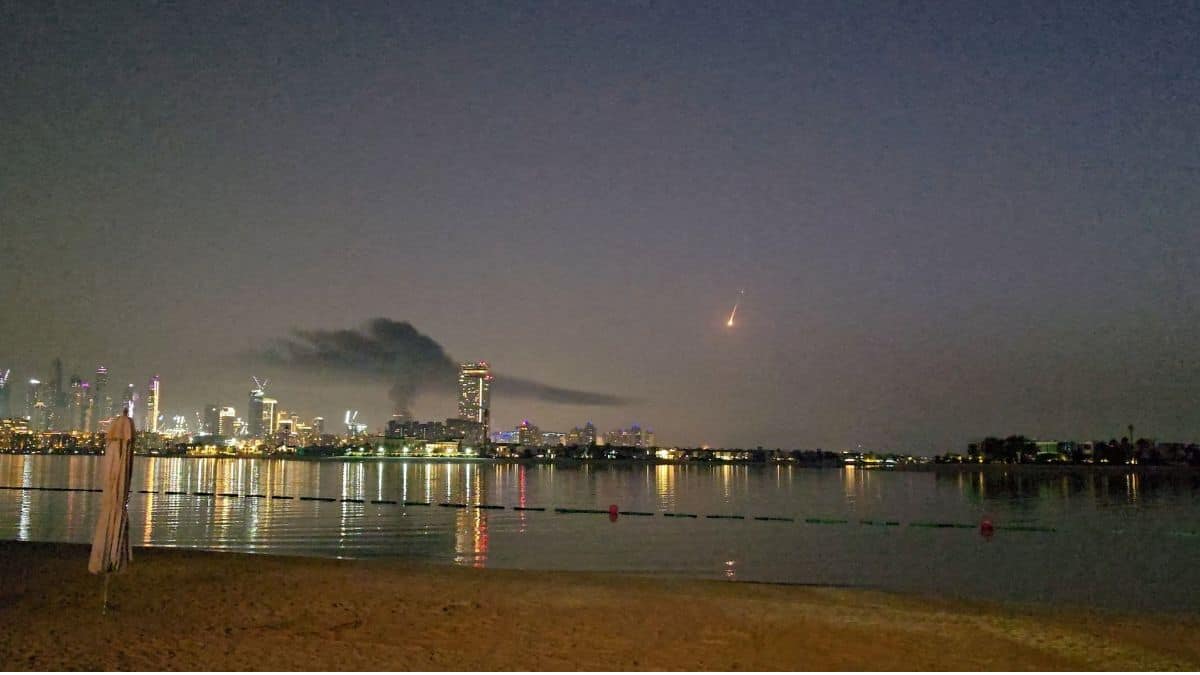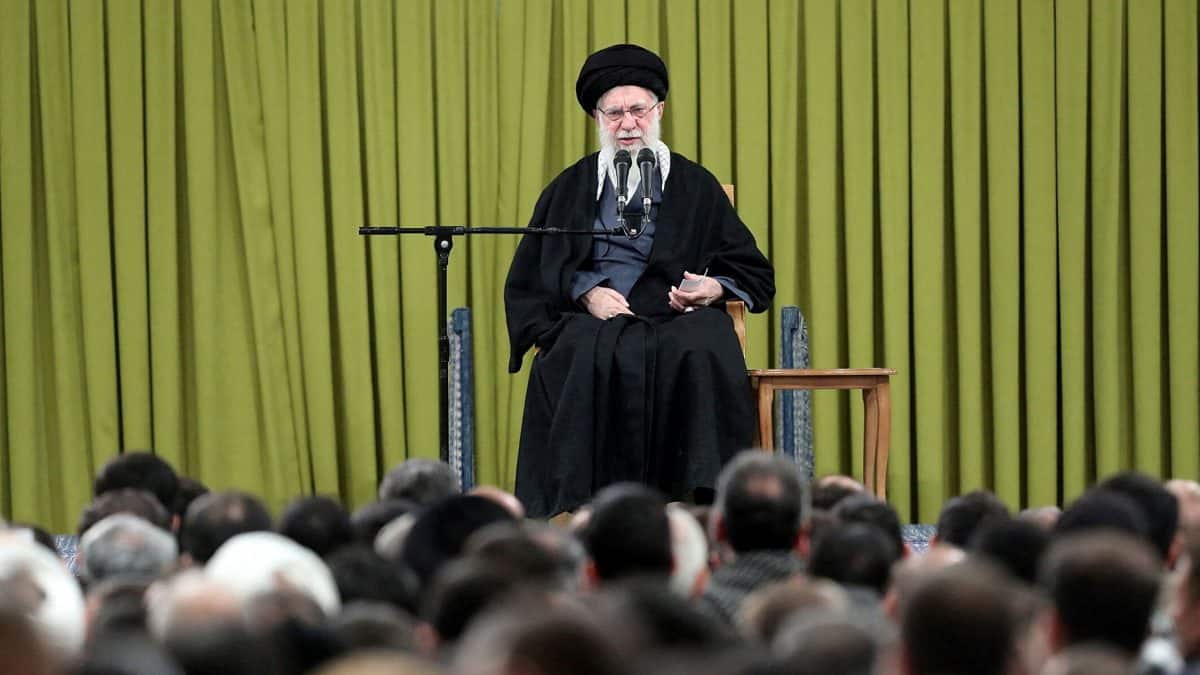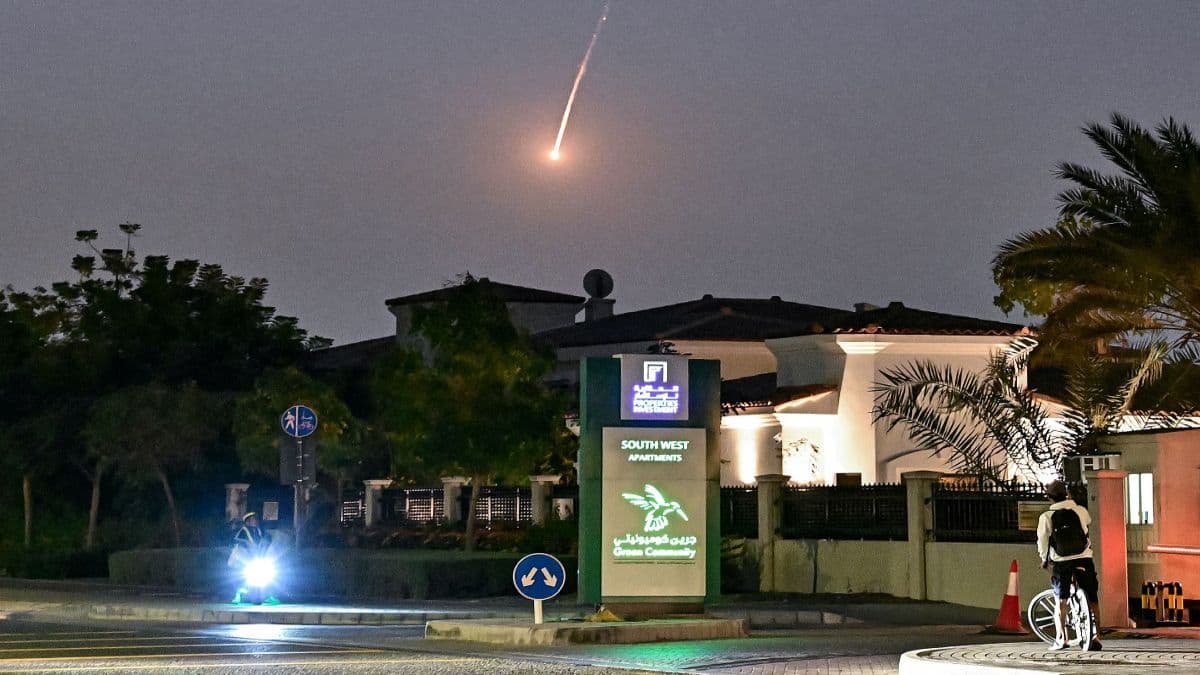
The Middle East just shifted from a cold war to a very hot, very dangerous reality. If you've seen the headlines about missiles over Dubai or sirens in Bahrain, you aren't looking at some random outburst. You're looking at the fallout of a massive, high-stakes gamble. On February 28, 2026, a coordinated US and Israeli strike—dubbed "Operation Roaring Lion"—reportedly killed Iran's Supreme Leader, Ali Khamenei.
Tehran didn't just sit back. Within hours, they turned their sights on the neighbors. Why? Because the UAE, Bahrain, and even Qatar host the very assets that made those strikes possible. Iran's message is simple and terrifying: if we go down, we're taking the global economy and your "shining cities" with us.
The Geography of Retaliation
Iran isn't just lashing out blindly. Every missile has a specific address. The Gulf nations are home to the largest US military footprints outside of American soil. When Iran strikes al-Dhafra in the UAE or the US Fifth Fleet headquarters in Bahrain, they're attempting to decapitate the logistical tail that supports US operations in the region.
It’s about "Total Deterrence." Tehran knows it can't win a conventional air war against the US and Israel combined. Instead, it aims to make the cost of that war unbearable for America’s partners. If insurance premiums for oil tankers in the Strait of Hormuz skyrocket and five-star hotels in Dubai become targets, Iran bets that the Gulf monarchies will scream for a ceasefire.
Key Targets in the Crosshairs
- UAE: Al-Dhafra Air Base and Jebel Ali Port.
- Bahrain: The US Fifth Fleet headquarters.
- Qatar: Al-Udeid Air Base, the largest US facility in the region.
- Kuwait: Al-Salem Air Base.
This isn't just about military bases, though. For the first time, we're seeing "grey zone" targets—civilian infrastructure—hit with more frequency. Debris from interceptions has already sparked fires near Jebel Ali, one of the world's busiest ports. Even Oman, usually the region's quiet mediator, saw a drone strike at its Duqm port. Nobody's safe when the old rules of engagement are tossed out the window.
The Abraham Accords Backlash
There's a political grudge at play here, too. The Abraham Accords, signed back in 2020, were always Iran's worst nightmare. For decades, Tehran could count on Arab-Israeli animosity to keep its enemies divided. The Accords flipped that script. Suddenly, Israel was sharing intelligence with Bahrain and selling air defense systems to the UAE.
Iran sees these nations not as sovereign neighbors, but as "launching pads" for Israeli aggression. By attacking them, Tehran is trying to prove that the "Zionist alliance" is a liability, not a security blanket. They want the Gulf leaders to regret ever shaking hands with Jerusalem.
Why the Accords Still Hold
Despite the fire raining down, the Abraham Accords haven't collapsed. In fact, they’re being tested by fire.
- Intelligence Sharing: The "Information Fusion Center" established by the signatories is likely the only reason more missiles haven't hit their marks.
- US Guarantees: The Gulf states know that turning back now leaves them alone with an enraged Iran.
- Economic Integration: Projects like the India-Middle East-Europe Economic Corridor (IMEC) are designed to bypass Iran entirely. Tehran knows this and wants to kill the project before it starts.
The Proxy Problem and the Houthi Factor
Don't forget the "Axis of Resistance." While Iran's own missiles are a threat, their proxies are the real wildcard. The Houthis in Yemen have already proven they can shut down the Red Sea. With Khamenei reportedly gone, these groups are entering a "martyrdom" phase.
We’ve seen the Islamic Resistance in Iraq claiming dozens of drone strikes on "enemy" bases. The danger here is decentralization. When the head of the snake is targeted, the smaller parts often act without restraint. It's asymmetric warfare at its peak. They don't need to sink a US carrier; they just need to hit a desalination plant or a power grid to cause total chaos in the Gulf.
What Happens if the Strait Closes
The biggest hammer Iran holds is the Strait of Hormuz. About 30% of the world's seaborne-traded crude oil passes through that tiny neck of water. Iran has already issued warnings that "no ship is allowed to pass." If they move from warnings to a full kinetic blockade—using mines, subs, and swarm boats—the global economy takes a gut punch.
Oil prices wouldn't just rise; they’d explode. We're talking about a global recession triggered in a matter of days. This is the ultimate "suicide pill" for the Iranian regime. It would kill their own economy, too, but if the leadership feels their survival is over, they have nothing left to lose.
Immediate Risks for Travelers and Expats
If you're living in or traveling to the Gulf, the landscape has changed.
- Aviation Hubs: Dubai and Abu Dhabi are primary targets. Expect sudden groundings and rerouted flights.
- GPS Spoofing: Electronic warfare is rampant. Don't be surprised if your navigation apps go haywire.
- Internal Security: Many of these nations are tightening internal controls to prevent pro-Iran sleeper cells from stirring up trouble.
The Reality of De-escalation
Is there an off-ramp? Honestly, it looks slim right now. The US and Israel seem committed to a three-phase plan to dismantle Iran’s air defenses and command structure. Tehran is responding with "Total Deterrence."
The best-case scenario is a series of tit-for-tat strikes followed by a quiet "back-channel" truce, but with the reported death of the Supreme Leader, the "tit" has been so large that the "tat" might last for weeks.
Gulf states are now in an impossible position. They are condemning the "flagrant violation of sovereignty" while simultaneously trying to keep their own airspace clear. They don't want to join the war, but the war has already come to them.
What you should do next
If you have business or travel interests in the Gulf, monitor the UKMTO (United Kingdom Maritime Trade Operations) alerts and official embassy notices daily. Don't rely on "it'll probably be fine." The regional security architecture is being rewritten in real-time. Keep an eye on oil market fluctuations as the primary indicator of how serious the Hormuz blockade threat is becoming.