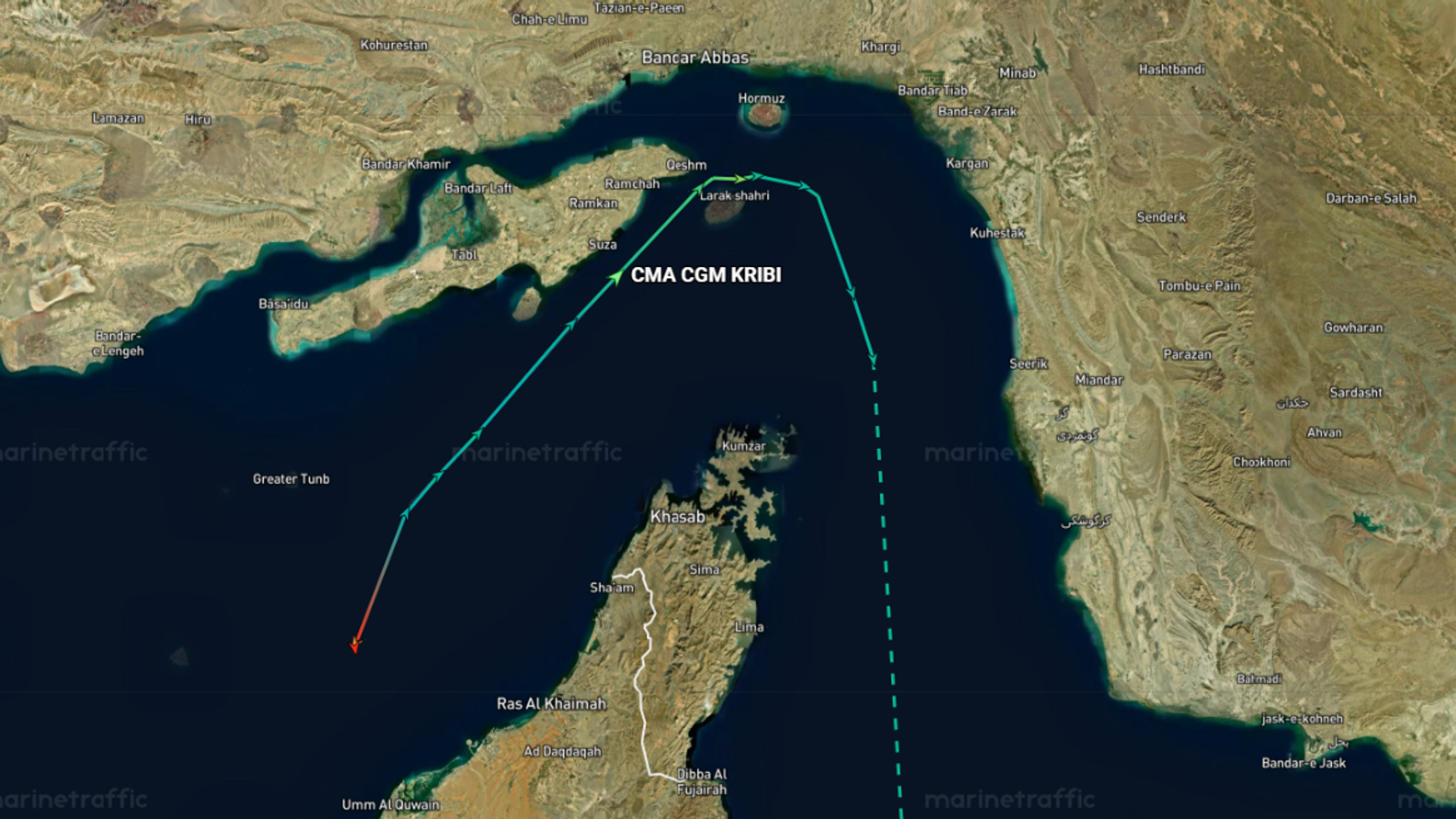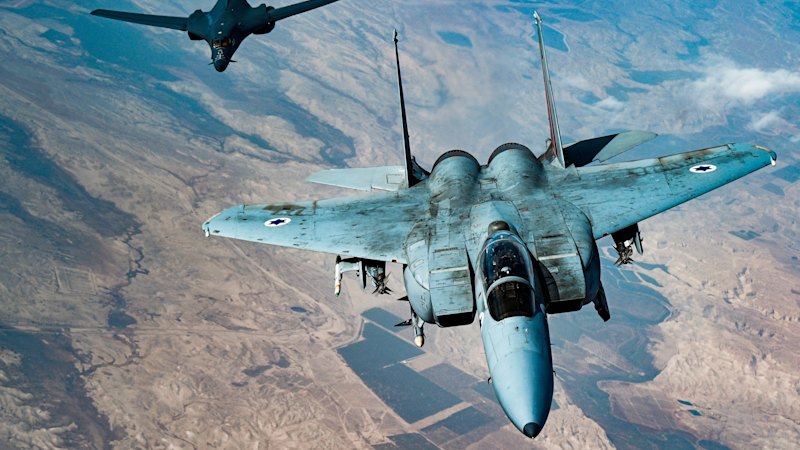
The sky over the Persian Gulf just became a lot more crowded and a lot more dangerous. When Iran downed US jets recently, it wasn't just a localized skirmish or a glitch in communication. It was a massive wake-up call for military aviation. One crewman is back in friendly hands, but another is still trapped behind enemy lines, and the tactical reality for every pilot in the region shifted in an instant. This isn't just about hardware. It’s about the terrifying math of modern air defense and what happens when the tech we rely on doesn't hold up.
You've probably heard the standard reports. The jets were flying a routine mission, the missiles came from a battery that wasn't supposed to be active, and the search and rescue teams scrambled. But that doesn't tell the whole story. To understand why this matters, you have to look at the mechanics of the shootdown and the brutal reality of the Evasion and Recovery (SERE) protocols now being tested in the Iranian desert.
The Rescue that Worked and the One that Didn't
One pilot is home. That’s a win, but it was a close one. Combat Search and Rescue (CSAR) teams are the unsung heroes here. They operate on a "Golden Hour" clock. If they don't get to a downed aviator within the first sixty minutes, the chances of a successful recovery drop by more than 50%. In this case, the first crewman managed to eject over water, making the pickup significantly easier for Naval assets.
The second crewman is a different story.
He’s currently on the ground, likely moving only at night and trying to keep his beacon off as much as possible to avoid detection by Iranian ground sensors. If you're behind enemy lines in that terrain, you're not just fighting soldiers. You're fighting dehydration, heat, and a landscape that offers very little cover. The US military uses sophisticated satellite tracking, but Iran's electronic warfare capabilities have grown. They can jam the very signals meant to guide a rescue chopper to the "X."
How Iran’s Air Defense Stepped Up
Everyone keeps talking about the jets. We should be talking about the missiles. Iran has been quiet about their domestic upgrades to the Bavar-373 and their integration of Russian S-400 components. It’s a deadly mix. They aren't just using old tech anymore. They’re using multi-layered systems that can see through standard jamming pods.
The reality is that our "stealth" isn't an invisibility cloak. It’s a way to delay detection. If the Iranian radar operators are smart—and they are—they use "passive detection." They don't emit a signal for our jets to pick up. Instead, they listen for the disturbances our planes make in the existing radio waves around them. By the time the pilot knows they’re being tracked, the missile is already off the rail.
This isn't a fluke. It’s a demonstration of capability. Iran wanted to prove they could touch the untouchable, and they did.
The Survival Math of the Modern Pilot
When a jet goes down, the pilot's life changes in about two seconds. The force of the ejection itself often breaks bones or causes concussions. Then you're floating down in a parachute, basically a giant target for anyone with a rifle.
Once on the ground, the kit is all you have.
- A basic survival radio with limited battery.
- A few liters of water.
- A signal mirror and some IR strobes.
- A sidearm that won't do much against an armored patrol.
The missing crewman is likely following a "Point of Intended Movement" plan. He's heading for a pre-arranged extraction site, but those sites are often compromised if the enemy knows the terrain well. Honestly, the mental game is the hardest part. You're trained to be the predator in the sky. Suddenly, you're the prey on the ground.
Geopolitical Fallout and the End of Routine Patrols
There is no such thing as a "routine" flight near Iranian airspace anymore. This incident forced the Pentagon to rethink every flight path in the Middle East. If Iran can down these specific jets, it means our current electronic countermeasure (ECM) suites need an immediate overhaul.
We often think of US air power as a given. It isn't. It's a constant arms race. When the enemy scores a hit like this, they gain more than just a trophy. They get to study the wreckage. They look at the engine bits, the radar-absorbent coating, and the flight data recorders. Every hour that second crewman stays missing and that wreckage stays in Iranian hands is a massive intelligence leak.
The diplomatic tension is high, but the tactical tension is higher. Commanders are now faced with a choice. Do they fly further out and lose mission effectiveness, or do they keep pushing the line and risk losing more multi-million dollar airframes and, more importantly, more pilots?
What Happens Next for the Missing Crewman
The search isn't over, but it’s getting complicated. Diplomacy usually takes a backseat to "recovery by force" in these scenarios, but with the current political climate, a full-scale SEAL team insertion into Iranian territory could spark a much larger conflict. It’s a standoff.
The missing pilot is trained for this. They spend weeks in the woods of Washington state or the deserts of Nevada learning how to eat bugs and hide in holes. But those training camps don't have Iranian revolutionary guards patrolling with thermal drones. That’s the new variable. Drones have made it nearly impossible to hide for long.
If you want to stay informed on this, watch the carrier movements. If the US moves another strike group into the Gulf, they aren't just posturing. They're preparing for a massive recovery operation. This isn't just a news cycle. It’s a shift in how air wars are going to be fought from here on out.
Keep an eye on the official DOD briefings, but read between the lines. They’ll talk about "unprovoked aggression." What they won't talk about is the frantic scramble to update the software on every F-35 and F-22 in the fleet to make sure they aren't the next ones falling out of the sky.
If you're following this, check the tail numbers of the involved aircraft if they're ever released. It’ll tell you exactly which squadron is taking the heat and what kind of tech failed. The pilot on the ground is waiting for a radio chirp that might not come. The rest of us are just waiting to see if this is the spark that starts a fire we can't put out.