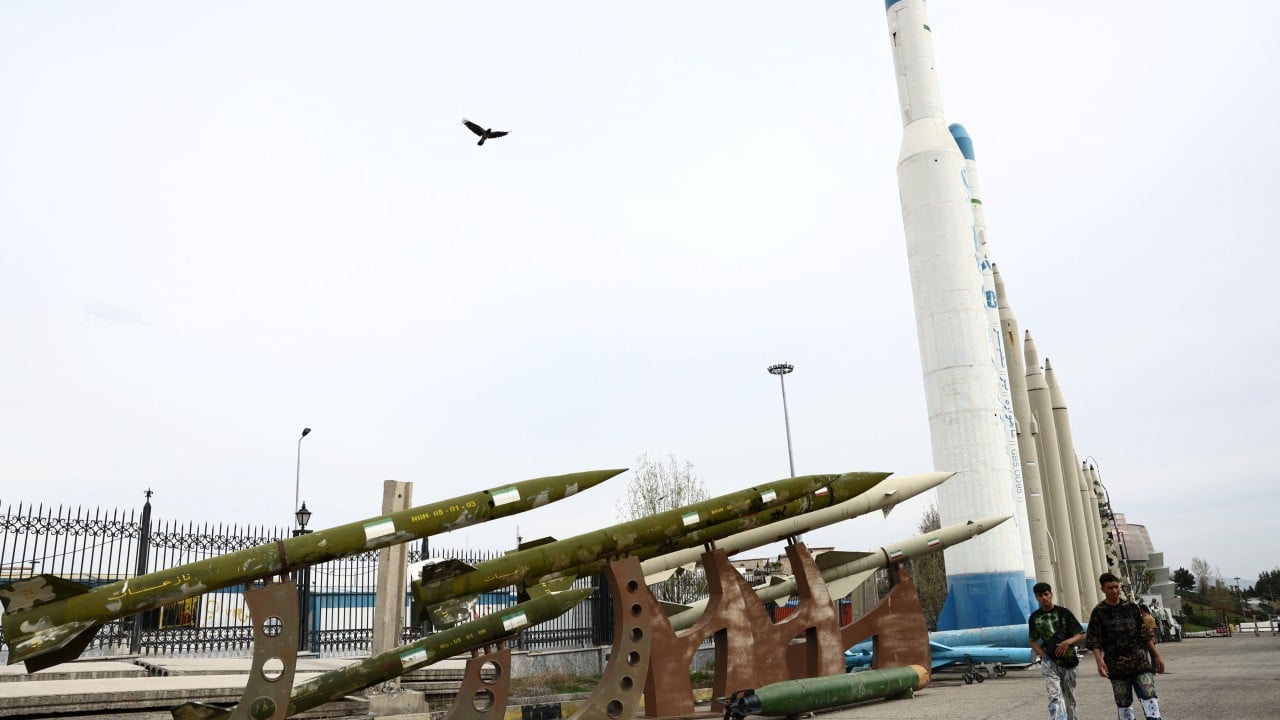
Iran just threw a massive wrench into the gears of global commerce. By announcing that the Strait of Hormuz is now closed to any shipping heading to or from "enemy" ports, Tehran isn't just making a localized threat. They’re effectively putting a chokehold on one of the most sensitive maritime arteries on the planet. If you think this is just another round of Middle Eastern sabre-rattling, you're missing the bigger picture. This moves the needle from theoretical tension to a direct confrontation with the way the world moves oil, gas, and consumer goods.
The Strait of Hormuz is a narrow stretch of water. At its narrowest point, it's only about 21 miles wide. Yet, roughly a fifth of the world’s total oil consumption passes through here every single day. When the Iranian Revolutionary Guard Corps (IRGC) says they’ll block ships linked to "enemies"—a term they’ve used to describe several Western nations and their allies—they aren't just talking about warships. They’re talking about the tankers that keep your local gas station full and the cargo vessels that keep global supply chains from collapsing.
The Reality of a Closed Strait
Closing the Strait isn't as simple as pulling a gate shut. It’s about enforcement. Iran has spent decades building a "mosquito fleet" of fast-attack boats, sea mines, and shore-based anti-ship missiles. They don't need to sink every ship to win. They just need to make the insurance premiums so high that no sane shipping company will risk the transit.
We’ve seen this play out before during the "Tanker War" of the 1980s. Back then, the US Navy had to escort tankers to keep the oil flowing. But the technology has changed. Modern drones and precision-guided munitions mean that even a sophisticated navy faces a nightmare scenario in these cramped waters. If Iran decides a ship is bound for an "enemy" port, they have the surveillance capability to track it from the moment it leaves the dock.
Who Exactly Is the Enemy
Tehran’s definition of an "enemy" is intentionally vague. It gives them the flexibility to target whoever they want based on the political climate of the week. Primarily, this targets vessels linked to Israel and the United States, but the ripples go much further. Any nation supporting sanctions against Iran or participating in regional maritime security coalitions could find their commercial fleets on the "no-fly" list of the Persian Gulf.
This creates a massive legal and logistical headache. Most modern shipping involves complex ownership structures. A ship might be owned by a Greek company, flagged in Liberia, operated by a German firm, and carrying cargo for a Japanese buyer. If Iran decides that any link in that chain constitutes an "enemy" connection, the entire vessel is at risk.
Market Reaction and the Oil Price Spike
The second this news hit the wires, energy markets started sweating. Crude oil prices don't wait for a ship to actually be seized; they react to the risk of it happening. We’re looking at a world where a $10 or $20 "risk premium" gets slapped onto every barrel of oil overnight.
For the average person, this isn't just some abstract geopolitical data point. It’s an immediate hit to the pocketbook. Higher shipping costs mean higher prices for everything from plastic toys to heavy machinery. Because so much of the world's Liquefied Natural Gas (LNG) also comes out of the Gulf—specifically from Qatar—energy security in Europe and Asia is now directly tied to Iranian whims.
Why This Time Is Different
In previous years, the US might have been the sole "policeman" of the Gulf. But the geopolitical map of 2026 looks different. We’re seeing a more fragmented international response. China, which buys a huge amount of Iranian oil, finds itself in a weird spot. They need the Strait open for their own energy security, yet they benefit from the US being bogged down in another Middle Eastern crisis.
Iran knows this. They’re betting that the international community is too divided to mount a truly unified front. By targeting "enemy" ports specifically, they’re trying to drive a wedge between different trading blocs. It's a "divide and conquer" strategy applied to the high seas.
Tactical Challenges for Maritime Security
Securing the Strait is a tactical nightmare. The shipping lanes are narrow. Maneuverability is limited. If Iran deploys mines, the cleanup process takes weeks, if not months. Every day the Strait is "closed" or even partially obstructed, the backlog of ships grows.
- Increased Freight Rates: Shipping companies are already rerouting or demanding massive "danger pay" for crews.
- Insurance Hikes: War risk insurance premiums can become more expensive than the actual fuel for the trip.
- Supply Chain Delays: Just-in-time manufacturing doesn't work when your raw materials are sitting on a boat anchored off the coast of Oman waiting for an escort.
What Happens Next for Global Trade
You can't just ignore the Strait of Hormuz. There aren't enough pipelines in the world to bypass it entirely. While Saudi Arabia and the UAE have some pipelines that reach the Red Sea or the Gulf of Oman, they can't handle the full volume of what usually goes through the Strait.
The immediate next step for shipping companies is "darkening." You'll see more ships turning off their AIS (Automatic Identification System) transponders to try and slip through unnoticed. But against land-based radar and Iranian drones, that’s a risky gamble.
Governments are likely to scramble for a new "Operation Earnest Will" style escort program. But that requires a massive naval presence and carries the constant risk of an accidental skirmish turning into a full-scale war. For now, the best move for any business reliant on these routes is to diversify suppliers and brace for a period of extreme volatility.
Don't wait for the prices to peak before looking for alternatives. If your supply chain runs through the Gulf, you're now operating in a high-risk zone. Start auditing your shipping routes today and identify which of your partners might be flagged under Iran's "enemy" criteria. The era of "business as usual" in the Strait of Hormuz is officially over.