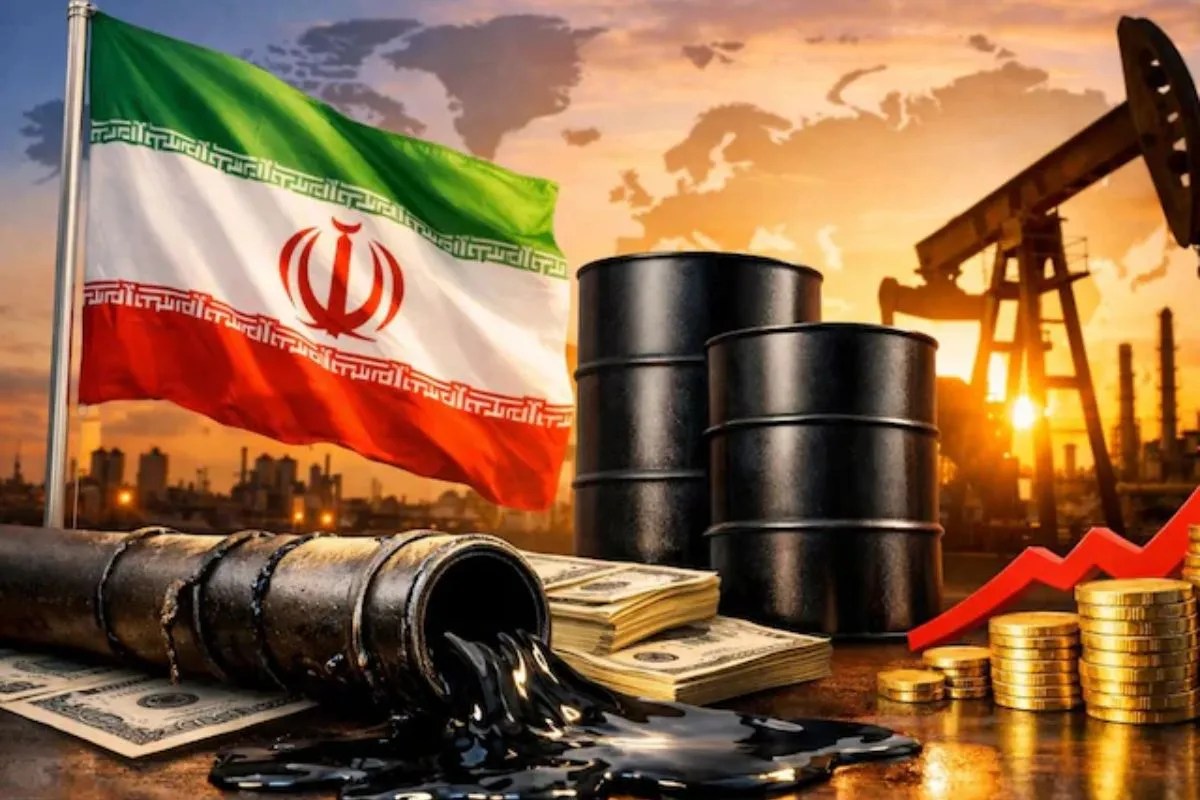
Oil markets are jittery again because Iran just threw a wrench into the global supply expectations. If you’ve been watching the ticker symbols or wondering why your local gas station hasn't dropped its prices despite talk of a global slowdown, this is why. Iran recently made it clear they aren't going to just "turn on the taps" to provide extra crude oil to the global market right now. This refusal sent a ripple of anxiety through trading floors from Singapore to London. It's not just a diplomatic snub. It's a calculated move that impacts every barrel of Brent or WTI traded today.
Energy security is a fragile thing. When a major producer like Iran says "no" to increasing production, the buffer between a stable market and a price spike disappears. Most analysts expected some level of flexibility as global demand fluctuates. Instead, we got a firm wall. This isn't just about Tehran wanting higher prices. It’s about a complex web of domestic constraints, aging infrastructure, and a very deliberate geopolitical strategy. They're holding their ground. You should care because this usually translates to higher costs at the pump and more expensive shipping for everything you buy online.
Why Iran says no to more oil production
The decision to deny requests for additional crude isn't a simple "we don't want to" situation. It's layered. First, let's look at the technical side. You can't just flip a switch and get more oil. Iran's oil fields are old. They've been under pressure—both literally and metaphorically—for decades. Maintenance requires specialized parts and foreign investment that haven't been flowing in due to long-standing sanctions. They're likely producing near their current sustainable capacity. Pushing the wells harder could actually damage the reservoirs permanently.
Then there's the OPEC+ factor. Iran often sits in a unique position within the alliance, sometimes exempt from quotas but always cognizant of the group's collective goal: price stability. If Iran flooded the market now, they'd risk devaluing their own primary export. Why sell more for less when you can sell a bit less for much more? It's basic math that any business owner understands. They aren't in the business of doing the West any favors, especially when their own economy needs every cent of profit it can squeeze out of each barrel.
The immediate reaction in global markets
The moment the news hit that extra Iranian crude wasn't coming, traders scrambled. Oil prices don't just move on supply; they move on the expectation of supply. The "harkat" or commotion in the global market isn't just noise. It’s a recalculation of risk.
- Price Volatility: We saw an immediate uptick in futures contracts. When the market realizes a "relief valve" isn't opening, the price floor moves up.
- Speculative Buying: Hedge funds and institutional investors see a supply squeeze and start buying up long positions. This creates a self-fulfilling prophecy where prices rise simply because people fear they will.
- Supply Chain Anxiety: Logistics companies that lock in fuel prices months in advance are now looking at their bottom lines with a bit of sweat on their brows.
Honestly, the market was already on edge. With tensions in the Middle East generally at a simmer, any news of "less oil" acts like a match in a dry forest. Iran knows this. Their silence or refusal is a form of soft power. They don't need to fire a shot to exert influence over the global economy. They just need to keep their oil in the ground.
Geopolitical chess and the energy squeeze
You have to see this through the lens of 2026 geopolitics. We aren't in a world where energy is just a commodity anymore. It's a weapon. By refusing to provide extra oil, Iran maintains leverage in ongoing international negotiations. They're showing that they are essential to the global energy mix. If the world wants their oil, the world has to play by certain rules or offer certain concessions.
It's also about Russia and China. Iran has been strengthening its energy ties with Beijing, often selling oil through "dark fleet" tankers that don't show up on official tracking software. If they're already maxing out their "unofficial" channels to keep China’s economy humming, they simply don't have the surplus to offer to the open, transparent global market. They've picked their side. The "global market" in this context often refers to the Western-regulated exchanges, and Iran seems perfectly happy letting those prices climb while they fulfill private contracts elsewhere.
What this means for your wallet
Let's get practical. When Iran says no to more oil, the following chain reaction is almost certain. Refineries pay more for crude. They pass that cost to the distributors. The distributors pass it to the gas station. You pay $0.20 more per gallon. But it's deeper than just gas.
Think about jet fuel. Airlines are notoriously sensitive to oil prices. A 5% jump in crude can lead to a 10% jump in ticket prices as they add "fuel saturates" to the cost. Think about plastics. Almost everything you touch is a petroleum product. When crude stays high, the cost of manufacturing a toothbrush or a car bumper goes up. We're talking about a slow-motion inflationary pressure that hits everyone, regardless of whether you drive an EV or a gas-guzzler.
The myth of the quick fix
I often hear people say that the US or Saudi Arabia should just "produce more" to offset Iran. It doesn't work that way. Saudi Arabia has its own targets. The US shale industry is focused on "capital discipline"—which is corporate-speak for "giving money to shareholders instead of drilling new holes."
No one is coming to save the market from this supply tightness. Iran's refusal effectively removes a potential "emergency exit" for the energy crisis. We are looking at a period where supply and demand are balanced on a knife's edge. Any small disruption—a pipeline leak in Libya, a storm in the Gulf of Mexico, or a refinery fire in Europe—will now have a magnified effect on prices because there's no Iranian surplus to cushion the blow.
How to navigate this energy uncertainty
Don't wait for prices to drop significantly anytime soon. The Iranian stance suggests that the era of "cheap and easy" oil is firmly in the rearview mirror. If you're a business owner, it's time to look at your logistics. Can you consolidate shipments? If you're a consumer, maybe that road trip needs a more fuel-efficient route or a more conservative driving style.
Watch the headlines for any shift in Iranian domestic policy or updates on their aging infrastructure. If they suddenly announce a major deal with a foreign tech firm to "modernize" their fields, that's your signal that supply might increase in two or three years. Until then, the "no" from Tehran is the reality we live in. They've made their move. The rest of the world now has to figure out how to live with less Iranian crude than they hoped for. The market will stay volatile, and the "haddock" or panic will likely return every time a new demand forecast is released. Stay informed, but more importantly, stay prepared for higher energy costs through the rest of the year.