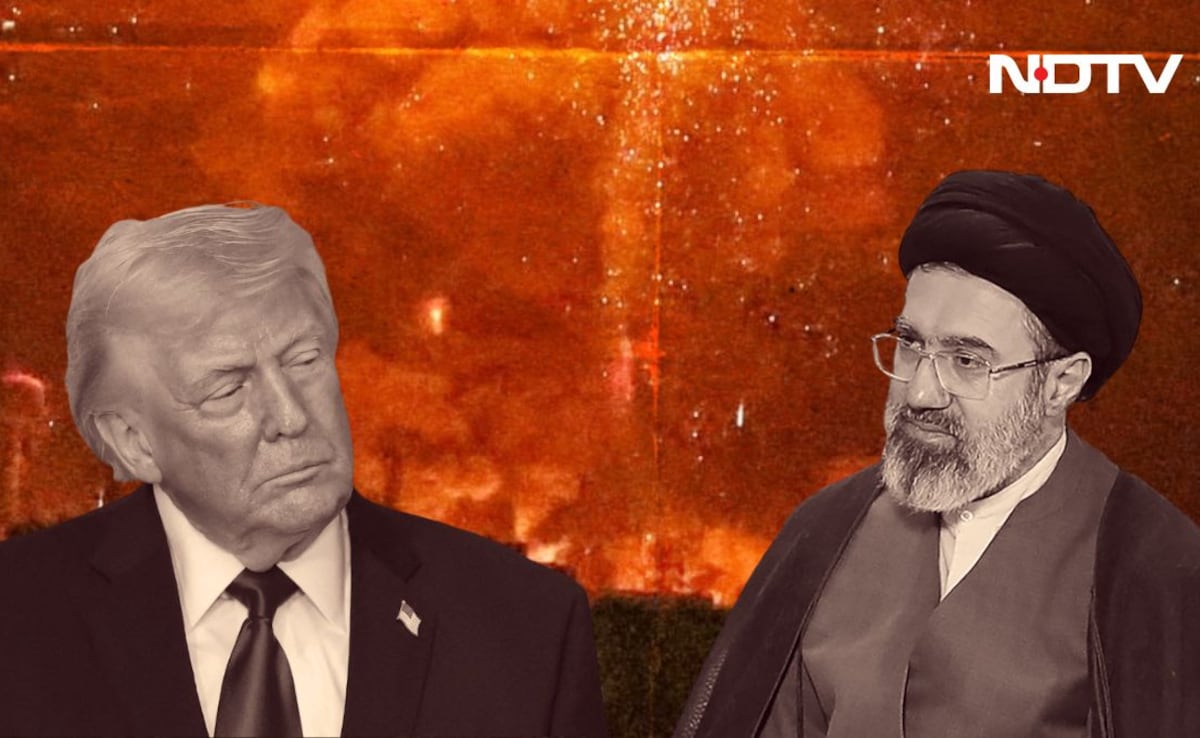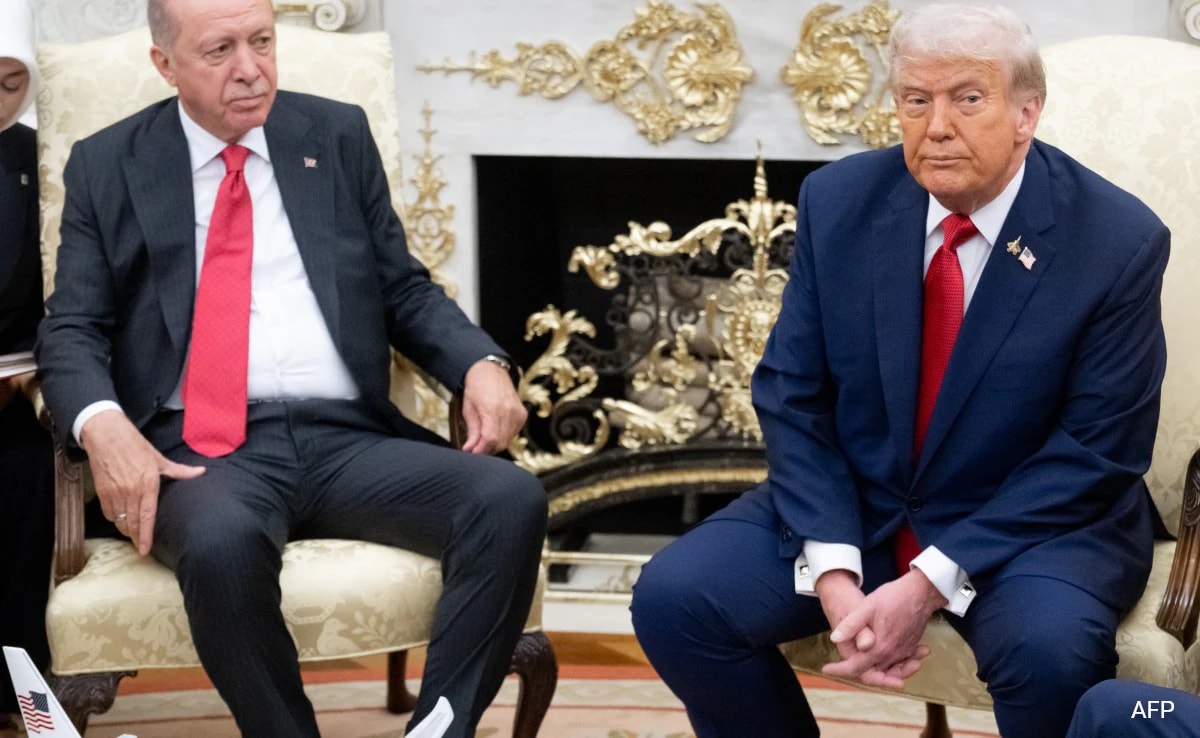
The 15-point plan leaked this week wasn't a peace treaty. It was an obituary for the old regional order, and Tehran just threw it back in Washington’s face. While President Trump tells reporters at the White House that he’s talking to "the right people" and that a deal is close, the reality on the ground is a mess of drone strikes and defiant rhetoric.
If you're looking for a sign that the U.S. strategy in the Middle East is hitting a wall, this is it. Iran didn't just say no; they mocked the very idea that the U.S. is in a position to negotiate. Lieutenant Colonel Ebrahim Zolfaghari, a spokesperson for Iran’s military headquarters, essentially told the U.S. to stop "negotiating with yourselves."
It’s a bold move for a country currently under heavy bombardment. But it reveals a fundamental disconnect between what the Trump administration thinks it can win at the table and what Iran is willing to lose on the battlefield.
The 15 points that Iran hates
The details of the U.S. proposal, delivered via Pakistani intermediaries, read like a wish list for total Iranian capitulation. It isn't just about pausing the current war that kicked off on February 28. It’s about dismantling the entire foundation of the Islamic Republic's security doctrine.
The nuclear and missile pill
The plan demands the decommissioning and destruction of the Natanz, Isfahan, and Fordow nuclear sites. It requires Iran to hand over all its enriched material to the IAEA. More importantly, it calls for "limits" on the range and quantity of Iran's ballistic missiles—the only thing Tehran believes keeps its neighbors from invading.
The regional retreat
Washington wants Iran to stop funding and arming its "Axis of Resistance." This means cutting ties with what's left of Hezbollah and the Houthis. From Tehran’s perspective, asking them to give up their proxies is like asking a person to cut off their own arms before a fistfight.
The Strait of Hormuz
A massive sticking point is the Strait of Hormuz. The U.S. wants it declared a free maritime zone that "no one will block." Currently, the de facto closure of this waterway has sent global energy prices into a tailspin. Iran knows this is their only real leverage. If they give up control of the Strait, they lose their ability to make the rest of the world feel their pain.
Why the U.S. is losing the optics war
Trump’s approval rating has hit a record low of 36% this month. Fuel prices are soaring, and according to recent polls, 59% of Americans think this war has gone way too far. When the domestic audience starts turning, the "maximum pressure" campaign loses its teeth.
Iran sees this. They’re betting that the U.S. doesn't have the stomach for a protracted ground war or a multi-year blockade. By rejecting the 15-point plan, Tehran is signaling that they’d rather endure the strikes than accept a deal that leaves them completely defenseless.
It’s a classic case of asymmetric leverage. The U.S. has more bombs, but Iran has more patience—and a higher tolerance for chaos.
The "Negotiating with Yourself" problem
There's a weird ghost-hunting vibe to these talks. Trump mentions he’s talking to a "top person" in Iran, but everyone from the Iranian Foreign Ministry to the Parliament Speaker, Mohammad Bagher Qalibaf, is publicly denying it.
This suggests one of two things. Either the U.S. is talking to a faction that has zero actual power to move the needle, or they're being "catfished" by intermediaries who want to keep the hope of a deal alive to prevent further escalation. Either way, it makes the U.S. look desperate for an exit ramp that isn't there.
Iran's counter-offer is a reality check
Tehran didn't just say no; they came back with their own five demands. It’s a list that Washington will likely find just as "maximalist" as Iran found the 15-point plan.
- Stop the assassinations. Tehran wants a complete halt to the targeted killing of its leadership, a move that became a priority after the death of Ali Khamenei at the start of the conflict.
- Pay for the damage. They’re demanding war reparations.
- End the proxy war. Not just a ceasefire in Iran, but an end to U.S. and Israeli strikes against their allies in Lebanon and Iraq.
- Sovereignty over the Strait. They want international recognition of their right to control the waterway.
- Guarantees. They want a mechanism that ensures the U.S. won't just tear up the deal in two years.
Honestly, neither side is even in the same ballpark. The 15-point plan assumes Iran is a defeated nation ready to sign an instrument of surrender. Iran’s 5-point plan assumes they’ve already won by surviving the initial onslaught.
What happens when diplomacy fails
The Pentagon isn't waiting around for a "yes" that isn't coming. They're moving 5,000 more Marines and units from the 82nd Airborne Division into the region. There are reports that the administration is weighing an invasion of Kharg Island—which handles about 90% of Iran's crude exports—to force the Strait open.
This is the dangerous pivot point. If the 15-point plan was the "carrot," the sticks are getting much heavier. But as we've seen over the last month, hitting Iran's infrastructure hasn't stopped the missile launches. It’s only broadened the target list to include Gulf Arab states and global shipping.
The rejection of this plan isn't just a diplomatic hiccup. It's a clear indication that the "shock and awe" of the February 28 strikes didn't produce the political collapse Washington expected. Instead, it’s hardened the resolve of the radical core now leading Tehran.
If you’re watching the markets, keep an eye on oil futures. As long as the Strait remains a contested zone and the 15-point plan sits in a trash can in Tehran, energy prices aren't coming down. The U.S. may have the military upper hand, but in the war of attrition and geopolitical signaling, the "no" from Tehran shows they aren't ready to break.
Prepare for a long summer of "maximum pressure" meeting "maximum resistance." Watch the movement of the 82nd Airborne; their deployment usually signals a shift from containment to direct seizure of assets. That's the next logical step if the White House decides that talking to "the right people" isn't working.