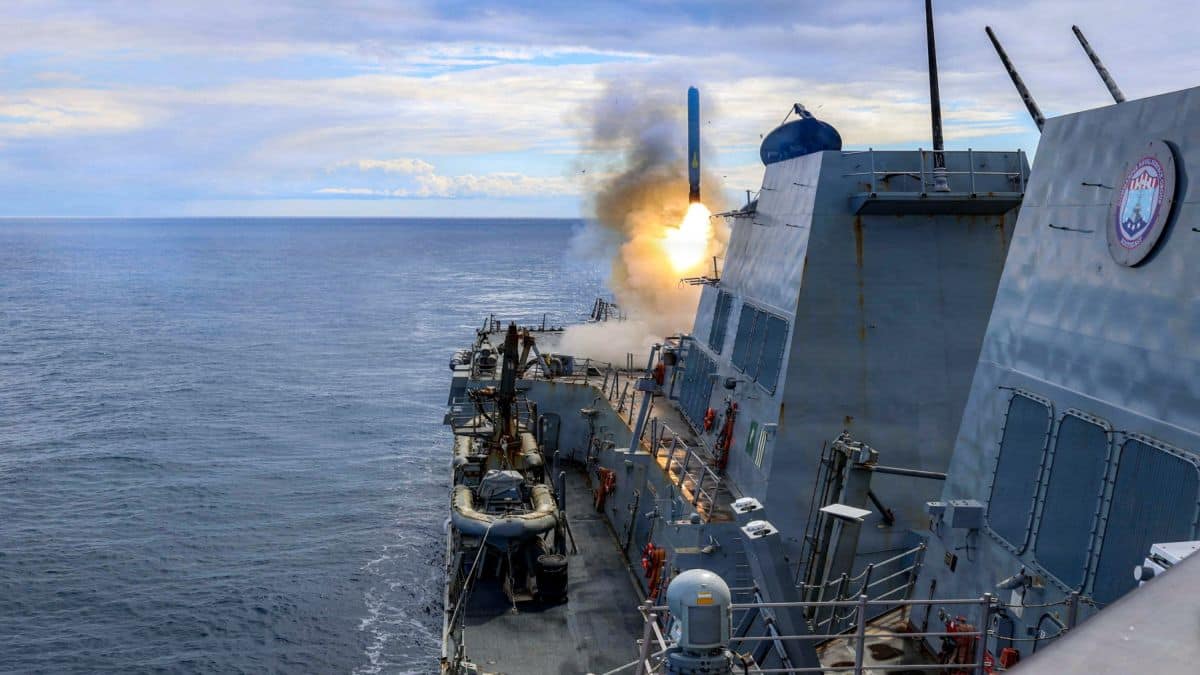
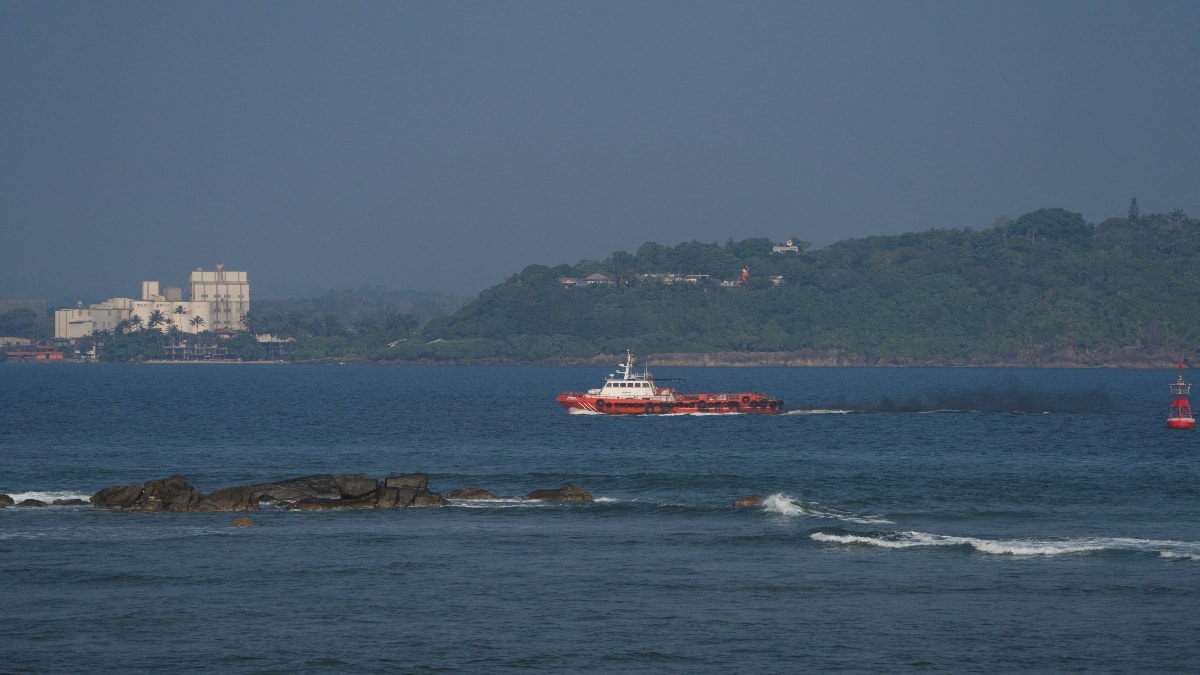
The map of the Middle East isn't just a collection of borders anymore. It's a circuit board. When a spark flies in Tehran or Tel Aviv, the lights flicker in Baghdad, Beirut, and even the shipping lanes of the Red Sea. You can't look at the Iran conflict as a localized spat between two nations. That's a mistake that gets people caught off guard. This is a regional earthquake with aftershocks hitting global oil prices and international security alliances.
If you're trying to understand why a drone strike in a Syrian desert matters to a consumer in London or a policymaker in Washington, you have to look at the proxy networks. Iran doesn't usually fight its own battles with its own uniform. It uses a "forward defense" strategy. This means pushing the battlefield away from Iranian soil and onto everyone else's.
The Proxy Web and the End of Traditional Warfare
State-on-state war is expensive and messy. Iran knows this. Instead of a head-on collision, they’ve spent decades building what they call the "Axis of Resistance." This isn't just a loose fan club. It’s a sophisticated, interconnected military architecture.
Take Hezbollah in Lebanon. They aren't just a militia; they're a medium-sized army with an arsenal of rockets that can reach any corner of Israel. When tensions rise between Iran and the West, Hezbollah starts posturing. It forces the world to pay attention.
Then you have the Houthis in Yemen. A few years ago, most people couldn't find Sana'a on a map. Now, the Houthis can effectively shut down the Bab el-Mandeb Strait. By attacking commercial ships, they’ve turned a regional conflict into a global supply chain nightmare. If a ship carrying components for your next smartphone has to reroute around the Cape of Good Hope, you're paying for the Iran war.
Iraq is the Tragic Middle Ground
Iraq should be a wealthy, stable oil giant. Instead, it’s the primary playground for this shadow war. It’s a messy reality. You have the Iraqi government trying to maintain a relationship with the U.S. while Iranian-backed militias operate within the state's own security apparatus.
These militias, known collectively as the Popular Mobilization Forces (PMF), often take orders from Tehran rather than Baghdad. When the U.S. and Iran want to send each other messages, they often do it with rockets and drones on Iraqi soil. This leaves the Iraqi people caught in an endless cycle of "message sending." It’s destabilizing. It stunts investment. It keeps a generation of Iraqis looking for the exit.
The Red Sea Becomes a Chokepoint
The ripple effect reached a breaking point with the maritime attacks. The Red Sea is the artery of global trade. About 12% of global trade passes through there. When the Houthis—backed by Iranian tech and intelligence—started hitting tankers, the insurance rates spiked.
Logistics giants like Maersk and Hapag-Lloyd didn't wait around. They moved. This shifted the "Iran war" from a Middle Eastern geopolitical issue to a global economic one. It’s a stark reminder that geography doesn't protect you from 21st-century asymmetric warfare. You don't need a navy to challenge a superpower; you just need enough cheap drones and a strategic coastline.
The Nuclear Shadow and the Arms Race
The elephant in the room is always the nuclear program. Every time a proxy attack happens, the underlying fear is escalation. If Iran crosses the threshold to a nuclear weapon, the regional "Cold War" turns white-hot.
Saudi Arabia has already signaled that if Iran goes nuclear, they might feel forced to follow suit. This would trigger a nuclear arms race in the most volatile part of the world. Even without the bombs, the tension drives massive defense spending. Billions of dollars that could go into diversifying economies or fixing infrastructure are instead poured into missile defense systems like the Iron Dome or the Patriot batteries.
How This Hits Your Daily Life
It’s easy to tune out news from a distance. But the "ricochet" effect is real.
- Energy Costs: Even the rumor of a closed Strait of Hormuz sends oil speculators into a frenzy. You see it at the pump within a week.
- Cyber Warfare: The conflict isn't just kinetic. It’s digital. We've seen Iranian-linked groups target infrastructure in the U.S. and Europe, from water treatment plants to hospital systems.
- Migration Crises: War creates refugees. Displacement in Syria, Yemen, and Iraq eventually puts pressure on European borders, shifting the political center of gravity in countries thousands of miles away.
The Shifting Alliances
Old enemies are becoming weirdly close because of this. The Abraham Accords showed that some Arab states are more worried about Iran than they are about their historical grievances with Israel. This is a massive realignment.
You’re seeing a "Middle East NATO" of sorts forming in the shadows. Intelligence sharing between countries that didn't even recognize each other's existence ten years ago is now common. They're united by a single, terrifying prospect: a regional war that no one is equipped to win.
The old rules of diplomacy are failing here. Sanctions haven't stopped the drone shipments. Diplomacy hasn't slowed the enrichment of uranium. We're in a period of "managed instability" where the goal isn't peace—it's just preventing total collapse.
If you want to track where this goes next, stop looking at official statements from foreign ministries. Watch the shipping lanes. Watch the drone activity in Eastern Syria. Watch the rhetoric in the Iraqi parliament. That’s where the real war is being fought, one "ricochet" at a time. To stay ahead of the curve, monitor the daily reports from the Institute for the Study of War (ISW) or the maritime alerts from the UKMTO. These provide the ground-level data that the big headlines usually miss until it’s too late.