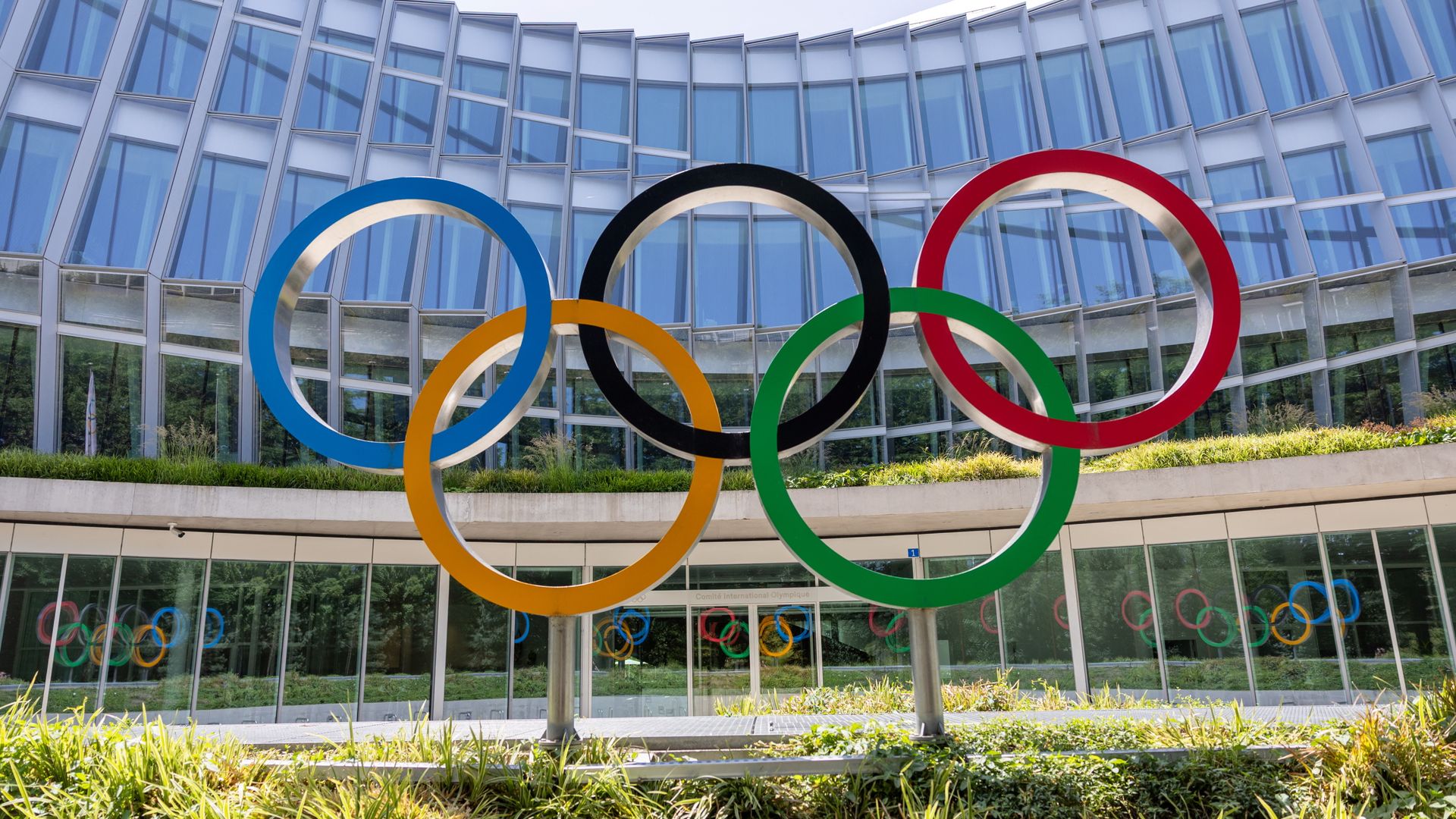
The Olympic dream just hit a brick wall for transgender women aiming for Los Angeles 2028. It’s not a suggestion or a set of hurdles to jump. It is a hard stop. The International Olympic Committee (IOC) recently shifted the ground beneath the feet of every athlete, sport governing body, and fan by finalizing a policy that effectively bars transgender women from competing in the female category at the next Summer Games.
If you thought the debate was over, you’re wrong. It’s actually just getting started, but the rules for the playground have changed forever.
For years, the IOC tried to play the middle ground. They wanted inclusion. They wanted fairness. They tried to balance those two competing ideas with testosterone limits and transition timelines. That era is dead. The new framework prioritizes "biological integrity" over the previous "inclusion-first" model. This means that for the 2028 LA Olympics, the eligibility criteria aren't just about current hormone levels. They're about when an athlete went through puberty.
Why the 2028 LA Olympics will look different
The shift didn't happen in a vacuum. World Athletics, World Aquatics, and the International Cycling Union (UCI) already set the stage by tightening their own rules. The IOC effectively looked at the data and decided to follow the lead of these major federations. They've moved away from a centralized "one size fits all" policy and gave the green light for strict bans if a federation deems it necessary to protect the female category.
In Los Angeles, this means you won't see athletes like Lia Thomas or any other transgender woman who transitioned after male puberty. The IOC’s updated position acknowledges a reality many scientists have argued for years: suppressive hormone therapy doesn't fully reverse the physical advantages gained during male skeletal and muscular development.
It’s a cold reality for inclusive sports advocates. They argue this move violates human rights and the spirit of the Olympic Charter. On the flip side, many female Olympians are breathing a sigh of relief. They’ve been vocal about the "unfairness" of competing against individuals who possess a biological blueprint forged by testosterone.
The science that changed the game
What actually convinced the IOC? It wasn't just political pressure. It was the mounting pile of peer-reviewed studies. Research from institutions like the Karolinska Institute in Sweden showed that even after two years of testosterone suppression, trans women retained significant advantages in muscle mass and lung capacity compared to biological females.
Basically, the "hormone ceiling" wasn't working.
The 10 nmol/L testosterone limit used in previous years was always a bit of a joke in the medical community. Natural female testosterone levels usually sit below 2 nmol/L. By allowing a limit five times higher, the IOC was essentially permitting a massive physiological gap. The 2028 policy slams that door shut. If you went through male puberty, you're out of the female category. Period.
How individual sports are reacting
Don't expect every sport to have the exact same look, even though the ban is widespread. The IOC gives federations "autonomy," but with a very clear wink and a nod toward protectionism.
- Swimming and Track: These are the heavy hitters. They’ve already implemented "male puberty" bans. Since these are the crown jewels of the Summer Games, their stance dictates the vibe of the entire event.
- Combat Sports: Boxing and wrestling are under intense scrutiny. The safety element here adds a layer of legal protection for the ban. It’s one thing to lose a race; it’s another thing to suffer a brain injury against a more powerful opponent.
- Team Sports: Soccer and basketball are still navigating the PR minefield, but the 2028 mandate pushes them toward the same restrictive finish line.
The legal battles are already heating up. Expect a flurry of lawsuits filed in the Court of Arbitration for Sport (CAS). But here’s the kicker: CAS has historically sided with sports federations when they can prove a biological necessity for "protected categories."
The human cost of the policy
It’s easy to talk about "categories" and "biological blueprints." It’s harder to look at the athletes who have spent their lives training for a moment that’s now legally impossible. For trans athletes, the 2028 LA Olympics represented a chance to be seen on the world stage. Now, they're relegated to an "Open Category" that doesn't really exist in a meaningful way yet.
World Aquatics tried to launch an open category in 2023. Nobody signed up.
If there's no one to compete against, the category is a ghost town. This is the quiet part of the new policy: by "creating" an open category, the IOC can claim they aren't banning anyone. They're just moving them. But if that category has no funding, no broadcast time, and no competitors, it’s a ban in everything but name.
What this means for the future of the Olympic movement
The 2028 Games will be a litmus test for the IOC's brand. They are betting that the public prefers "fairness" (defined as biological sex-segregation) over "radical inclusion."
If you’re an athlete or a coach, the path forward is narrow. The focus has shifted entirely to the timing of medical intervention. For the next generation, this creates a massive pressure cooker around youth transition—a topic that is even more politically charged than Olympic sports.
Critics say the IOC is effectively demanding that trans girls transition before puberty if they ever want to be Olympians. But in many countries and US states, that’s now illegal or restricted. It’s a classic Catch-22. You can't compete if you transition late, and you can't transition early because of the law.
Moving forward in a divided landscape
The 2028 LA Olympics will be remembered for this decision. It marks the end of the "Hormone Era" and the beginning of the "Puberty Era."
If you are a sport administrator or an athlete, don't wait for a miracle reversal. The legal and scientific momentum is firmly on the side of the new restrictive policies. Focus on understanding the specific bylaws of your international federation. They are the ones who will ultimately hold the clipboard at the registration desk in Los Angeles.
Check the specific eligibility dates. Most federations are setting a cutoff at age 12 or the onset of Tanner Stage 2 puberty. If you fall outside that, your Olympic path in the female category is closed. Start looking into the development of "Open" divisions now if you want any chance of competing in a sanctioned environment. The landscape is harsh, but it's finally clear. Knowing exactly where the line is drawn is the only way to navigate what comes next.